Phuket vs Bali, Koh Samui, and Pattaya: Where to Invest

Phuket, Bali, Koh Samui and Pattaya each offer distinct property investment profiles shaped by tourism, infrastructure, ownership rules and lifestyle demand. Phuket is positioned as the most mature and stable market, Bali offers higher short-term rental potential with more legal complexity, Koh Samui suits lower-density luxury buyers, and Pattaya provides affordability with infrastructure-led upside.
- Phuket offers mature infrastructure, strong foreign demand and reported prime rental yields of around 6–8% annually.
- Bali can exceed 10% short-term rental yields in popular areas, but foreign ownership structures require careful handling.
- Koh Samui favours buyers seeking exclusivity, limited supply and longer-term appreciation over fast liquidity.
- Pattaya has lower entry prices and benefits from Bangkok proximity, U-Tapao upgrades and Eastern Economic Corridor growth.
- Lifestyle demand from retirees, families, digital nomads and long-stay visitors supports rental resilience beyond pure tourism.
Southeast Asia’s tropical destinations have long captured the imagination of travelers and investors alike. In recent years, places like Phuket, Bali, Koh Samui, and Pattaya have evolved from pure vacation spots into thriving real estate markets. Each destination offers a unique blend of natural beauty, lifestyle, and investment opportunity, but determining where to put your money requires an understanding of both market trends and local dynamics. This article explores the strengths, challenges, and investment potential of these four market leaders in regional property development.
Comparing Phuket, Bali, Koh Samui, and Pattaya Markets
Phuket, Thailand’s largest island, is known for its upscale resorts, modern infrastructure, and robust foreign buyer interest. Investors are drawn to the island’s mix of luxury beachfront villas, condominiums, and branded residences, all supported by strong tourism flows and government-backed infrastructure projects. Despite higher entry costs compared to other Thai destinations, Phuket remains one of the most established and stable property markets in Southeast Asia.
Bali, Indonesia’s most famous island, enjoys global recognition for its cultural charm, tropical beauty, and thriving tourism ecosystem. Its property market varies widely by region—from high-end developments in Seminyak and Canggu to emerging opportunities in Uluwatu and north Bali. However, foreign ownership regulations can be more restrictive compared to Thailand, adding a layer of complexity for international investors.
Koh Samui offers a more boutique investment landscape. Smaller and more exclusive than Phuket, it appeals to those seeking serenity and limited development. The island’s compact size ensures that most properties enjoy sea views or easy beachfront access. Though its market is younger, Samui’s potential lies in sustainable and luxury resort-style developments that cater to discerning travelers and long-term holidaymakers.
Pattaya, close to Bangkok and with strong tourism and commerce ties, presents a different picture. It attracts investors looking for affordable condominiums, steady rental income, and quick returns. Redevelopment efforts and infrastructure upgrades are reshaping the city’s image from a party town to a more family-friendly and business-oriented urban coastal hub.
Comparing all four, Phuket and Bali stand out for premium markets and international branding. Koh Samui attracts niche, high-end buyers, while Pattaya offers more accessible entry points for volume-driven investors. Each caters to distinct profiles—from yield-focused investors to those seeking appreciation and long-term lifestyle value.
Ultimately, the best choice depends on individual goals: Phuket and Bali for prestige and stability, Samui for exclusivity, and Pattaya for liquidity and affordability. Understanding these nuances ensures a more targeted approach to investment decision-making.
Real Estate Growth Trends Across Southeast Asia
The last two decades have seen remarkable expansion in Southeast Asia’s real estate markets, driven by tourism, economic growth, and increased foreign participation. Phuket and Bali lead in long-term appreciation, with coastal land values surging as prime plots become scarce. Demand for branded residences and villa developments continues to rise, signaling confidence among global buyers.
Thailand’s broader property market benefits from strong domestic demand and transparent legal frameworks that encourage international participation. Phuket’s consistent infrastructure investment has supported stable price growth over time. Similarly, Pattaya’s condominium sector continues to grow, though its supply-driven nature means investors must carefully select high-quality developments.
Indonesia’s market—particularly Bali—has enjoyed robust foreign interest, but fluctuating regulations occasionally affect investor sentiment. Nonetheless, rising tourism numbers and an expanding expatriate community support continued demand for luxury and boutique properties. Investors who understand local partnerships and ownership structures often find long-term opportunities despite initial barriers.
Koh Samui’s market is characterized by selective growth. Limited land availability coupled with strict environmental regulations restrains oversupply, helping maintain prices. Developers focus on eco-friendly projects and upscale villas targeted at European and Asian buyers seeking exclusivity rather than volume.
Region-wide, growth trends suggest increasing interest in sustainable and lifestyle-driven investments. The pandemic tested market resilience, but border reopenings and revived travel have reaffirmed the fundamental appeal of these leisure destinations. The outlook remains positive, particularly for markets aligned with eco-tourism and digital nomad demand.
Taken together, these trends reveal that mature markets like Phuket and Bali offer stability, while smaller destinations like Koh Samui and Pattaya present selective, higher-yield opportunities for investors willing to navigate early-stage development cycles.
Tourism Demand and Its Impact on Property Values
Tourism remains the lifeblood of these coastal economies. In Phuket, international arrivals are rebounding strongly, with renewed interest from Russia, China, and Europe. Seasonal demand for short-term rentals keeps occupancy rates high, while luxury beachfront properties continue to command premium prices.
Bali’s tourism revival has been even more pronounced, fueled by the island’s enduring appeal to creatives, digital nomads, and wellness travelers. Short-term rental yields in key areas like Canggu and Ubud rank among the highest in the region. Investors benefit from year-round tourism, cultural depth, and a strong hospitality network that supports the villa rental ecosystem.
Koh Samui remains reliant on tourism but benefits from its niche positioning. Its smaller scale ensures exclusivity, which in turn allows properties to retain value even during market downturns. Upscale resorts and villas attract long-stay visitors seeking tranquility rather than mass tourism, giving rise to stable, medium- to long-term rental contracts.
Pattaya’s tourism base is broader, attracting domestic travelers, business visitors, and leisure groups. The city’s proximity to Bangkok ensures consistent rental demand—even when international arrivals dip. Condominium projects near key attractions and conference venues see steady occupancy, translating into reliable, if modest, returns.
Tourism’s impact on property values is both direct and indirect: strong arrivals boost rental returns and resale potential, while infrastructure improvements from tourism investment enhance overall livability. However, markets overdependent on tourism must diversify to remain resilient during global disruptions.
Ultimately, destinations that balance tourism with residential appeal—such as Phuket and Bali—tend to show more consistent property value growth. Investors should assess how each market attracts not only short-term visitors but also long-term expatriates and retirees.
Infrastructure and Development Driving Investments
Infrastructure plays a pivotal role in sustaining property market growth. Phuket has benefited from upgrades to its international airport, expanded road networks, and planned marina developments. Government-backed efforts to make Phuket a “Smart City” further enhance its appeal, supporting both tourism and business investment.
In Bali, infrastructure has long been a concern, with traffic congestion and limited transport options hindering development outside central areas. However, ongoing projects, including the Gilimanuk-Mengwi Toll Road and potential new airport plans, aim to improve accessibility and open emerging investment corridors in north and west Bali.
Koh Samui’s compact size and limited public infrastructure have historically restricted mass development, but this has helped preserve its charm. Boutique luxury developments are supported by gradual improvements to utilities and connectivity. Investors view the island’s exclusivity as both a strength and a safeguard against overdevelopment.
Pattaya, in contrast, stands out for its extensive connectivity. The Eastern Economic Corridor (EEC) project and improvements to U-Tapao Airport demonstrate Thailand’s commitment to transforming the region into a logistics and investment hub. These infrastructure moves have revived investor attention, positioning Pattaya as more than a beach destination—it’s now part of Thailand’s modern business landscape.
Comparatively, Phuket and Pattaya boast the most advanced infrastructure ecosystems, while Bali and Koh Samui rely on niche appeal and selective upgrades to enhance long-term value. However, as governments across the region continue to prioritize tourism and economic development, improved connectivity will benefit all four destinations.
Investors should monitor infrastructure developments closely, as accessibility, utilities, and transportation capabilities often dictate rental yields, land appreciation, and overall return potential. Markets with steady public and private-sector collaboration tend to yield better long-term investment outcomes.
Lifestyle Appeal and Long-Term Rental Potential
Lifestyle is a major driver behind real estate investment decisions in these destinations. Phuket strikes a strong balance between vibrant nightlife, international schools, modern healthcare, and year-round livability. Its cosmopolitan atmosphere attracts retirees, entrepreneurs, and families looking for tropical comfort with urban conveniences.
Bali’s magnetic pull lies in its spirituality, creative culture, and diversity of living environments—from rice fields and jungles to beachside communities. It remains a favorite among digital nomads and investors seeking properties with character. Long-term rentals thrive on the island’s lifestyle appeal rather than just its tourism flow.
Koh Samui, though quieter, draws those seeking exclusivity, seclusion, and premium serenity. Upscale villas often serve as both private retreats and long-term rental properties for expatriates or extended-stay visitors. This dual-purpose model enhances yield potential while maintaining property integrity.
Pattaya, once known primarily for entertainment tourism, has undergone a transformation into a more refined urban coastal destination. International schools, shopping centers, and corporate developments now support a growing community of long-term residents. Affordable condominium units cater to both Thai and foreign tenants, ensuring consistent occupancy.
Lifestyle factors increasingly influence investment longevity. Investors no longer focus solely on returns; they value environments suitable for work-life balance, recreation, and wellness. This trend makes markets like Phuket and Bali particularly resilient to economic fluctuations, as demand stems from quality-of-life seekers, not just tourists.
Over the next decade, lifestyle-driven rental demand is expected to solidify as remote work and flexible living arrangements grow. Destinations with strong cultural identity and healthy infrastructure, such as Phuket and Bali, are likely to lead long-term rental growth in the region.
Which Destination Offers the Best ROI Today?
Determining which destination delivers the best return on investment (ROI) depends on individual preferences, risk tolerance, and investment strategy. Phuket currently stands out for its maturity, consistent demand, and legal transparency. Rental yields remain steady, averaging around 6–8% annually for prime villas and condos, with solid capital appreciation over time.
Bali offers exceptional short-term rental yields—sometimes exceeding 10% in popular areas—but requires investors to navigate Indonesia’s complex ownership laws. Those willing to work through local partnerships or leasehold structures often enjoy high returns, especially in the expanding mid-luxury segment.
Koh Samui appeals to investors seeking exclusivity and lower density. While liquidity can be slower than in Phuket or Pattaya, the limited supply of quality properties ensures sustainable price growth. It is well-suited to investors prioritizing long-term appreciation and boutique-style returns.
Pattaya provides one of the lowest entry barriers among the four, making it ideal for short- to medium-term investors. Returns may be more modest, but the combination of affordability, infrastructure proximity, and EEC-fueled growth prospects introduces a strong upside for early entrants.
Overall, Phuket combines safety and international recognition, Bali offers higher yield potential, Koh Samui delivers exclusivity, and Pattaya ensures accessibility. The best ROI ultimately aligns with how an investor balances short-term gains against long-term stability and personal usage potential.
In the contest between Phuket, Bali, Koh Samui, and Pattaya, there is no absolute winner—only opportunities tailored to different investor profiles. Phuket and Bali dominate for premium, globally recognized investments; Koh Samui offers serene exclusivity with controlled growth; and Pattaya presents an accessible urban alternative with solid infrastructure backing. Understanding these unique dynamics enables investors to match lifestyle aspirations with financial goals and identify where real opportunity thrives across Southeast Asia’s island markets.

Baan Banyan | Iconic Sea View Estate on Kamala Headland, Phuket


Ayara Villa | Sea View Luxury Villa in Surin, Phuket

Luxury Pool Villas in Pasak Soi 8, Cherng Talay (Bang Tao), Phuket

Luxury Pool Villas in Pasak Soi 8, Cherng Talay (Bang Tao), Phuket
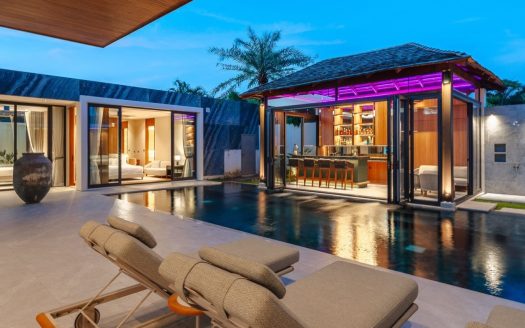
Final Two Luxury Pool Villas in Bang Tao | Ready to Move In
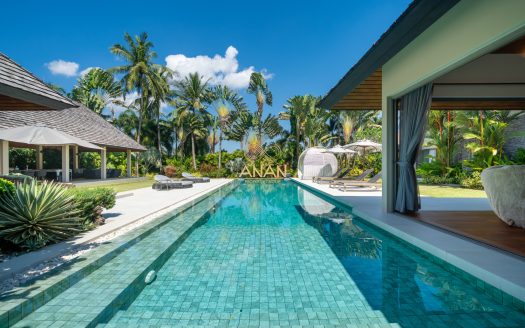
Ultra-Luxury 4-Bedroom Estate with Cinema & Gym near Layan Beach,...
Related reading