Phuket Pool Villa Inspection Checklist for Buyers

This checklist explains why Phuket pool villas require thorough pre-purchase inspection, covering legal documents, structural checks, pool condition, mechanical systems, and tropical climate hazards like termites, mould, and salt corrosion. It recommends engaging multiple specialists, including engineers, electricians, pool technicians, and lawyers, before signing any contract.
- Secure Chanote title, construction permit, occupancy certificate and tax clearance before physical inspection.
- Test pools with the bucket method over 24-48 hours to detect leaks before buying.
- Engage a structural engineer, electrician, pool technician, termite inspector and lawyer separately.
- Termite inspections cost THB 3,000-8,000 but offer high return by revealing hidden structural damage.
- Properties within one kilometre of the coast need specialist structural assessment for salt-related corrosion.
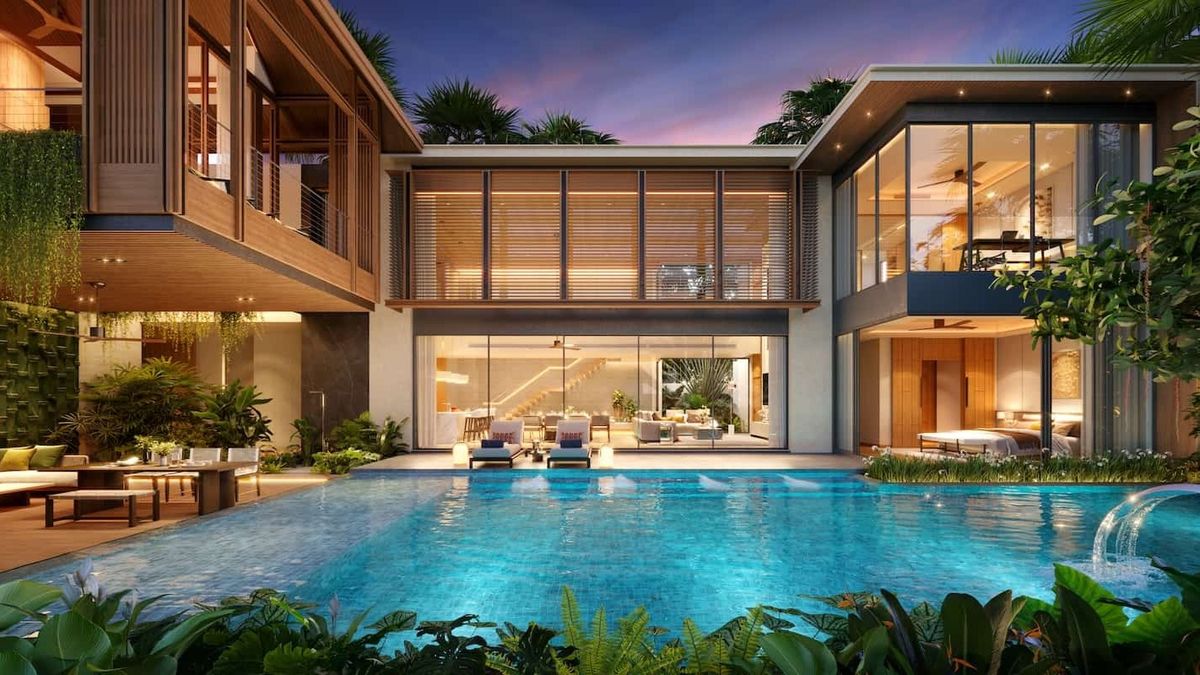
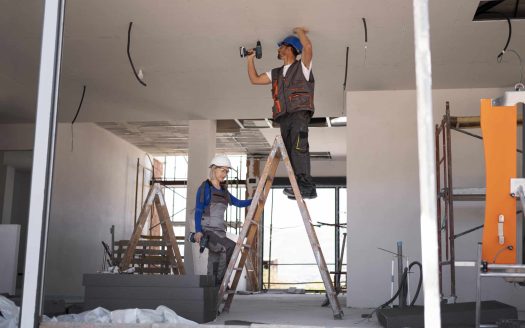
A pool villa in Phuket is a specific product with specific failure modes. The tropical climate accelerates wear in ways that buyers from temperate markets rarely anticipate. Concrete cracks, timber rots, air-conditioning systems corrode, pool shells delaminate, and electrical installations that looked fine in the dry season reveal serious water ingress when the monsoon arrives. None of this makes Phuket pool villas a poor investment. It does make a thorough pre-purchase inspection non-negotiable. This checklist is designed for buyers who are past the browsing stage and are seriously considering a specific property, covering what to look at, what documents to request, and what findings should give you pause.
Buyers who are still comparing areas and ownership structures will find the groundwork covered in our complete guide to buying a luxury villa in Phuket. This article picks up where that guide leaves off: at the point where you are standing in front of a specific property and need to know what to look for.
Why a Pool Villa Inspection Matters More in Phuket
Phuket’s climate imposes stresses that most construction in the West is not designed to handle. Average humidity runs above 80% year-round. Salt air reaches well inland from the coast. Heavy monsoon rain from May through October tests waterproofing, drainage, and roofing on a seasonal basis. Average temperatures stay above 27 degrees Celsius throughout the year, cycling air conditioning units around the clock for much of the time.
On top of those environmental factors, construction standards across Phuket’s villa market vary considerably. A premium branded development built under international supervision is a different product from a villa completed by a small local contractor a decade ago. Buyers cannot assume that a well-photographed property has been built or maintained to the standard its price suggests. An independent physical inspection, conducted before any binding contract is signed, is the only reliable way to establish what you are actually purchasing.
Before You Inspect: Secure the Documents First
The physical inspection of a pool villa is important. The legal document review is more important. A structurally sound building on a title with defects or without valid permits is a liability, not an asset. Request these documents from the seller or agent before scheduling any physical inspection:
- Chanote title deed (Nor Sor 4 Jor): This is the highest grade of land title in Thailand, with precise GPS coordinates registered at the Land Department. Anything below Chanote grade carries greater legal risk.
- Construction permit: Issued by the local authority before building began. Without it, the structure is technically unauthorised and may be subject to demolition orders or resale complications.
- Occupancy certificate: Confirms the building was completed in accordance with the permitted plans. Not all villas in Phuket have one; its absence is a meaningful red flag.
- Title search at the Land Department: Conducted by your lawyer, this confirms that no outstanding mortgage, lien, or encumbrance is registered against the title.
- Tax clearance: Confirms all land and property taxes are current. Outstanding tax liabilities transfer with ownership unless explicitly settled before transfer.
- Utility account status: Electricity and water accounts should be clear. Ask for copies of recent bills to verify the supply type (PEA or private), the connection is legal, and no arrears exist.
- Access road confirmation: The property must have documented legal access to a public road. A villa reached by a private road crossing a neighbour’s land without a registered right of way is exposed to access disputes.
This document list is the foundation of legal due diligence. For a full explanation of how ownership structures work for foreign buyers, including leasehold and company options, see our article on foreign ownership of villas and condos in Thailand.
Structural Checks for the Main Building
Structural issues in Phuket villas are often hidden behind fresh paint applied before a sale. A buyer who is relying on visual inspection alone will frequently miss what matters. Engage an independent structural engineer or qualified building surveyor for this section. The cost is typically THB 15,000 to THB 40,000, a fraction of what undiscovered defects can cost to remedy.
| Area | What to Check | Why It Matters in Phuket |
| Foundation and ground floor slab | Cracks wider than 2mm, differential settlement, moisture penetration | Hillside villas can suffer slope movement during heavy rain seasons |
| Exterior walls | Hairline cracks, efflorescence (white salt staining), hollow sections when tapped | Moisture cycling in tropical heat expands and contracts concrete repeatedly |
| Roof structure and covering | Sagging, missing, or cracked tiles, failed sealant around penetrations | Monsoon rain is heavy, and roof failures often occur at flashings and joints |
| Interior ceilings | Water staining, discolouration, soft or bowing sections | Staining below a bathroom or pool deck indicates active or previous water ingress |
| Timber elements | Darkening, softness, surface pitting, insect exit holes | Termite damage in Phuket can be severe and often progresses unseen inside structural timber |
| Windows and doors | Corrosion on frames, failed rubber seals, gaps at junctions | Ocean salt air accelerates aluminium and steel corrosion; failed seals allow moisture infiltration |
| Drainage around the building | Water pooling adjacent to foundations, blocked or absent perimeter drains | Inadequate drainage allows standing water against the structure during the monsoon |
Pool Inspection: The Section Most Buyers Miss
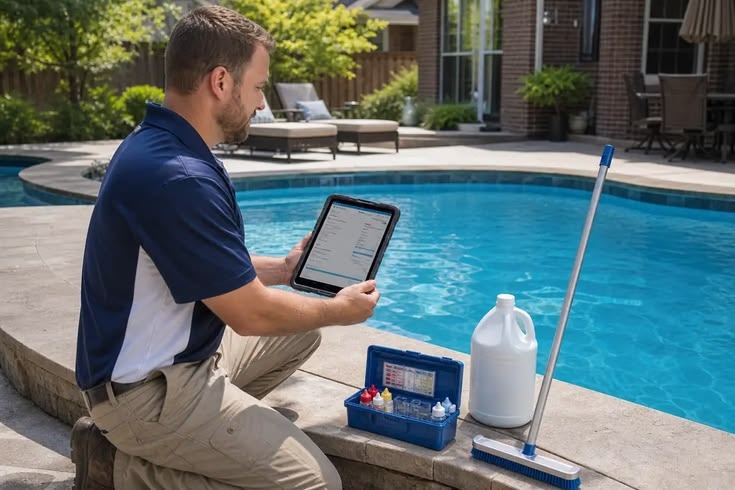
The swimming pool is often the most expensive single element of a pool villa. Resurfacing a pool shell costs THB 80,000 to THB 200,000 or more, depending on size and finish. Replacing filtration and pump systems adds THB 30,000 to THB 80,000. Structural repairs to a cracked or leaking shell can reach six figures. Buyers routinely inspect the house in detail and glance at the pool. Reverse that priority.
Pool Shell and Waterproofing
Inspect the pool shell methodically from the waterline down. Look for hairline cracks in plaster or grout, discolouration indicating sustained moisture absorption, pitting or delamination of the surface finish, and any visible cracks at the junction between the pool shell and the pool deck. Perform the bucket test: fill a bucket with pool water, mark the water level inside and on the pool wall, and compare the rate of evaporation over 24 to 48 hours. If the pool level drops faster than the bucket, there is a leak that requires investigation before purchase.
Filtration and Circulation Equipment
Run the filtration system during your inspection and observe it in operation. Listen for unusual noise from the pump motor, check that water flows visibly through the filter return jets, and examine the pump housing for corrosion, leaking seals, or repaired cracks. Verify the age of the pump and filter media. Pool pumps operating continuously in Phuket’s climate typically need replacement every 5 to 8 years. An ageing system nearing the end of its service life is a near-term cost to negotiate into your offer price.
Electrical Safety at the Pool
Pool electrical installations in Thailand carry genuine risk if they are not correctly earthed and protected. Check that a residual current device (RCD/ELCB) is installed and operational on all pool circuits. All electrical fittings within the pool zone should be rated to the appropriate IP standard for water exposure. Any exposed wiring, corroded connections, or electrical components installed within splash distance of the pool without proper weatherproofing are serious safety issues, not cosmetic ones. A licensed Thai electrician should test the earthing and RCD before you sign any contract.
Pool Deck and Drainage
Walk the pool deck and assess the anti-slip finish: tiles that were adequate when new can become hazardous as the surface wears and polishes. Check the slope of the deck away from the pool; standing water around the pool edge during rain accelerates tile adhesive failure and introduces water against the pool shell. Look for any sections of deck lifting or separating from the subbase. Raised or tilted tiles around the pool perimeter are a sign of moisture working underneath.
Mechanical Systems and Utilities
Mechanical and utility systems in a Phuket pool villa represent a high ongoing cost and are worth inspecting methodically before purchase.
| System | Inspection Points |
| Air conditioning | Age and service history of units; condition of drain trays and condensate pipes; evidence of mold in ducting or behind grilles; refrigerant pressure if accessible |
| Electrical supply | PEA meter box condition; age and labelling of main distribution board; circuit breaker ratings; earthing rod and RCD presence; evidence of DIY wiring additions |
| Plumbing and hot water | Water pressure at outlets; evidence of corroded pipes in ceiling or wall voids; hot water system age and type; septic tank or mains sewage connection and its condition |
| Solar and backup power | Age and warranty status of panels and inverter; battery bank condition if present; generator service history and load capacity |
| Security systems | CCTV camera condition and recording functionality; intercom and gate systems; alarm panel and sensor coverage |
Phuket Tropical Climate Hazards
Three climate-specific threats affect Phuket pool villas in ways that standard property inspection training in Europe, Australia, or North America does not prepare inspectors for. Make each of these an explicit part of your survey brief.
Termites
Termites are one of the most serious threats to real estate in tropical climates. They can destroy structural timber from the inside, leaving little visible evidence until the damage is advanced. Look for mud tubes running up walls or through concrete penetrations, hollow-sounding timber when tapped, small exit holes with fine sawdust below, and any areas where timber contacts soil directly. A professional termite inspection using a moisture meter and borescope access to wall cavities is strongly recommended. The cost of a professional termite inspection in Phuket runs THB 3,000 to THB 8,000 and is one of the highest-return items on this checklist.
Mold and Moisture
Phuket’s sustained high humidity makes mold growth in poorly ventilated spaces essentially inevitable if the building has not been designed and maintained with moisture control in mind. Check inside wardrobes, behind furniture pushed against exterior walls, inside air conditioning units, and in any room with limited natural ventilation. A musty odour in a well-cleaned property indicates concealed mold growth. Moisture meters can confirm moisture content in walls above acceptable levels even when no visible signs are present.
Salt Air Corrosion
Properties within two kilometres of the coast experience accelerated corrosion of steel reinforcement within concrete, metal window frames, gates, and any exposed ironwork. Check for rust staining running down concrete surfaces from embedded fixings, spalling concrete at corners and edges, and any steel elements in the garden or boundary walls that have corroded significantly. Heavily corroded rebars within structural concrete indicate a long-term maintenance liability that is expensive to address.
| Properties within one kilometre of the coast should have this corrosion assessment conducted by a structural engineer rather than a general property inspector. Salt-related concrete degradation can look superficial but affect structural integrity in ways that require specialist evaluation. |
Who Should Carry Out the Inspection
A thorough pool villa inspection in Phuket requires more than one professional. The following specialists each contribute something the others cannot:
- Independent structural engineer or building surveyor: for the main building structure, roof, foundations, and any hillside stability concerns. Fees: THB 15,000 to THB 40,000.
- Licensed Thai electrician: for the main electrical installation, pool electrical circuits, earthing, and RCD testing. Fees: THB 3,000 to THB 8,000.
- Qualified pool technician: for pool shell, filtration equipment, chemical systems, and deck condition assessment. Fees: THB 3,000 to THB 6,000.
- Pest control company with termite inspection capability: for full termite survey with moisture meter and cavity investigation. Fees: THB 3,000 to THB 8,000.
- Independent Thai property lawyer: for all document verification, title search, permit checks, and ownership structure review. Legal fees vary but THB 30,000 to THB 80,000 is a realistic range for a thorough due diligence engagement.
For buyers who are new to the Phuket market, working through a trusted Phuket buyer’s agent helps coordinate these specialists, interpret their findings in the context of the local market, and apply findings as negotiating leverage. A professional property appraisal conducted independently of the selling agent also gives buyers a reliable baseline against which to assess whether the asking price reflects actual condition.
Red Flags That Should Stop a Purchase
| These findings are not negotiating points. They are conditions that require full resolution before any binding contract or deposit is paid. A seller who resists providing documents or fixing material defects before the sale is a signal, not a negotiation. |
Walk away from or pause negotiations immediately if any of the following are discovered:
- The land title is not Chanote grade, or the seller cannot produce the original document for lawyer’s inspection.
- No valid construction permit exists, or the buildings as constructed materially differ from the permitted plans.
- The title search reveals an undisclosed mortgage, lien, or encumbrance registered against the property.
- The pool shell has active structural cracks or a confirmed leak that the seller declines to remediate before transfer.
- There is evidence of significant active termite infestation in structural elements.
- The electrical installation has no earthing or RCD protection on pool circuits.
- There is no documented legal access to a public road independent of a third party’s goodwill.
- The seller or agent resists providing any of the documents listed in the second section of this checklist.
The Phuket villa market moves quickly, and buyers sometimes feel pressure to commit before completing full due diligence. That pressure is a sales technique, not a market reality. A property worth buying will still be worth buying after a thorough inspection. Our current Phuket villas for sale are listed with full agent support, and the Anan team guides buyers through the inspection and due diligence process as a standard part of the acquisition service.
For buyers at an earlier stage of the process, the Anan Phuket buying guide covers the full journey from area selection and ownership structures through to title transfer and post-completion management.

Ayara Villa | Sea View Luxury Villa in Surin, Phuket


Baan Banyan | Iconic Sea View Estate on Kamala Headland, Phuket

Luxury Pool Villas in Pasak Soi 8, Cherng Talay (Bang Tao), Phuket
Luxury Pool Villas in Pasak Soi 8, Cherng Talay (Bang Tao), Phuket
Final Two Luxury Pool Villas in Bang Tao | Ready to Move In
Ultra-Luxury 4-Bedroom Layan Hill Estate with Cinema & Gym near He...
Related reading