How to Renovate a Villa in Phuket: Costs and Process
Renovating a villa in Phuket requires early checks on land title, zoning, estate rules and municipal permits, particularly for coastal or hillside properties. Budgets vary widely, from light refurbishments at around 10,000–15,000 THB per square metre to major upgrades at 25,000–40,000 THB, with contingencies essential. Reliable local professionals, climate-appropriate materials, staged inspections and clear contracts help control risk, cost and quality.
- Check the Chanote, zoning rules, estate bylaws and OrBorTor permit requirements before changing a villa.
- Allow a 10–15% contingency for hidden defects such as termite damage, foundations or outdated plumbing.
- Interview several contractors, check past work and use bilingual contracts with milestones and delay penalties.
- Choose humidity-, salt- and insect-resistant materials, and plan early for imported items and shipping delays.
- Tie payments to verified progress and arrange inspections after structural, electrical and finishing stages.
Renovating a villa in Phuket can be both an exciting and challenging project. Whether you’ve purchased a tropical retreat that needs modern upgrades or want to breathe new life into a family property, understanding the local regulations, costs, and renovation process is crucial. The island’s unique environment, building culture, and regulation framework make Phuket a distinctive place for construction and interior design. Below, this guide explores every major step—from grasping local laws to managing timelines, sourcing materials, and ensuring quality before you move in.
Understanding Villa Renovation Rules in Phuket
Phuket, as part of Thailand, has specific rules for property renovations, especially when it comes to villas located near the coast or within residential developments. The first thing any homeowner should do is check the Chanote (land title deed) and confirm zoning restrictions. Some areas are subject to building height limits, environmental protection laws, or setback requirements that prohibit certain structural modifications.
If your villa is part of an estate managed by a juristic person or homeowner association, there might also be internal bylaws to follow. For instance, exterior color changes, noise restrictions, and approved work hours are often strictly regulated. These details can impact how—and when—you complete certain tasks.
It’s also essential to work closely with the OrBorTor (local municipal office) to determine whether permits are needed for structural additions or layout changes. Phuket authorities are especially cautious with beachfront or hillside developments due to erosion and safety risks.
Hiring a Thai architect or local legal consultant can help navigate these regulations. Documentation is often in Thai, and misunderstandings can delay your project. Having a bilingual professional bridge that gap will ensure smoother communication with officials.
Finally, understanding building insurance and liability requirements is key. Contractors and homeowners usually share responsibility for worksite safety and construction compliance. Failing to meet these can result in fines or forced project suspension.
Taking the time to understand these rules at the outset is not just about following the law—it’s also about protecting your investment. Proper compliance will save you time, money, and headaches in the long run.
Estimating the Total Budget and Key Costs
Renovation costs in Phuket can vary dramatically, influenced by factors like property size, materials, and location. On average, light refurbishments—painting, lighting, and minor redecoration—may start around 10,000–15,000 THB per square meter. For major structural upgrades or luxury finishes, costs can range between 25,000–40,000 THB per square meter.
Apart from construction costs, you should allocate at least 10–15% of your budget for contingencies. Unexpected issues such as termite damage, foundation repairs, or outdated plumbing can appear once renovations begin. In older villas, this is a common occurrence, especially in humid coastal environments.
Labor costs in Phuket are relatively affordable compared to Western standards, but imported materials can significantly raise prices. Imported tiles, Italian fittings, or European kitchen systems may have additional shipping and import duty expenses.
Also consider the costs of obtaining permits, architect fees, and professional services. Design consultations typically cost between 1,000–2,000 THB per square meter, while permit applications might add a few thousand baht more, depending on scale.
Maintenance and sustainability features can also factor in. Energy-efficient air conditioners, water filtration systems, and solar panels have higher upfront costs but can offer long-term savings.
Ultimately, having a clear budget breakdown across each renovation stage helps prevent financial surprises. Using a cost-tracking spreadsheet and regularly updating it as quotes arrive keeps your financial plan manageable and realistic.
Choosing Reliable Local Contractors and Designers
The key to a smooth renovation lies in finding professionals who understand local construction practices. Phuket has a wide pool of contractors, but their quality varies. Start by asking for recommendations from other homeowners, real estate agencies, or architectural firms specializing in tropical design.
Interview at least three different contractors before making a choice. Review their previous projects and check references. If possible, visit completed villas to evaluate workmanship firsthand. Seeing how they handled moisture protection and ventilation is crucial, as Phuket’s tropical climate demands careful attention to these details.
A cohesive team that includes both a builder and an interior designer can make the process smoother. Designers familiar with Phuket’s aesthetic preferences and material options can create environments that are both functional and suitable for the climate.
It’s also wise to ensure that your contractor has valid business registration, insurance, and construction permits. A proper written contract—translated in both Thai and English—should outline payment schedules, milestones, and penalties for delays.
Clear communication is the backbone of a successful renovation. Weekly site meetings, photo reports, or virtual updates (for owners living overseas) can help track progress and maintain transparency.
Finally, avoid the temptation of selecting the cheapest offer without checking quality and reliability. In Phuket, as in many resort destinations, strong relationships often matter more than short-term cost savings. Building trust with local tradespeople can ensure ongoing support even after the project is finished.
Planning a Step-by-Step Renovation Timeline
A well-structured renovation timeline helps manage expectations and keeps costs under control. Most full-scale villa renovations in Phuket take between six months and one year, depending on complexity and seasonality.
The process usually begins with design and planning, which may take one to two months. During this stage, architects finalize blueprints, secure permits, and prepare material lists. Simultaneously, owners can begin ordering custom items like built-in furniture to avoid long lead times.
Once permits are approved, the demolition and structural work phase begins. This can last several weeks, depending on whether walls are removed, extended, or reinforced. Proper waste disposal must be coordinated with local authorities, as construction debris cannot simply be dumped.
Following that is electrical and plumbing work, one of the most critical phases, as many Phuket villas have outdated systems. Upgrading to modern wiring and efficient water systems improves safety and long-term maintenance.
The finishing stage includes flooring, wall treatments, painting, and fixture installations. This step transforms the space but must be scheduled carefully—humidity can delay drying times for paints and adhesives.
Finally, the final inspection and cleanup ensure that everything aligns with design specifications. Keeping a flexible timeline with buffer days helps manage unexpected delays due to weather, material shortages, or permit processing times.
Managing Materials, Permits, and Quality Control
Material choice heavily influences the durability and comfort of your Phuket villa. Opt for materials resistant to humidity, salt air, and insects—such as aluminum window frames, composite decking, and treated wood. Using imported products is common, but sourcing quality Thai alternatives can cut both costs and environmental impact.
For imported materials, coordinate delivery schedules early. Phuket’s island setting means shipping delays are common during monsoon months. Partner with suppliers experienced in local logistics to minimize disruptions.
Obtaining renovation permits should run parallel with material procurement. Smaller alterations, like interior remodeling, may only require a simple notification, while major structural works need formal approval. Start paperwork early since Thai municipal offices often require boundary checks and stamped drawings.
Quality control is another vital component. Schedule regular inspections at each milestone—after foundation work, electrical installation, and finishing. Hiring an independent engineer or supervising architect ensures standards are maintained.
Payment should follow verified progress rather than flat timeline schedules. This motivates contractors to maintain consistent quality. Avoid paying large sums upfront before work begins.
In essence, balancing regulatory compliance, timing, and quality assurance is what transforms a renovation from merely functional to professionally executed. Active owner involvement and attention to detail will pay off at the end.
Final Inspections and Preparing for Move-In
Once construction wraps up, several final checks are necessary before moving in. Start by walking through each room with your contractor or supervisor, noting any incomplete or defective work. Make sure all fixtures, appliances, and systems are operational—particularly air conditioning and plumbing, which are often stress-tested in Phuket’s climate.
If your villa is part of a managed estate, the estate manager will also conduct an inspection to ensure that shared utilities and access points aren’t affected. Their approval is often mandatory before you can officially reoccupy the property.
It’s recommended to run an independent quality audit, especially for high-value villas. Professionals can check moisture sealing, electrical grounding, and the structural soundness of modifications. This step can prevent costly repairs later.
Next comes cleaning and furnishing. Due to construction dust and tropical humidity, consider deep cleaning, dehumidifying, and pest-prevention treatments before moving household items back in.
Finally, update or renew your property insurance. The upgraded value of your renovated villa might require higher coverage. Inform your insurance provider and ensure all documents reflect current conditions.
With everything signed off, your rejuvenated Phuket villa is ready to enjoy. Whether you plan to live there full-time, rent it seasonally, or keep it as a holiday home, the effort you invested in careful planning and quality control will ensure lasting comfort and value.
Renovating a villa in Phuket is not only about enhancing aesthetics—it’s about adapting a property to tropical living while respecting local regulations and craftsmanship. With the right planning, budget management, and attention to quality, homeowners can transform outdated spaces into serene island retreats. By understanding each stage of the process, you can navigate the complexities confidently and make your dream villa a sustainable, long-term investment in one of Thailand’s most beautiful destinations.


Ayara Villa | Sea View Luxury Villa in Surin, Phuket


Baan Banyan | Iconic Sea View Estate on Kamala Headland, Phuket

Luxury Pool Villas in Pasak Soi 8, Cherng Talay (Bang Tao), Phuket
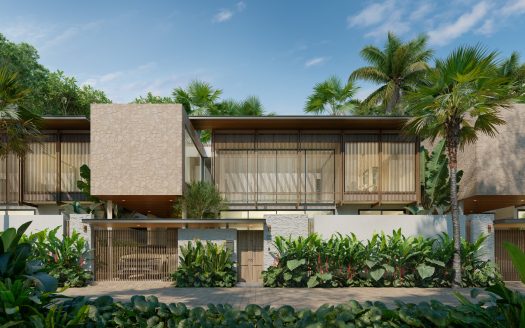
Luxury Pool Villas in Pasak Soi 8, Cherng Talay (Bang Tao), Phuket
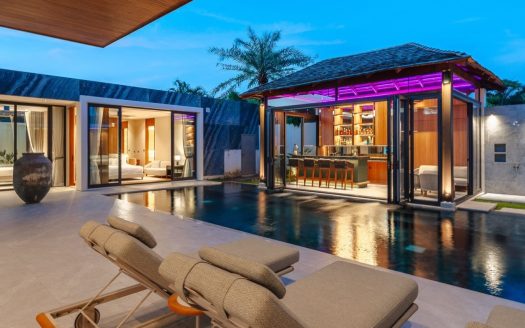
Final Two Luxury Pool Villas in Bang Tao | Ready to Move In
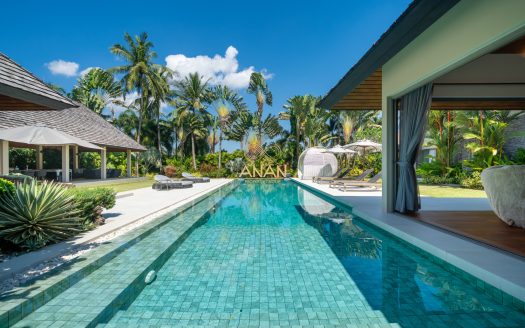
Ultra-Luxury 4-Bedroom Estate with Cinema & Gym near Layan Beach,...
Related reading