
From Holiday Haven to Economic Hub: The Future of Property Investment in Phuket
Phuket is shifting from a tourism-led island into a broader economic and property investment hub, supported by infrastructure upgrades, international schools, healthcare, digital services and mixed-use development. Demand is widening beyond holidaymakers to expatriates, retirees, remote workers and global investors, with luxury, branded and sustainable projects shaping the market.
- Airport expansion, proposed light rail and smart-city initiatives are improving connectivity and supporting new development areas.
- Bang Tao, Cherng Talay, Layan, Kathu and Nai Harn are highlighted as active lifestyle and residential growth zones.
- Condominiums in areas such as Bang Tao and Karon are cited with typical annual rental yields of 5% to 8%.
- Branded residences, wellness design and sustainable features are increasingly important to high-end buyers.
- Due diligence on zoning, construction quality and rental management remains essential in Phuket’s maturing market.
Phuket, Thailand’s largest island, has long captivated travelers with its turquoise waters, golden beaches, and vibrant local culture. Yet beyond its postcard-perfect charm, Phuket is undergoing a profound transformation that extends far beyond tourism. Once known simply as a holiday paradise, it is now emerging as a key economic and investment hub in Southeast Asia. In this new landscape, property investment opportunities are multiplying, attracting global investors eager to be part of Phuket’s next chapter. This article explores how the island’s evolution—from resort haven to cosmopolitan powerhouse—is shaping the future of real estate and economic growth.
Phuket’s Transformation from Paradise to Powerhouse
Phuket’s story began as a serene island retreat—once a quiet refuge for fishermen and traders before becoming a superstar on the global tourism stage. Its pristine beaches, lush hills, and world-class resort infrastructure propelled it to the forefront of Thailand’s tourism economy. But over the last decade, a new Phuket has been rising: one where long-term investment, financial diversification, and urban sophistication coexist with leisurely beach life.
This shift has been driven by policy changes, international partnerships, and a growing awareness among local stakeholders that reliance on tourism alone is not sustainable. The island’s government and private sector have recognized the importance of diversifying the economy through real estate, technology, healthcare, and education. As a result, Phuket has gradually transitioned from a seasonal destination into a year-round business-friendly hub.
Real estate developers have responded with vision and precision, turning once-remote areas into thriving communities. Districts such as Cherng Talay, Layan, and Kathu now feature smart condos, lifestyle malls, and coworking spaces—symbols of an urban evolution grounded in tropical living. The appeal is no longer just about beachfront villas but the broader quality of infrastructure and connectivity that supports long-term growth.
Phuket’s geographic location also works to its advantage. Strategically positioned between South Asia and the Pacific, it offers access to emerging markets and trade routes. This has solidified its reputation as not only a leisure destination but also a gateway to regional business opportunities.
International schools, medical centers, and digital hubs have multiplied, attracting skilled professionals and expatriate families seeking stability and comfort. This demographic diversification further strengthens the property market, ensuring steady demand across rental and ownership sectors.
The island’s identity is now twofold: a sanctuary for relaxation and an engine of economic progress. Its once-seasonal cycles are balancing out, with new business districts and lifestyle enclaves extending economic activity throughout the year.
Ultimately, Phuket’s journey from paradise to powerhouse signals a broader trend in Asia’s coastal economies—where beauty and business converge. This combination continues to make the island one of the most compelling property markets in the region.
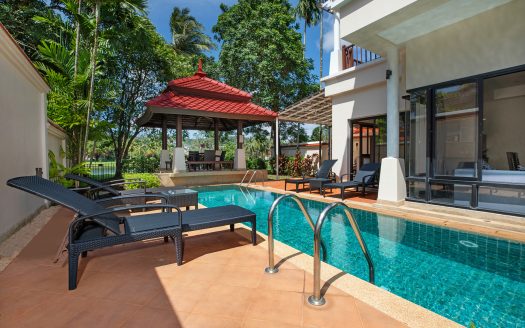
Luxury 4-Bedroom Lakefront Villa for Sale in Laguna Village (Angsana),...


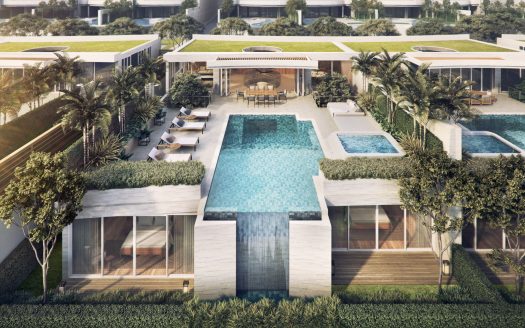
Banyan Tree Beach Residences Aegir – The Final Oceanfront Masterpiece ...
Tourism Roots Paving the Way for Modern Investment
Phuket’s tourism legacy remains at the heart of its real estate evolution. The infrastructure built to support one of Asia’s most successful tourism industries—world-class airports, premium resorts, and international hospitality standards—has laid a strong foundation for property investment.
Tourism established brand recognition for Phuket long before investors arrived. The island’s name carries instant appeal among global travelers, which translates seamlessly into real estate confidence. Investors know that Phuket’s tourism resilience underpins long-term property value, particularly in a world where lifestyle-driven investments are on the rise.
Moreover, the service excellence ingrained in the hospitality sector has influenced residential developments. Condominium and villa projects now integrate five-star management standards, offering buyers both lifestyle perks and rental management efficiency. Essentially, tourism has evolved into a business model for property success.
The pandemic temporarily slowed arrivals but also accelerated change. Developers shifted focus toward wellness tourism, digital nomads, and long-stay visitors—creating a more stable, diversified demand profile. This allowed the real estate market to maintain strong performance, even in uncertain times.
Now, with global travel fully resumed, a dual economy is emerging: traditional tourism continues to thrive, while investment-linked property sectors expand. This synergy has positioned Phuket as a leading example of how tourist economies can leverage their strengths to transition into sustainable business ecosystems.
Boutique hotels are converting into branded residences; beachfront resorts are becoming mixed-use developments that serve both guests and residents. These hybrid models mirror global trends in destinations like Bali and Dubai, marking Phuket’s integration into the world’s luxury-lifestyle circuit.
Most importantly, tourism continues to support the island’s brand identity. As marketing budgets expand and international flights increase, Phuket’s global visibility ensures that its property market remains visible to both end-users and international investors.
Thus, the island’s tourism roots are not fading—they are evolving into fertile ground for innovation in property and investment models.
Key Infrastructure Projects Driving the Next Boom
Infrastructure has become the keyword in Phuket’s next growth phase. Major projects are reconfiguring accessibility, sustainability, and livability across the island—triggering a new wave of investment optimism.
First among these is the Phuket International Airport expansion, designed to handle up to 20 million passengers annually. This upgrade not only supports tourism growth but also enhances investor confidence by ensuring long-term connectivity with major global cities.
Another transformative plan is the proposed light rail system, which will connect the airport with key zones including Phuket Town, Kathu, and Chalong. This project will drastically reduce travel time, ease congestion, and open up new areas for residential and commercial development.
The government is also prioritizing digital infrastructure, turning Phuket into one of Thailand’s smart-city pioneers. Initiatives such as high-speed broadband, digital governance, and integrated energy systems are making it an appealing base for tech entrepreneurs and remote professionals.
Port upgrades and the development of yacht marinas are attracting high-net-worth investors, adding a layer of maritime sophistication that aligns with Phuket’s luxury lifestyle image. Similarly, improved road networks and flood management systems are addressing long-standing logistical challenges.
The emphasis on sustainable infrastructure—solar power integration, waste management, and green building certifications—is particularly appealing to eco-conscious investors. Sustainability is no longer a trend; it’s a requirement for global property investors looking to align profits with principles.
Phuket’s educational infrastructure—international schools, vocational institutes, and university partnerships—further sustains long-term population growth and housing demand. These factors collectively strengthen the case for property as a dependable investment class on the island.
Taken together, these developments are not just about convenience—they signal a maturation of Phuket’s economic ecosystem. For investors, they represent a solid foundation upon which the next real estate boom is being built.
The Rise of Luxury Living and Sustainable Design
Phuket’s modern property landscape is defined by luxury living infused with sustainability. The demand for high-end residences—villas, condominiums, and branded residences—continues to rise, fueled by affluent investors from Asia, Europe, and the Middle East.
Today’s buyers seek more than just ocean views; they desire experiences that combine exclusivity with environmental mindfulness. Developers have responded by integrating solar panels, water recycling systems, and locally sourced materials into state-of-the-art architectural designs.
Wellness-focused design has also become a defining feature. Properties include fitness pavilions, meditation decks, and nature-immersed amenities that cater to residents seeking holistic lifestyles. In Phuket, the line between luxury and well-being has all but disappeared.
International hotel brands such as Banyan Tree, Hilton, and MGallery have entered the branded residences market, offering not just prestige but also consistent management and resale value. These globally recognized names enhance investor confidence while elevating Phuket’s urban image.
Sustainable communities are taking root across the island. Developments in Bang Tao and Nai Harn are pioneering carbon-efficient construction and shared green spaces. Residents are encouraged to live in harmony with nature, reflecting Phuket’s commitment to long-term ecological balance.
Luxury retail and dining precincts are complementing these high-end developments. Integrated lifestyle zones bring together international fashion houses, fine dining, and private marinas, ensuring that the affluent demographic has everything within reach.
Interestingly, Phuket’s luxury transformation remains grounded in local culture. Many architects and designers are inspired by southern Thai traditions, weaving authentic craftsmanship into contemporary spaces—creating a design identity uniquely Phuketian.
In this fusion of elegance and environmental ethics, Phuket’s property market is not merely keeping pace with global trends—it is setting the standard for tropical luxury that respects its natural heritage.
Global Investors Shaping Phuket’s Urban Identity
As Phuket’s global reputation grows, so does the diversity of its investors. International buyers from China, Russia, Singapore, and Europe have begun shaping the island’s emerging urban identity through both capital and concept.
Chinese investors, for instance, have been instrumental in boosting condominium development and retail projects, particularly in areas like Patong and Kamala. Their focus on infrastructure and mid-to-upscale living has contributed to the island’s real estate acceleration.
Meanwhile, Russian and European buyers often favor luxury villas and resort-style residences. These investors tend to view Phuket as both a lifestyle and retirement destination, supporting long-term community growth rather than short-term speculation.
Singaporean and Hong Kong funds are now exploring commercial and mixed-use investments, reflecting confidence in Phuket’s ability to sustain international business ecosystems. Their participation brings more structure and transparency to the investment landscape.
The increasing presence of institutional investors and boutique developers has elevated construction standards and professionalized property management. This global influence bridges Phuket’s local personality with international best practices.
New urban centers are emerging in response to these trends. The Laguna and Boat Avenue areas exemplify this transformation—designed as self-sufficient townships with shopping, leisure, and workspaces integrated within walking distance of residences.
Cross-border investment collaboration is also driving innovation. Joint ventures between Thai and international firms have created a new wave of developments that balance global sophistication with local authenticity.
This melting pot of investors ensures that Phuket remains cosmopolitan in every sense. Its urban identity is being shaped by global citizens who see the island not just as a paradise, but as a vital part of the world’s interconnected economic map.
Forecasting Returns in Phuket’s Dynamic Property Market
Phuket’s property investment outlook remains optimistic, supported by sustained demand, infrastructure growth, and global visibility. While market dynamics vary across segments, the trajectory is upward, with strong fundamentals underpinning every sub-market.
Rental yields for condominiums in key areas like Bang Tao and Karon remain attractive, typically ranging between 5% and 8% annually. Villas in well-managed estates often yield both capital appreciation and strong short-term rental income driven by tourism.
Sustained investment in infrastructure and tourism ensures that property values appreciate steadily over the long term. As more international schools and hospitals open, new demand emerges, diversifying the market beyond leisure-based buyers.
Phuket’s transition toward a year-round economy also mitigates traditional seasonality risks. Demand from digital nomads, retirees, and expatriates keeps occupancy levels stable even outside of peak tourist months.
Off-plan investments are becoming increasingly popular among international buyers seeking entry into the market before completion. Transparent legal frameworks and government initiatives—such as foreign ownership reforms—further boost investor confidence.
However, as with any maturing market, due diligence is key. Understanding zoning laws, construction quality, and rental management practices remains crucial. Fortunately, Phuket’s ecosystem of professional agents, legal advisors, and consultants continues to grow stronger.
Looking ahead, analysts forecast that Phuket’s property values will outpace many regional destinations over the next decade. The blend of natural allure and structural growth positions the island as a top-tier choice for investors seeking both profitability and lifestyle benefit.
For those aiming to invest now, Phuket is not merely a place to own a home—it represents a strategic opportunity to participate in the evolution of one of Asia’s most dynamic island economies.
Phuket’s metamorphosis from holiday haven to economic hub is a testament to adaptive growth and vision-driven planning. No longer defined by its beaches alone, the island is solidifying its position as a model for sustainable, globally connected development. With world-class infrastructure, dynamic property offerings, and a thriving multicultural community, Phuket stands poised to attract a new generation of investors. In a world where lifestyle and investment increasingly intersect, the island’s journey symbolizes the perfect blend of paradise and prosperity—offering opportunities as vast as its horizon.
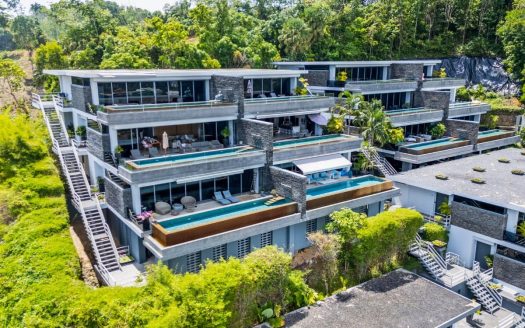
Turnkey 3-Bedroom Sea View Pool Apartment: A Hillside Sanctuary in Lay...
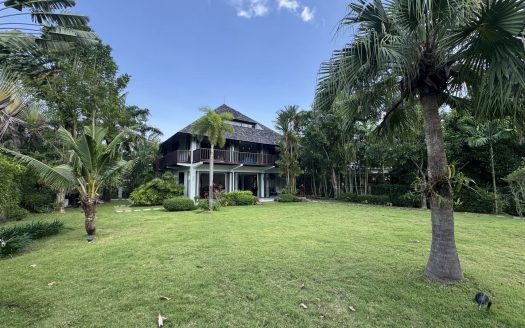
Rare 1-Rai Pool Villa: A "Renovator's Dream" Just 300m ...


Luxury Eco-Resort Residences: An Unprecedented Sanctuary 50m from Bang...
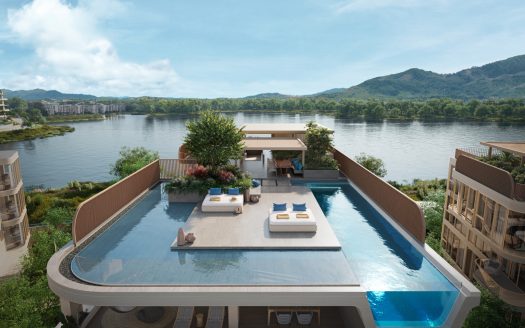
The Pinnacle of Oceanfront Branded Living in Laguna, Phuket
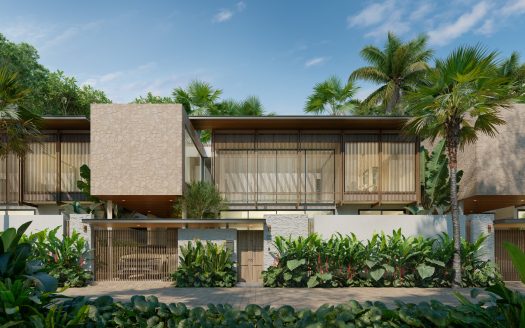
Luxury Pool Villas in Pasak Soi 8, Cherng Talay (Bang Tao), Phuket
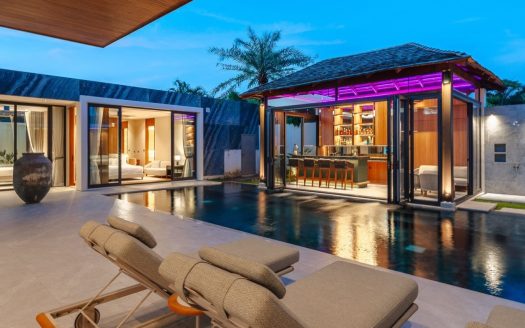
Final Two Luxury Pool Villas in Bang Tao | Ready to Move In
Related reading


