How to Buy Off-Plan Property in Phuket Safely
Buying off-plan property in Phuket can offer competitive pricing, flexible payment terms and potential capital growth, but it requires careful due diligence. Buyers should assess the developer’s track record, location fundamentals, legal ownership structure, permits, contract terms and staged payment protections before committing.
- Verify the developer’s completed projects, reputation and industry credentials before paying a deposit.
- Use an independent Thai property lawyer to review titles, permits, contracts and ownership structures.
- Choose locations based on access, rental demand, infrastructure plans and long-term lifestyle appeal.
- Link payments to construction milestones and consider escrow to reduce delivery risk.
- Confirm all fees, specifications, approvals and delay protections in writing before signing.
Buying off-plan property in Phuket has become an increasingly popular way for investors and homebuyers to secure luxury villas or condominiums at competitive prices before they are completed. However, while the potential benefits can be significant—such as lower upfront costs and capital appreciation—there are also risks involved that should not be ignored. Understanding how to make a safe and informed purchase is crucial. This guide walks you through the key steps to buying off-plan property in Phuket, from evaluating developers to ensuring your investment is legally protected.
Understanding the Basics of Off-Plan Property in Phuket
Buying off-plan property means purchasing a home or condominium unit before construction is completed. In Phuket, this approach allows buyers access to new, modern developments—often at lower prices than completed properties. Developers typically offer attractive pre-launch discounts or flexible payment options to attract early investors.
The concept of buying off-plan in Phuket has flourished due to the island’s rapid growth as a tourism and lifestyle destination. Modern infrastructure, international schools, and a vibrant expat community make it a hotspot for real estate investment. Yet, buying something that doesn’t physically exist yet requires extra caution.
Buyers must rely heavily on the developer’s reputation and marketing materials, which include brochures, 3D renderings, and sample units. These materials present a vision of the final product, but actual results can vary. It’s therefore essential to approach the process with careful planning and informed skepticism.
Another factor to consider is the payment schedule. Typically, payments are made in stages tied to construction milestones, rather than a single lump sum. This reduces risk but also requires clear accountability from the developer.
Additionally, understanding the financial structure—such as maintenance fees, sinking funds, and rental management options—can help you anticipate future costs. Knowing these details early helps prevent surprises once the property is completed.
In essence, understanding how off-plan property purchasing works in Phuket is the foundation for making a safe and rewarding investment decision.
Researching Reliable Developers and Past Projects
The most crucial factor in any off-plan purchase is the credibility of the developer. Phuket has seen both reputable builders and untrustworthy operators enter the market, so background checks are non-negotiable. Start by identifying how long the developer has been operating and whether they have successfully completed similar projects.
Investors should visit the developer’s office or showrooms, meet the team in person, and request to see documentation of previously delivered properties. If possible, visit those completed sites to assess their quality and how well they’ve been maintained after handover.
Online research also plays a key role. Search for reviews, news articles, or community feedback about the developer. Social media groups focused on Phuket real estate often share honest experiences that you might not find in formal listings.
You can also confirm if the developer is registered with the Thai Real Estate Developers Association (TREDA) or other industry bodies. Membership in these organizations usually requires a track record of professional conduct and financial stability.
Another smart move is to consult local real estate agents who specialize in Phuket developments. They can help verify which developers are reliable and which ones have had past issues. Reputable agents typically avoid promoting unreliable projects to protect their own credibility.
Taking time to verify the developer’s background may seem tedious, but it is one of the best ways to reduce risk and ensure your investment is managed by trustworthy professionals.

The Only Foreign Freehold Garden Residence Available at The Standard P...


Allamanda 2 Foreign Freehold Golf View Residence in Laguna Phuket
Evaluating the Location and Future Growth Potential
Phuket’s property market is driven largely by location. Whether you’re investing for personal use or rental income, the area you choose matters immensely. Key zones like Bang Tao, Kamala, Rawai, and Kata each offer different atmospheres and investment potential.
When evaluating the site, consider not only its proximity to beaches but also access to amenities such as hospitals, shopping centers, and international schools. Rental demand tends to be higher in well-connected areas with consistent tourist flow.
Future infrastructure plans are also worth studying. Government initiatives such as new road expansions, marina projects, or improved public utilities often boost land values significantly.
Environmental sustainability is becoming increasingly important in Phuket, as certain regions have stricter building regulations to preserve natural surroundings. Choosing an area that aligns with these eco-conscious policies may enhance long-term property value.
Additionally, factor in the lifestyle appeal. For instance, if you plan to use the property occasionally, a quieter area like Nai Harn might be ideal. But if rental yield is your focus, high-traffic zones close to nightlife or major attractions—like Patong or Cherng Talay—might be more suitable.
Ultimately, a thorough understanding of Phuket’s diverse neighborhoods and development trends will guide you toward a location that fits both your financial goals and personal preferences.
Reviewing Legal Requirements and Ownership Options
Foreign investors in Thailand face specific legal considerations, particularly around land ownership. In general, foreigners can own condominium units outright—as long as at least 51% of the overall building is Thai-owned—but cannot directly own land. For villas built on land, leasehold structures are typically used.
Engage a qualified Thai property lawyer early in the process. They can review contracts, check land titles, and verify that necessary permits have been obtained by the developer. This professional support can prevent costly mistakes.
When purchasing leasehold property, confirm the lease term and renewal terms. Most standard leases in Thailand last up to 30 years, with options for renewal subject to agreement. Ensure the renewal clauses are clearly written and legally enforceable.
For condominium purchases, review the building’s ownership ratio and confirm that the development has received all required condominium licenses. Your lawyer should check the title deed (Chanote) to confirm ownership and ensure there are no encumbrances.
Payment transfers should always be done through legitimate channels. Keep detailed records of all transactions for your own protection and for visa or tax-related purposes.
Understanding the legal landscape not only helps protect your rights but also ensures that your Phuket property investment remains compliant and secure in the long term.
Protecting Your Investment with Safe Payment Plans
When buying an off-plan property, the way you pay can greatly affect your risk exposure. Reputable developers will offer staged payment plans that link directly to construction progress. Avoid paying too much upfront before substantial building milestones are achieved.
The first payment, typically a reservation fee or deposit, secures your unit but should be clearly defined as refundable or non-refundable in writing. The remaining payments should align with specific construction stages—foundation completion, topping-out, flooring, and final handover, for example.
Work with your lawyer to review the payment schedule outlined in the contract. Transparency is key: every payment should correspond to verifiable work completed on-site. You can even request photographic updates or schedule inspections before making each payment.
Using an escrow account can add another layer of protection. Funds in escrow are released to the developer only when agreed milestones are reached, minimizing the risk of mismanagement or unfinished projects.
Currency transfer and taxation are other important factors. International buyers should ensure they comply with Thai regulations for foreign currency transfers to qualify for property ownership registration. Documenting each transfer properly is essential.
Well-structured payment plans protect your cash flow and give you leverage in holding developers accountable for delivering on their promises.
Conducting Final Checks Before Signing the Contract
Before committing to an off-plan purchase, make sure every document and promise made by the developer has been verified. Your lawyer should examine the sales agreement, construction permit, and master plan for the entire development.
Inspect the show unit carefully, comparing what is being promised with what you see. Ask for clear, written specifications of materials, finishes, and amenities to ensure you receive what you’re paying for upon completion.
Check that all approvals—from environmental authorities to local construction offices—have been obtained by the developer. Missing permits can cause severe legal delays or even halt the project entirely.
Clarify all costs associated with ownership before signing. These may include maintenance fees, sinking funds, and property management charges. Being clear about ongoing expenses will help you plan your finances better.
It’s also wise to include completion guarantees or penalty clauses in the contract that protect you if the developer fails to deliver on time or to agreed standards. Your lawyer can help negotiate these terms.
Taking time to complete all these final checks ensures your investment is secure, transparent, and free from unnecessary risk.
Buying off-plan property in Phuket can be a rewarding experience if done with due diligence and professional support. By understanding how the process works, choosing reputable developers, securing sound legal advice, and structuring payments wisely, you can safeguard your investment from common pitfalls. Phuket’s property market remains vibrant and full of opportunity—but only those who approach it with care, research, and patience will truly benefit in the long run.

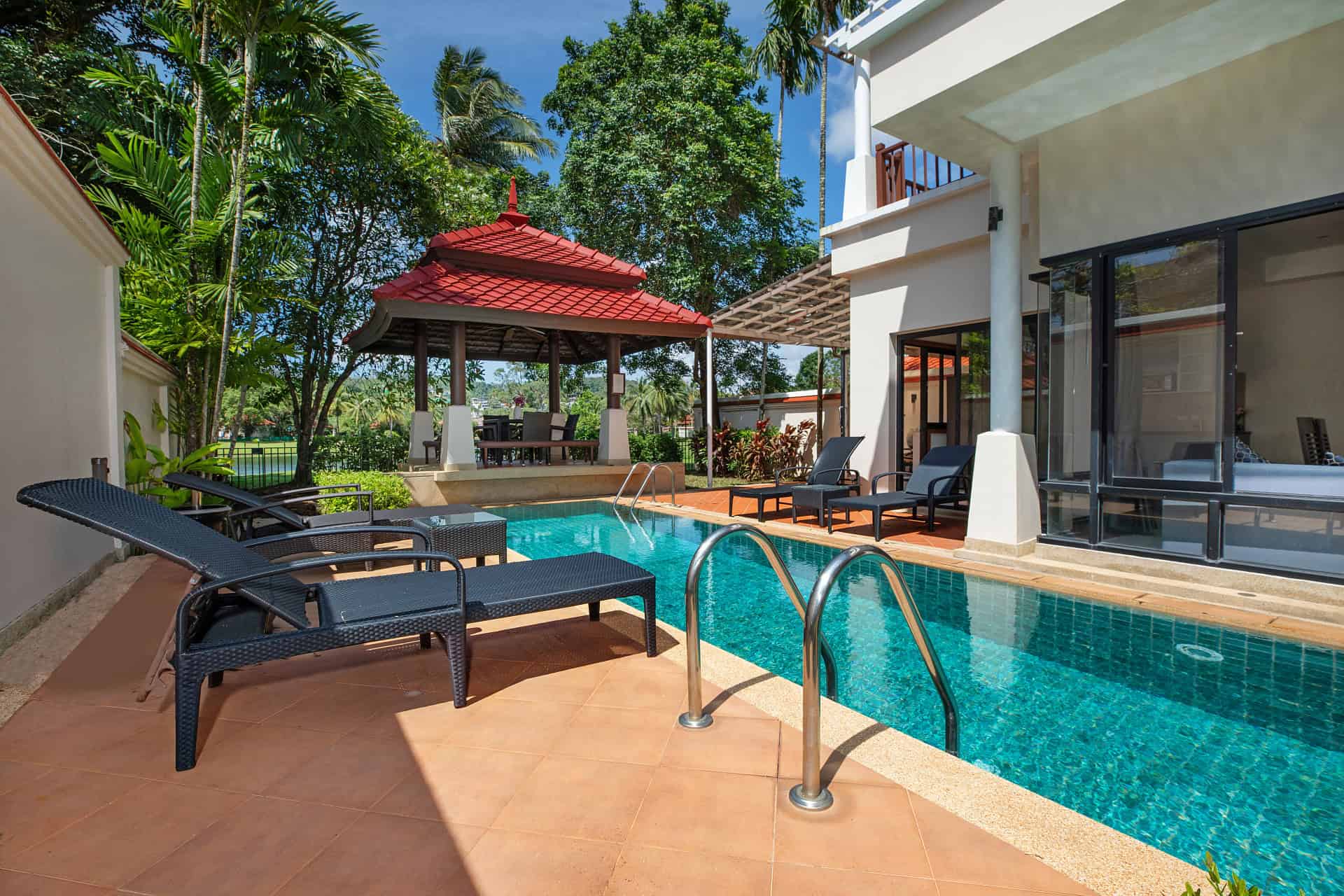
Luxury 4-Bedroom Lakefront Villa for Sale in Laguna Village (Angsana),...

Trichada Tropical 3-Bedroom Pool Villa for Sale Near Boat Avenue

4 Bedroom Beach Front Island Residences

Grand 5 Bedroom Island Escape Villa

4-Bedroom Single-Storey Pool Villa In Prime Location

Grand Oceanfront Residence Between Kata & Kata Noi
Related reading