Phuket Property Trends 2026: 5 Key Indicators for Smart Investors
Summary8 min read
Phuket’s 2026 property outlook is shaped by recovering tourism, broader buyer demographics, infrastructure upgrades and stronger demand for sustainable, managed assets. Investors are advised to focus on micro-locations, legal compliance, reputable developers and property types suited to longer stays, remote work and year-round rental demand.
DigestKey takeaways
- Tourism growth and longer stays should support rental demand in well-located, professionally managed properties.
- Remote workers, retirees and lifestyle buyers are increasing demand for turnkey homes with wellness and connectivity features.
- Airport, road, marina and smart city upgrades may lift values in emerging and better-connected areas.
- Sustainable, energy-efficient developments are likely to attract stronger tenants and potential pricing premiums.
- Investors should check zoning, licensing and ownership rules before relying on short-term rental income.
Understanding Phuket’s Evolving Real Estate Market
Phuket’s property market has undergone substantial transformation over the past decade. Once primarily fueled by vacation-home buyers and a niche luxury segment, it now encompasses a more diverse investment base that includes digital nomads, long-stay retirees, and remote workers seeking lifestyle balance. This diversification has led to broader product offerings ranging from high-rise condominiums to sustainable villa developments and income-generating resort properties. Since the pandemic, Phuket’s recovery trajectory has been faster than many coastal destinations in Southeast Asia. The island’s reopening to tourists and work-from-anywhere professionals revitalized key submarkets such as Rawai, Bang Tao, and Kamala. Foreign confidence has grown as well, supported by improved legal frameworks and streamlined long-term visa options that facilitate property ownership. The market has also become more transparent, with increased access to information, stronger developer accountability, and the maturation of property management services. Today, investors can rely on clearer yield projections and verified data, making real estate decisions more predictable. However, competition within the market has intensified. Developers are offering more creative financing options and focusing on branding, sustainable design, and hospitality integration to capture discerning buyers. This flexibility signals a market that’s adapting to new global investment behaviors rather than relying solely on traditional resort models. As 2026 approaches, the island’s property climate is defined by adaptability and innovation. Understanding how the market has evolved helps investors identify where the next growth pockets will emerge—and which property types may outperform in value and rental yields.Key Economic Drivers Shaping Property Demand
Phuket’s real estate demand remains closely tied to Thailand’s economic resilience and consistent foreign investment flows. The government’s proactive stance on tourism promotion, digital trade, and regional connectivity has laid a foundation for sustainable growth, even amid global uncertainty. Economic diversification—through sectors like health tourism, education, and renewable energy—will play a key role in supporting property demand between 2025 and 2026. Currency stability and favorable exchange rates are another positive factor encouraging offshore investors, particularly from Europe and China. The Thai baht’s relative predictability allows investors to manage risk and plan long-term capital inflows without fear of severe volatility. Moreover, Thailand’s increased focus on special economic zones (SEZs) in the southern provinces, including plans for innovation corridors and logistics hubs, has bolstered confidence in Phuket’s role as a lifestyle investment gateway. These regional initiatives enhance business mobility and attract a younger, professional demographic seeking both work opportunities and leisure-friendly environments. Rising interest in sustainable and ESG-compliant projects is reshaping the investment narrative. Buyers in 2026 are more concerned about environmental impact, resource efficiency, and ethical development practices. Developers who align with this mindset are expected to stand out and command premium pricing. In essence, Phuket’s economic underpinnings are stronger than ever, driven by a mix of macroeconomic stability, tourism momentum, and forward-thinking policies. For investors, these factors combine to create a favorable environment for both short-term rental income and long-term value appreciation.Tourist Growth and Its Impact on Investment Returns
Tourism remains the beating heart of Phuket’s economic and property sectors. Visitor arrivals are expected to exceed pre-2020 numbers by 2026, thanks to expanded flight connectivity, visa reforms, and a diversified tourism product portfolio. The island now attracts not just leisure travelers but also wellness seekers, remote professionals, and family vacationers who opt for longer stays. This evolving tourism pattern directly affects property performance. Short-term rental platforms have matured, enabling owners to manage units efficiently while maintaining high occupancy levels throughout the year. Premium beachfront and hillside properties that cater to the luxury segment continue to experience solid demand and relatively stable yields. In addition, the rise of “hybrid” vacation models—where tourists blend business with leisure—has fueled the popularity of serviced apartments and co-living spaces. These formats provide consistent rental income and appeal to global professionals who value flexibility and amenities over traditional hospitality setups. Seasonality, historically a limiting factor in Phuket’s rental markets, is becoming less pronounced. With stronger year-round connectivity and diverse tourism events, investors can enjoy more even cash flow distribution across months. However, prudent investors should consider regulatory changes regarding Airbnb-style rentals and ensure compliance with local zoning and licensing laws. Proper due diligence, management partnerships, and legal clarity will remain crucial to optimizing returns in this expanding tourism-driven landscape. Ultimately, as Phuket welcomes record-breaking tourist numbers in 2026, well-positioned properties that blend comfort, location, and operational efficiency are poised to deliver exceptional investment performance.Shifts in Buyer Demographics and Lifestyle Trends
The modern Phuket property buyer is markedly different from a decade ago. Younger, globally mobile, and tech-savvy investors are now entering the market, often prioritizing flexibility and digital integration over traditional luxury aesthetics. This demographic prefers turnkey investments, minimal maintenance, and strong community environments aligned with wellness and sustainability principles. Retirees and long-term expatriates remain a vital part of the buyer base, but their preferences are evolving too. Many seek eco-friendly homes with energy efficiency, easy access to healthcare, and proximity to modern conveniences. Villa developments with private spaces and green technology are particularly favored in this segment. The influx of remote workers and entrepreneurs has driven demand for properties with strong internet infrastructure, communal workspaces, and recreational amenities. The merging of lifestyle and productivity has given rise to a new development model blending residential and co-working concepts. Cultural diversity is another defining factor. European, Russian, Chinese, and Middle Eastern investors are all active in the market, bringing distinct design preferences and spending patterns. This international mix is fostering innovation in architectural styles, interior designs, and community planning. Developers are responding with mixed-use projects and branded residences that offer long-term value and global recognition. As lifestyles shift toward health-conscious, experience-driven living, projects that deliver holistic wellbeing—through sustainable materials, natural ventilation, and wellness facilities—are gaining traction. By 2026, Phuket’s market will reflect an increasingly cosmopolitan identity. Understanding these demographic shifts allows investors to select projects that align with emerging global buyer psychology and generate sustained demand.Infrastructure Projects Influencing Property Values
Phuket’s infrastructure pipeline is one of the most influential factors shaping property appreciation over the next few years. Major developments such as the new light rail system, expanded airport facilities, and road network upgrades are improving accessibility and reducing congestion. These projects not only enhance daily convenience but also increase real estate value in less-developed parts of the island. The proposed Phuket Smart City initiative, focused on high-tech business hubs and sustainable urban infrastructure, is another game-changer. It aims to position Phuket as a model for digital innovation and eco-friendly development, attracting tech firms and professionals who drive further housing demand. Additionally, upgrades to seaports and marinas are expanding Phuket’s capacity to welcome high-net-worth travelers and yacht tourism, reinforcing its reputation as a premier leisure destination. Areas adjacent to these upgraded facilities are expected to experience significant upticks in property value. Local government efforts to improve drainage systems and public utilities also indicate greater long-term livability and safety—both critical components for investors assessing risk. Reliable infrastructure translates to stable rental demand and reduced property management headaches. Furthermore, investments in educational institutions, hospitals, and international schools are making Phuket increasingly attractive to families and long-term residents. Suburban zones previously considered too remote are becoming vibrant, self-sufficient communities. As these infrastructure projects come to fruition by 2026, investors who anticipate their impact early can capitalize on appreciation opportunities before prices adjust fully to reflect the new accessibility and amenities.Strategic Insights for Smart Investors in 2026
By 2026, Phuket’s property market will reward investors who approach opportunities with flexibility, research, and strategic vision. As demand grows, understanding micro-locations—areas that combine lifestyle appeal with strong infrastructure—will be vital for optimizing returns. Investors should also diversify their portfolios, blending high-yield rental assets with long-term capital growth projects. Coastal hotspots will continue to be lucrative, but emerging inland zones connected by the new transportation routes offer excellent value potential. Partnering with reputable developers and management firms remains a cornerstone strategy. Established local expertise can mitigate legal risks and ensure efficient property operations, especially for foreign buyers navigating ownership regulations. Technology will also play a greater role in investment decisions. Data analytics, digital property platforms, and real-time market tracking will empower investors to identify price trends, monitor occupancy, and benchmark assets against regional performance metrics. Sustainability should not be overlooked as a profitability driver. Energy-efficient and environmentally responsible developments attract higher-quality tenants, command rental premiums, and align with global investor ethics. Ultimately, success in Phuket’s 2026 property market will hinge on blending market intuition with evidence-based decision-making. Those who act early, stay informed, and align with the island’s evolving identity will find themselves well-positioned for long-term success.Phuket’s property story in 2026 is one of transformation and opportunity. Driven by strong tourism, changing demographics, and strategic infrastructure advancements, the island is redefining what it means to invest in coastal Southeast Asia. Smart investors who appreciate these nuances—balancing economic insight with lifestyle foresight—will be the ones to reap the most sustainable and impressive rewards in the years ahead.


Featured
For Sale
฿98M
Ayara Villa | Sea View Luxury Villa in Surin, Phuket
Ayara Villa | Sea View Luxury Villa in Surin, Phuket Ayara Villa 5A is a re ...


Featured
For Sale
฿465.5M
Baan Banyan | Iconic Sea View Estate on Kamala Headland, Phuket
Baan Banyan | Iconic Sea View Estate on Kamala Headland, Phuket Baan Banyan ...

Featured
For Sale
฿21.9M
Luxury Pool Villas in Pasak Soi 8, Cherng Talay (Bang Tao), Phuket
Luxury Pool Villas in Pasak Soi 8, Cherng Talay (Bang Tao), Phuket Set in o ...

Featured
For Sale
Hot Offer
฿18.9M
Luxury Pool Villas in Pasak Soi 8, Cherng Talay (Bang Tao), Phuket
Luxury Pool Villas in Pasak Soi 8, Cherng Talay (Bang Tao), Phuket Set in o ...
Featured
For Sale
Available Now
฿47.9M
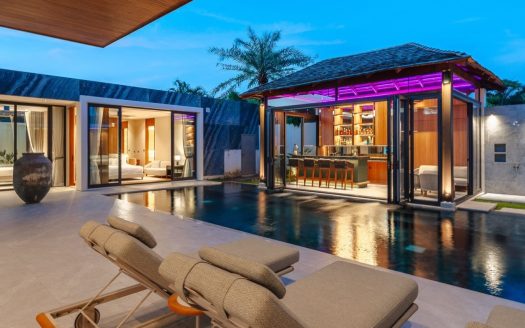
Final Two Luxury Pool Villas in Bang Tao | Ready to Move In
Final Two Luxury Pool Villas in Bang Tao | Ready to Move In These are the f ...
Featured
For Sale
฿130M
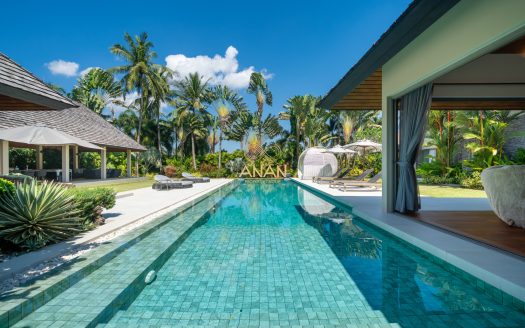
Ultra-Luxury 4-Bedroom Estate with Cinema & Gym near Layan Beach,...
Luxury 4-Bedroom Pool Villa near Layan Beach, Phuket This exceptional 4-bed ...
Related reading