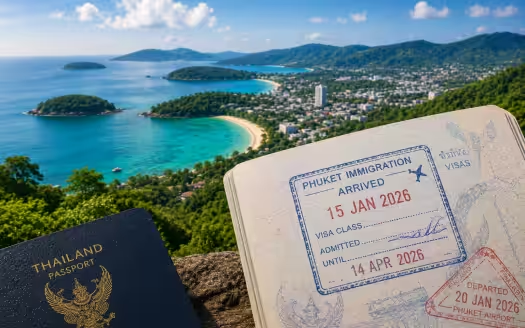
Thai Title Deeds Explained: A Foreign Buyer’s Guide
Thai title deed type determines whether land can be safely sold, leased, mortgaged or built on, making it central to any Phuket property purchase. Foreign buyers should focus on Chanote or Nor Sor 3 Gor land, verify the deed at the Land Office, and avoid weaker documents or unregistered structures. Condominiums remain the main freehold route for foreigners, subject to the 49% foreign quota.
- Only Chanote and Nor Sor 3 Gor titles reliably support registered leases, mortgages, usufructs and superficies.
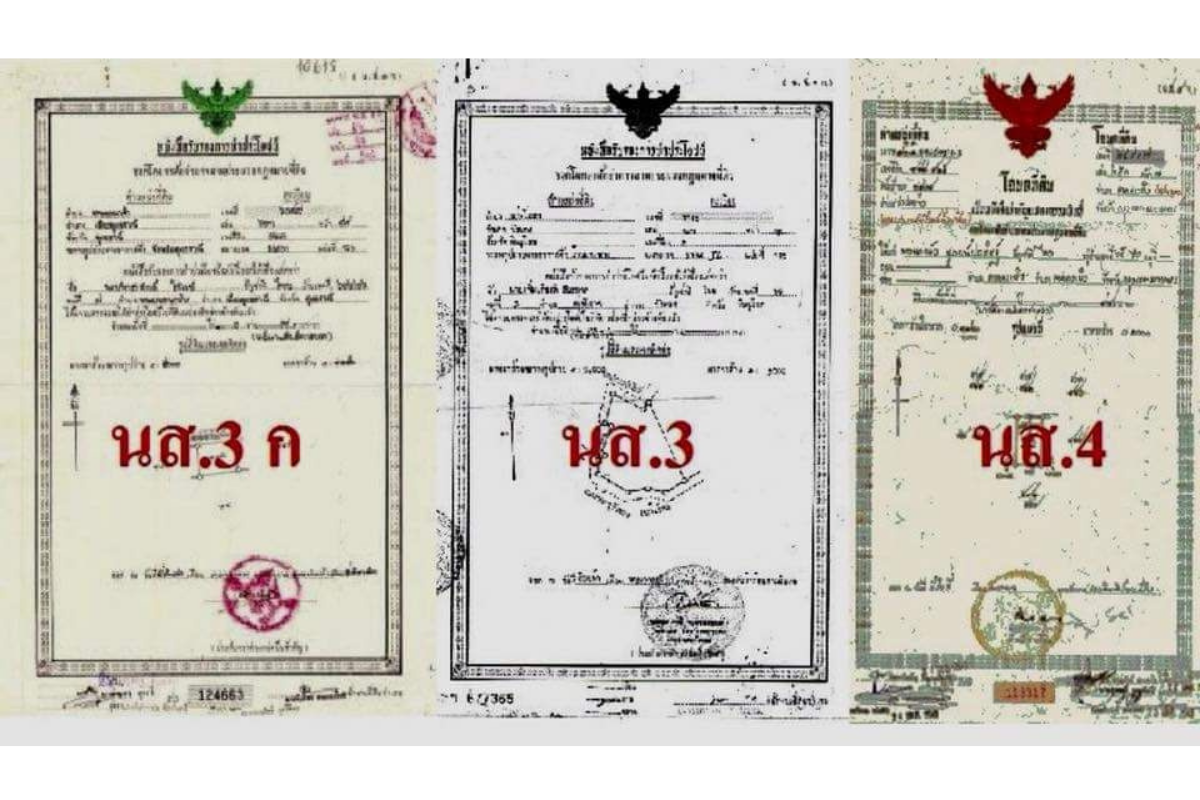
- A red Garuda indicates Chanote; green indicates Nor Sor 3 Gor, which is workable but needs careful verification.
- Foreigners can own condominium units freehold only if the building’s 49% foreign quota is available.
- Land Office searches, deed-back checks and boundary marker inspections are essential before paying a deposit.
- Avoid Sor Kor 1, Sor Por Kor and Por Bor Tor documents; they cannot protect a foreign buyer’s structure.
In Thailand, the document that proves who owns or lawfully uses a plot of land is the single most important piece of paper in any property transaction. It defines the boundaries, the rights, and the restrictions attached to the land. For a foreign buyer, understanding Thai title deeds is not an academic exercise: the type of deed underneath a villa, a condominium, or a plot of land determines whether the property can be legally sold, leased, mortgaged, or built on at all. Getting this wrong is the most expensive mistake a buyer can make in Thailand, and it is almost always avoidable.
Buyers actively reviewing stock can browse our Phuket property for sale. For those weighing a land purchase specifically, our Phuket land plots listings note the title type on each plot, and the Anan buying guide walks through the full acquisition process from offer to title transfer.
Why the Title Deed Type Matters to a Foreign Buyer

There is an apparent contradiction that confuses many first-time buyers. Foreign nationals cannot own land freehold in Thailand under the Land Code Act, so why does the title deed type matter to a foreigner at all? The answer is that almost every legal structure available to a foreign buyer is built directly on top of the underlying deed.
When you take a registered 30-year lease over a villa, that lease can only be registered at the Land Office if the land sits under a Chanote or a Nor Sor 3 Gor title. When you own the building through a superficies or hold a usufruct, those rights are recorded on the back of the same deed. When a bank assesses whether to lend, it looks first at the title grade. And when you eventually come to sell, the buyer’s lawyer will scrutinise that deed exactly as yours should now. The deed is the foundation under every structure a foreigner can legally use.
| The practical rule for foreign buyers is simple: only consider land held under a Chanote or a Nor Sor 3 Gor. These are the two titles the Land Department will register a lease, mortgage, usufruct, or superficies against. Anything weaker cannot reliably carry the legal structure that protects a foreign buyer’s money. |
The Garuda Emblem and What Its Colour Tells You
Thai title documents carry the Garuda, the mythical bird that serves as the national emblem. The colour of the Garuda is a fast, reliable first signal of what kind of document you are looking at, although it is never a substitute for a proper check at the Land Office.
| Garuda Colour | Document | What It Signals |
|---|---|---|
| Red | Chanote (Nor Sor 4 Jor) | Full freehold title, GPS-surveyed boundaries, strongest legal certainty |
| Green | Nor Sor 3 Gor | Confirmed possession, aerially surveyed, upgradeable to Chanote |
| Black | Nor Sor 3 / Nor Sor 3 Khor | Confirmed use right, boundaries less precise, slower to transfer |
| Blue | Sap Ing Sith | A newer registrable long-term right, rare and still uncommon at Land Offices |
A common error among foreign buyers is to call every document a Chanote. In practice, the word is used loosely across Phuket to describe all titles, which is exactly why the emblem colour and the formal title name on the deed both matter. A black or green Garuda is not a red one, and the difference changes what you can safely do with the land.

Ayara Villa | Sea View Luxury Villa in Surin, Phuket


Baan Banyan | Iconic Sea View Estate on Kamala Headland, Phuket
Thailand’s Land Title Deeds, Ranked
Thailand recognises a hierarchy of land documents, from full freehold title down to mere occupancy notices that confer almost no transferable rights. The table below ranks the documents a buyer is most likely to encounter, from strongest to weakest.
| Title Document | Rights Conferred | Foreign Buyer Verdict |
|---|---|---|
| Chanote (Nor Sor 4 Jor) | Full freehold ownership; sell, lease, mortgage, build | Target this. Safest title |
| Nor Sor 3 Gor | Strong possession; sell, lease, mortgage; upgradeable | Acceptable. Verify upgrade path |
| Nor Sor 3 | Confirmed use; transfer needs 30-day public notice | Caution. Boundary risk |
| Sor Kor 1 (SK1) | Possession claim only; no Land Office registration | Avoid. No legal protection |
| Sor Por Kor 4-01 | Agricultural reform land; Thai farmers only | Prohibited. Non-starter |
| Por Bor Tor 5 | Tax receipt for use; state owns the land | Avoid. Not a title |
Chanote (Nor Sor 4 Jor): Full Freehold Title
The Chanote is the highest title in the Thai system and the only one that represents true freehold ownership. Its boundaries are surveyed against the national grid using GPS and marked on the ground with numbered concrete posts that correspond to the survey map on the deed. Thai courts treat a Chanote as conclusive evidence of ownership. Because of this precision and legal weight, Chanote-titled land typically commands a noticeably higher market value than equivalent plots under lower-grade titles, and banks lend against it most readily. The trade-off is availability: Chanote land is concentrated in developed areas and makes up under a third of all titled land nationwide.
Nor Sor 3 Gor: The Strong Second Best
The Nor Sor 3 Gor carries a green Garuda and represents a confirmed right of possession. Its boundaries are set by aerial survey rather than ground-marker GPS, so they are reliable but not as precise as a Chanote. Owners can sell, lease, and mortgage the land much as they would a Chanote, and the title can usually be upgraded to full Chanote on application once the area is mapped in detail. For a foreign buyer, a Nor Sor 3 Gor is workable, provided an independent lawyer confirms the boundaries and the upgrade path before any deposit changes hands.
Nor Sor 3, Sor Kor 1 and the Documents to Avoid
Below the Nor Sor 3 Gor, the risk rises sharply. A plain Nor Sor 3 has never had its boundaries precisely fixed, so transfers require a 30-day public notice and border disputes are common. A Sor Kor 1 is merely a possession notice; the Land Department stopped issuing them in 1972, they cannot be registered through the Land Office, and possession is passed by physically handing over the paper, which offers a buyer no real protection. Sor Por Kor 4-01 is agricultural reform land reserved for qualifying Thai farmers and cannot be sold or leased to foreigners under any circumstances. Por Bor Tor 5 is a tax receipt, not a title at all.
How Foreign Buyers Actually Hold Phuket Property

Because the Land Code bars foreign nationals from holding land freehold, the deed almost never sits in a foreign buyer’s own name. Instead, foreign ownership is built through one of a small number of established structures, each of which interacts with the underlying title in a specific way.
The Condominium Title: The One Freehold a Foreigner Can Hold
A condominium unit is the only property a foreign national can own outright, freehold, in their own name. The unit receives its own title document, and the buyer also owns a proportional share of the common property. The catch sits at the project level, not the unit level: Thailand’s Condominium Act caps foreign ownership at 49% of a building’s total saleable floor area. If that quota is already full, no further foreign transfers are permitted until a foreign owner sells back to a Thai national. Verifying current quota availability with the building’s juristic person is therefore a mandatory step before any deposit.
Registered Leasehold and Building Ownership
For villas and landed property, the standard route is a 30-year lease registered at the Land Office, frequently structured with optional renewal periods. A 2025 Thai Supreme Court ruling confirmed that renewal clauses are contractual commitments rather than automatic property rights, which means the strength of the landowner or developer behind the lease matters a great deal. Buyers can also hold the building itself through a superficies and secure use rights through a usufruct. Every one of these rights is registered on the back of the underlying Chanote or Nor Sor 3 Gor, which is precisely why the title grade cannot be ignored.
| A registered lease, usufruct, superficies, or mortgage can only be recorded at the Land Office against a Chanote or a Nor Sor 3 Gor. If a seller proposes one of these structures over land with a weaker title, the structure cannot be registered, and an unregistered right is the kind of arrangement that collapses in a dispute. |
A Thai company limited can also hold land freehold, and some buyers use this route for villas. Thai authorities have sharply increased scrutiny of nominee-shareholder arrangements, where a company is nominally Thai but effectively controlled by a foreigner, and indications point to further tightening through 2026. Anyone considering a company structure should take independent legal advice and ensure it is genuinely compliant, not merely compliant on paper. For a deeper treatment of these options, our explainer on
foreign ownership structures is set out in full in our guide to foreign ownership of villas and condos in Thailand, and the renewal question is covered in detail in our piece on Thailand’s 30+30+30 leasehold agreements.
How to Read and Verify a Thai Title Deed
Verifying a title deed is a layered process. The early steps can be done remotely as a quick screen; the decisive checks must be done in person at the Land Office, by you or by a lawyer acting on your behalf. The sequence below reflects how a careful purchase actually proceeds.
- Run a preliminary online check. The Department of Lands LandsMaps portal shows the parcel shape over satellite imagery. Use it to compare the mapped boundary against the fences and walls on the ground. The Department states plainly that LandsMaps is basic information only and not legal evidence.
- Read the back of the deed. The reverse of a Chanote or Nor Sor 3 Gor records the full registration history: mortgages, registered leases, usufructs, court seizures, and any notes restricting transfer. This is where hidden encumbrances surface.
- Order an official Land Office title search. Only a physical search at the Land Office where the land is registered confirms ownership, encumbrances, seizures, and document authenticity. An online printout carries no legal weight; a certified copy from the Land Office does.
- Match the deed to the ground. For Chanote land, locate the numbered concrete survey markers at the plot corners and confirm they match the survey map on the deed. Significant divergence can indicate encroachment, a survey error, or a fraudulent title.
- Prepare foreign-buyer evidence early. For a condominium purchase, funds must be remitted from abroad in foreign currency and the bank must issue a Foreign Exchange Transaction Form. In 2026, Land Officers are scrutinising this documentation more closely than before.
The funds-remittance step is exacting enough that it warrants its own reading; our article on the FETF form every Thailand buyer needs sets out exactly what the Land Office expects to see.
Image suggestion: A buyer and a lawyer examining a title deed at a Phuket Land Office counter, documents and a tablet showing LandsMaps on the desk.
Alt text: Verifying a Thai title deed at the Land Office before a foreign property purchase
Source: stock, search ‘Thailand land office property document’
Red Flags and Deeds to Walk Away From
Some situations should stop a transaction in its tracks until a qualified lawyer has resolved them. Treat each of the following as a reason to pause, not a detail to smooth over.
- The deed offered is anything other than a Chanote or Nor Sor 3 Gor, and the seller is in a hurry to take a deposit before a Land Office search.
- A Sor Kor 1, Sor Por Kor, or Por Bor Tor document is presented as if it were ownership. None of these can carry a registered foreign-buyer structure.
- The promise of a cheap upgrade to Chanote on untitled land, a recurring scam, particularly with rural or island plots. The upgrade is often theoretical and may never happen.
- A boundary on the deed map that does not match the fences, walls, or markers on the ground, or land with no legal road access.
- A villa structured through a Thai company where the shareholding looks like a nominee arrangement. This is the area of heaviest enforcement in 2026. Before committing, take independent advice and consider engaging an Anan buyer’s agent to manage the due diligence end to end.
One further point worth knowing: even a Chanote is not immune to adverse possession. Under the Civil and Commercial Code, ten years of open, continuous occupation by someone else can transfer ownership by court order, which is why owners are advised never to leave titled land unfenced and unmonitored.
Title Deeds in Phuket: What Buyers Really Encounter
Phuket is, for the most part, the comfortable end of the Thai title spectrum. The island’s developed west coast, where most luxury villas and branded residences sit, is overwhelmingly Chanote land, which is one reason boundary and title disputes are far less common here than in rural provinces. Buyers looking at established estates in Bang Tao, Layan, Surin, Cherng Talay, or along the Kamala headland will, in the great majority of cases, be dealing with a red Garuda.
The picture changes at the edges. Larger development plots, hillside parcels, and land further inland or toward the north of the island are more likely to carry a Nor Sor 3 Gor or, occasionally, a weaker document. For those purchases, the title check is not a formality; it is the heart of the due diligence. The value of a precise survey and a clean encumbrance history rises with the size and ambition of the project.
Because the official appraised value also drives the transfer fees and taxes payable at the Land Office, a realistic valuation is part of the same exercise. Our Phuket property appraisal service gives buyers an independent read on value before they commit, and our team verifies the title type on every property we represent as a standard part of the process.
Understood properly, the Thai title deed system is not an obstacle to foreign buyers but a protection. The rules reward diligence: a buyer who insists on a Chanote or Nor Sor 3 Gor, reads the back of the deed, orders a Land Office search, and structures the purchase correctly is very well protected. The buyers who lose money are almost always the ones who skipped the paperwork because the view was beautiful and the seller was charming. In Phuket, the view will still be there after the title search is done.


Luxury Pool Villas in Pasak Soi 8, Cherng Talay (Bang Tao), Phuket
Luxury Pool Villas in Pasak Soi 8, Cherng Talay (Bang Tao), Phuket
Final Two Luxury Pool Villas in Bang Tao | Ready to Move In
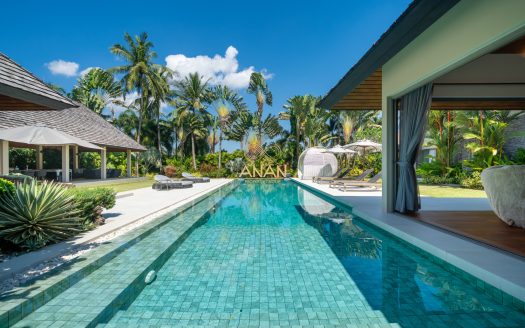
Ultra-Luxury 4-Bedroom Estate with Cinema & Gym near Layan Beach,...
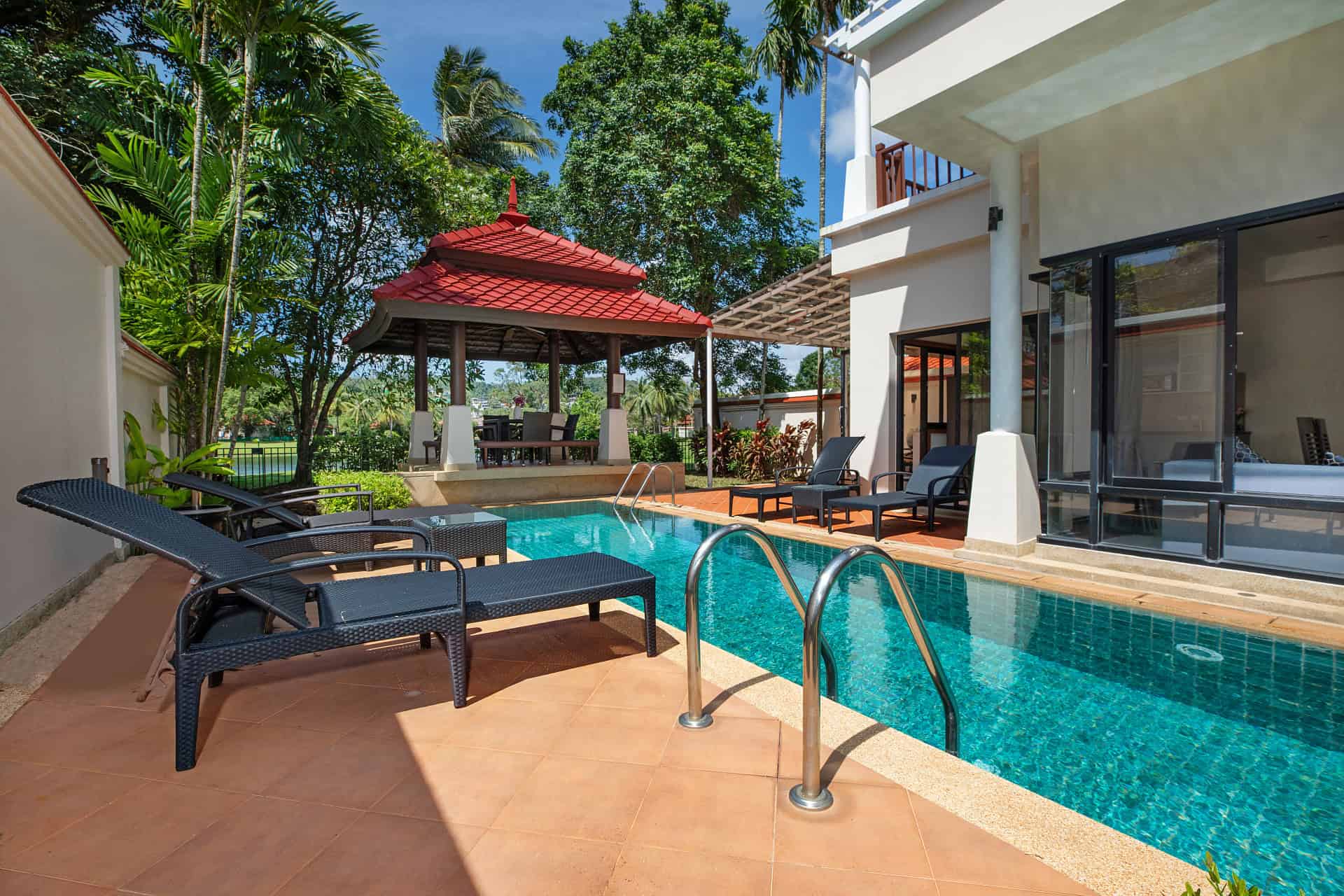
Luxury 4-Bedroom Lakefront Villa for Sale in Laguna Village (Angsana),...

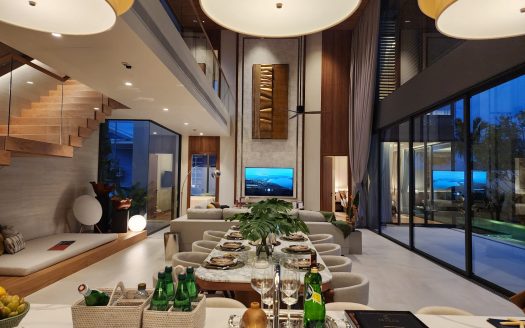
Luxury Smart Home Pool Villa for Sale in Bang Tao, Phuket – 5 Bedrooms...
Related reading