Phuket Pool Villa Inspection Checklist for Buyers
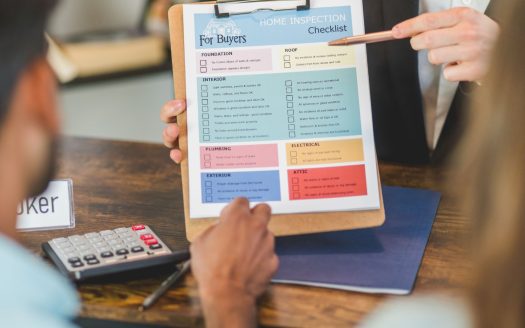
A Phuket pool villa inspection should cover structural condition, pool systems, utilities, safety features and legal compliance before any purchase commitment. Buyers should use qualified local inspectors, review title and permits with a lawyer, and factor ongoing maintenance into the true ownership cost. Inspection findings can support repair requests, price negotiation or a decision to walk away.
- Check foundations, roofs, drainage, walls and flooring for signs of movement, leaks, damp or poor maintenance.
- Test pool structure, pumps, filtration, plumbing, water quality, lighting and surrounding slip resistance.
- Have electrical, plumbing, air conditioning and safety systems inspected by qualified professionals.
- Verify Chanote title, permits, zoning, utilities, taxes, insurance and estate management obligations before signing.
- Use inspection results to negotiate repairs, adjust the price or reconsider the purchase.
Buying a pool villa in Phuket is a dream for many, offering both luxury and tropical comfort. However, behind the lush gardens and glistening pools, there could be hidden concerns that may cost buyers dearly after purchase. To make a truly informed decision, a thorough inspection is essential. This checklist-based guide walks you through every critical step — from checking infrastructure to ensuring compliance — so you can invest with complete confidence.
Understanding the Importance of Pool Villa Inspections
Buying property in Phuket, especially a pool villa, isn’t just about aesthetics or location. An inspection ensures that the structure, systems, and installations meet safety and functionality standards. Many buyers overlook inspections, lured by picturesque settings, only to be surprised later by costly repairs or legal disputes. A detailed villa inspection arms you with facts so you can negotiate better or decide if a property is even worth pursuing.
Phuket’s tropical climate, with its combination of salt air, heavy rain, and humidity, can accelerate wear and tear on any property. From seepage in roofs to corrosion on exterior fittings, issues might not be visible during a casual viewing. Regular maintenance is a must, but even well-maintained properties can hide problems if you don’t know what to look for.
Engaging a certified inspector who understands local construction methods is a worthwhile investment. Local professionals are familiar with common challenges faced by Phuket villas, such as salt damage, pests, or foundation settling on uneven terrain. Their expertise ensures nothing is overlooked, saving you from common pitfalls that foreign buyers might not anticipate.
An inspection report provides tangible value beyond simple peace of mind. It can strengthen your position during negotiations or help you request repairs before finalizing your purchase. The process gives transparency — something every buyer needs when navigating Thailand’s property market.
Finally, remember that an inspection is not a formality but a safeguard. It helps you foresee potential maintenance costs, ensuring you don’t commit to a glamorous villa that turns into a financial burden later. Due diligence upfront ultimately preserves your investment and your enjoyment of island living.
Key Structural Elements to Examine Carefully
Every villa inspection in Phuket should start with the fundamentals — the structure. Begin by assessing the foundation for cracks, uneven surfaces, or signs of subsidence. Tropical weather and shifting soils can take a toll on foundations, leading to costly structural issues down the line. Ensure that retaining walls and support beams are stable, especially for hillside or beachfront properties where erosion is a potential risk.
Next, observe the walls and ceilings carefully. Water stains, peeling paint, or damp patches may indicate leaks or poor waterproofing. Pay particular attention to areas near bathrooms, kitchens, and the pool zone. Mold and mildew are common in humid climates and could point to improper ventilation or drainage.
Examine the roof and gutters as well. Phuket’s heavy monsoon rains can expose any weaknesses in roofing materials. Tiles or metal sheets should be securely fastened and free from corrosion or cracks. An inspector will also look at insulation and ventilation in the attic or crawl spaces to ensure no trapped moisture compromises the villa’s longevity.
Doors, windows, and frames are equally telling. Warped wood or rusted metal elements may need replacement. Proper sealing around frames is crucial for energy efficiency and to prevent water ingress during rainstorms. Sliding glass doors, often popular in pool villas, should move smoothly without gaps that can invite pests or moisture.
Flooring materials must also be checked for consistency and safety. Loose tiles, uneven surfaces, or hollow sounds could reveal hidden problems. For villas with marble or stone flooring, ensure anti-slip finishes, especially near pool areas.
Lastly, assess the external landscape grading and drainage systems. Improper grading can channel water toward the villa instead of away from it, creating long-term damage. Having an expert ensure proper ground slope and runoff pathways can prevent many expensive headaches later.
Evaluating Pool Condition and Water Systems
The pool is a villa’s focal point — a luxury that sets the mood for tropical living. But beneath the shimmering water, there could be hidden technical and maintenance issues. Start by checking the pool’s structural integrity. Cracks, leaks, or missing tiles can be warning signs of deeper problems with the concrete shell or waterproofing layer.
Inspect the filtration and pump systems closely. These components work continuously to keep water clean, and any malfunction can quickly escalate maintenance costs. Pumps should run smoothly without strange noises, and filters must be inspected for clogging or outdated technology. Energy-efficient systems are preferable for long-term cost savings.
Look into pool plumbing and piping connections. In Phuket’s climate, underground pipes can shift due to soil movement or corrosion. A pressure test during inspection can reveal whether there are leaks in the system.
Chemical balancing and water quality must also be tested. Excessive chlorine residues or cloudy water indicate poor maintenance, which can corrode metal fittings over time. Remember also to verify that the villa’s water source and filtration system deliver clean and safe water for all uses.
The pool area’s decking and tiles should be slip-resistant and free of cracks or uneven spots. Broken edges not only detract from aesthetics but also pose safety hazards. Lighting around the pool is another key factor to examine, ensuring both function and compliance with safety standards.
Finally, request service logs and maintenance records from the seller. A well-documented history shows a well-cared-for pool. If records are missing, it might suggest inconsistent upkeep — a signal to negotiate repairs or preventive maintenance before purchase.
Checking Electrical, Plumbing, and Safety Features
A Phuket villa’s technical systems are as important as its architecture. Electrical systems must be inspected thoroughly to prevent fire hazards and ensure they meet Thai standards. Outdated wiring, inadequate grounding, or poorly secured breaker panels can be common issues in older villas. Always have a qualified electrician test all sockets, switches, and lighting fixtures.
Plumbing systems also deserve careful scrutiny. Check water pressure at all taps and showers, and inspect visible pipes for corrosion or leaks. In tropical conditions, galvanized pipes can rust quickly, so make sure newer PVC or PPR systems are used. Hot water systems should be appropriately installed and maintained, especially if powered by solar panels or heaters.
Safety features often make the difference between comfort and concern. Ensure there are properly functioning smoke detectors, fire extinguishers, and emergency exits. Railings, staircases, and balconies must meet structural safety standards, particularly in multi-level villas.
Outdoor electrical lines are another area of focus. Pool lights and garden lighting should be waterproof and compliant with local regulations. Poor insulation or exposed wiring near wet areas can be extremely dangerous.
Security systems, such as CCTV and gate automation, add another layer of safety. Confirm these systems are functional and properly maintained. A reliable control system enhances your security and peace of mind.
Don’t forget ventilation and air conditioning units. Proper airflow reduces humidity, which helps prevent mold growth. Checking A/C efficiency and duct cleanliness can also save significant energy costs over time.
Reviewing Legal Documents and Property Compliance
Beyond physical condition, legal and regulatory compliance is vital when buying a Phuket pool villa. Start with ownership documents. Confirm that the title deed (Chanote) clearly identifies the parcel and boundaries. Work with a lawyer familiar with Thai property law to verify there are no liens, encumbrances, or disputes attached to the property.
Zoning and land use permissions must also align with your intended use. Some areas in Phuket have restrictions on villa construction close to the beach or forested zones. Ensure the villa was built in accordance with approved building permits and environmental regulations.
Common in Phuket, many villas belong to residential developments governed by a juristic person or estate management. Review homeowners’ association (HOA) regulations and maintenance fees carefully. These documents outline your rights and responsibilities as a buyer.
Another crucial step is verifying utility connections — water, electricity, and waste treatment — are legally installed and billed through proper authorities. Illegal connections could lead to service disruption or fines later.
If purchasing through a company structure or leasehold agreement, understand the implications on transfer procedures and renewals. Foreign ownership laws in Thailand can be complex, but transparency and professional guidance will protect your interests.
Lastly, obtain copies of previous property tax receipts, insurance policies, and maintenance contracts. A legitimate seller should readily provide these, demonstrating responsible ownership and compliance with local regulations.
Final Tips Before Committing to Your Phuket Villa
Once inspections and document checks are complete, take time to process your findings calmly. Avoid rushing under emotional excitement or pressure from sellers. A patient, deliberate decision minimizes regret and maximizes your investment’s long-term satisfaction.
If the inspection report highlights issues, don’t hesitate to negotiate repairs or a price adjustment. Sellers often anticipate this step, especially in Phuket’s competitive property market. Always document agreements in writing to avoid misunderstandings later.
Consult legal and financial advisors before signing any commitment. Professionals can clarify contract terms, payment schedules, and hidden costs such as transfer fees or taxes. Knowing every financial aspect upfront prevents stressful surprises.
Consider the villa’s future maintenance needs too. Pools, gardens, and seaside exposure require ongoing care. Include these anticipated costs in your budget estimation so you understand the true cost of ownership, not just the purchase price.
Visit the property at different times of day to observe noise levels, sunlight, and surrounding activity. This helps you judge if the environment truly suits your preferences for privacy and lifestyle.
Finally, trust both professional insight and personal intuition. A well-inspected, legally verified villa in Phuket can offer rewarding returns and years of enjoyment. Your diligence today ensures that your tropical home remains a safe and serene sanctuary tomorrow.
A Phuket pool villa offers unmatched beauty and comfort, but only if backed by informed decisions. By following a meticulous inspection checklist — from structural reviews to legal verification — buyers gain not only confidence but also leverage. With professionals by your side and comprehensive checks in place, your investment transforms from a gamble into a truly rewarding experience in one of Thailand’s most exquisite destinations.


Ayara Villa | Sea View Luxury Villa in Surin, Phuket


Baan Banyan | Iconic Sea View Estate on Kamala Headland, Phuket

Luxury Pool Villas in Pasak Soi 8, Cherng Talay (Bang Tao), Phuket
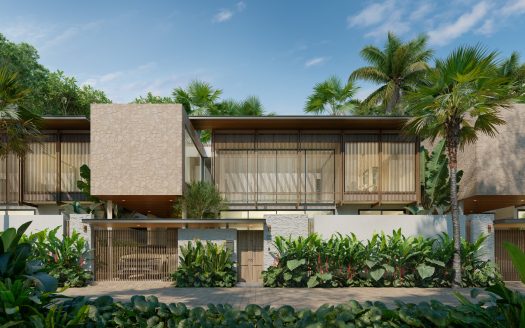
Luxury Pool Villas in Pasak Soi 8, Cherng Talay (Bang Tao), Phuket
Final Two Luxury Pool Villas in Bang Tao | Ready to Move In
Ultra-Luxury 4-Bedroom Estate with Cinema & Gym near Layan Beach,...
Related reading