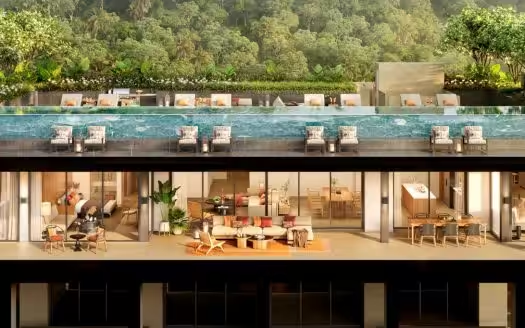
How to Buy Beachfront Property in Phuket

Buying beachfront property in Phuket requires careful assessment of location, ownership structure, legal compliance and long-term management. Foreign buyers should understand Thai land restrictions, complete due diligence on titles and permits, and compare areas based on rental demand, privacy, infrastructure and resale potential. Professional legal, agency and property management support can reduce risk and protect value.
- Foreigners can own condominium units outright, but villas and land usually require leasehold or compliant company structures.
- Check for Chanote title, zoning approval, building permits and coastal environmental compliance before committing.
- Patong favours rental demand, while Surin, Bang Tao, Layan and Cape Yamu suit privacy and luxury buyers.
- Budget for taxes, transfer costs, legal fees and ongoing maintenance, especially for salt-air beachfront properties.
- Use qualified local lawyers, agents and managers to support due diligence, purchase procedures and rental operations.
Buying beachfront property in Phuket is a dream for many — a chance to own a slice of paradise on one of Thailand’s most beautiful islands. With crystal-clear waters, breathtaking sunsets, and a thriving tourism industry, Phuket’s real estate market offers both luxury and investment potential. However, purchasing beachfront property here requires more than just choosing your favorite view. It involves understanding the local market dynamics, Thai property law, location-specific nuances, and long-term management strategies. The following guide will help you navigate every stage of buying beachfront property in Phuket, from initial research to ownership and beyond.
Understanding Phuket’s Beachfront Real Estate Market
Phuket has long been regarded as a premier destination for high-end real estate in Southeast Asia, attracting both investors and lifestyle buyers. The island offers a range of beachfront options — from private villas on secluded stretches of sand to condominium projects with resort-style amenities. Demand fluctuates based on tourism trends, global economic shifts, and infrastructure developments on the island. For instance, new roads or marina projects can quickly elevate demand in nearby areas.
Property prices vary widely depending on proximity to popular beaches such as Patong, Kata, Karon, and Surin. While Patong offers high rental yields due to its nightlife and tourist traffic, quieter areas like Nai Harn or Cape Yamu attract buyers seeking exclusivity and tranquility. Over recent years, the market has matured, with developers focusing on premium standards, sustainable construction, and foreign-friendly ownership structures.
Foreign buyers are a significant driver of Phuket’s property market, with investors coming mainly from China, Russia, Europe, and Australia. Many are looking for investment properties that can generate rental returns while also functioning as holiday homes. Despite occasional market slowdowns, the long-term outlook for Phuket’s beachfront real estate remains optimistic, given the island’s enduring appeal and steady inflow of foreign capital.
Buyers interested in beachfront property should analyze not just the price but also the surrounding area’s development potential. A property located in an area with planned infrastructure or future resort projects may appreciate faster. On the other hand, oversaturated areas may offer stable but lower returns. Understanding local trends therefore forms the foundation of a sound investment.
Additionally, it’s essential to follow reputable local real estate reports and consult trusted agents who specialize in beachfront properties. They can provide access to off-market listings and insights into emerging hotspots. Having a clear picture of market trends before making a commitment helps investors purchase confidently and strategically.
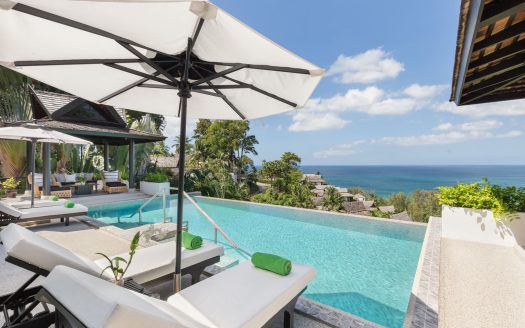
Luxury 5-Bedroom Ocean View Villa at Ayara Surin, Surin Beach


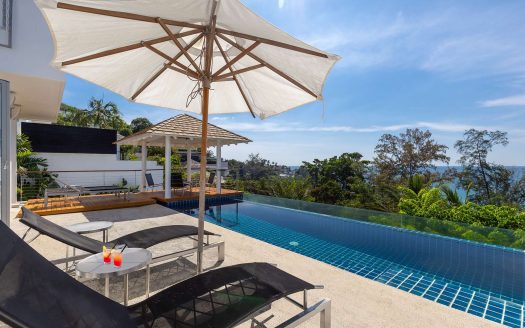
Fully Refurbished Sea View Luxury Villa: A Coastal Sanctuary at Surin ...
Key Legal Considerations for Foreign Buyers
Thai property law has unique restrictions for foreign ownership, which must be understood before entering into any transaction. The main one is that foreigners cannot directly own land in Thailand. However, they can own condominium units, provided that foreign ownership in the building does not exceed 49% of the total units. For beachfront property, this means that condominiums can be purchased outright, but villas or standalone houses on land involve more complex structures.
One common approach is the leasehold arrangement, where a foreign buyer leases the land for a term of 30 years, often with renewal clauses. Another option involves setting up a Thai limited company to hold the land, though this method must be structured carefully to comply with legal requirements regarding Thai majority ownership. These legal pathways highlight the importance of consulting a qualified Thai property lawyer before making any commitments.
Foreign buyers should also ensure that any development project they are investing in has received the proper building permits and environmental clearances. Beachfront properties in particular often fall under strict regulations aimed at protecting coastal zones. Violations of these laws could lead to demolition orders or fines.
Due diligence is not optional — it’s essential. This process includes verifying land titles, ensuring correct zoning classification, and confirming that no encumbrances or disputes exist. Thai law recognizes several types of land titles, but only the “Chanote” title offers full ownership rights and can be legally transferred or mortgaged. Buyers should avoid properties that do not have a Chanote title unless they fully understand the associated risks.
Working with a reliable Thai lawyer who can conduct background checks and draft bilingual contracts will greatly reduce legal exposure. Clear agreements regarding ownership structure, lease renewals, and succession rights can safeguard a buyer’s long-term interests. When done properly, foreign investors can confidently enjoy their beachfront dream home in full legal compliance.
Choosing the Right Beachfront Location in Phuket
Each coastal area of Phuket offers its own distinct appeal. Patong Beach, for example, is known for its vibrant nightlife, shopping, and restaurants, making it an excellent choice for those seeking high rental yields and convenience. However, it can be noisy and crowded, which might not suit those looking for peace and privacy. Kata and Karon beaches strike a balance between activity and relaxation, offering family-friendly environments and good community facilities.
For buyers seeking exclusivity and scenic tranquility, Surin, Bang Tao, and Layan are ideal. These upscale areas feature luxury resorts, private villas, and international-standard beach clubs. They attract a sophisticated clientele and tend to maintain high property values due to limited supply. Laguna Phuket, in particular, is a well-established integrated resort area that guarantees sound infrastructure and professional property management.
Nai Harn and Rawai, located toward the south of the island, are popular among long-term expatriates. These areas retain a more laid-back, authentic Thai atmosphere while still offering beachfront proximity. Rawai also has easy access to the nearby islands, appealing to those who enjoy boating or fishing. Cape Yamu and Ao Po on the east coast, though less suitable for swimming, offer panoramic views and proximity to yacht marinas — ideal for luxury villa buyers.
When choosing a location, it’s crucial to consider your objectives. If your goal is rental income, focus on areas with consistent tourist traffic. If long-term lifestyle and privacy are priorities, quieter beaches may serve better. Additionally, review local amenities such as schools, hospitals, and supermarkets, especially if you plan to live on the island full-time.
Accessibility is another determining factor. Properties closer to Phuket International Airport, main highways, or major marinas often command higher demand. As Phuket continues to grow, new infrastructure projects can significantly impact property value in specific areas. Conducting visits during different times of the year is also recommended, as some beaches experience seasonal variation in water conditions and crowd levels.
Evaluating Property Types and Investment Potential
Beachfront properties in Phuket can generally be classified into condominiums, villas, resort residences, and leasehold plots. Condominium units remain the most straightforward option for foreign buyers, as they can be legally owned outright and often come with robust management and rental programs. These properties also tend to offer excellent liquidity should you wish to sell later.
Private villas and houses offer more space and privacy, often with direct beach access and spectacular ocean views. However, owning such properties as a foreigner typically involves navigating leasehold or corporate structures. Villas appeal strongly to high-net-worth individuals seeking exclusivity and holiday-home use, but they may involve higher maintenance and management costs than condominiums.
Beachfront resort residences — hybrid arrangements that combine private ownership with hotel-style management — are becoming increasingly popular. They allow buyers to use their unit during certain periods and earn income when it’s rented out to tourists. This model offers both luxury and return potential, making it attractive for investment-minded buyers.
When evaluating investment potential, it’s vital to consider factors such as occupancy rates, projected rental yields, and future tourism growth. Phuket’s reputation as a top international destination ensures steady demand, but competition in the premium segment can limit yield growth. Analyzing comparable rental rates and consulting local rental management companies provides realistic income expectations.
Resale prospects should also influence your decision. Properties in areas with upcoming infrastructure or limited land supply typically appreciate faster. Additionally, investing in developments managed by reputable international brands can boost both short-term rental performance and long-term capital growth.
Finally, remember that beachfront properties are luxury assets tied to lifestyle as much as financial return. Buying for both enjoyment and appreciation — balancing passion with prudence — often leads to the most satisfying outcome.
Navigating Purchase Procedures and Local Regulations
The process of buying beachfront property in Phuket usually starts with reserving the property and signing a reservation agreement. This often involves a small deposit to secure the unit while legal checks are completed. Once due diligence is satisfactory, the buyer and seller enter into a sale and purchase agreement outlining payment schedules, transfer terms, and any conditions such as completion dates or furnishing inclusions.
For condominium purchases, ownership transfer occurs at the Land Office, where government officers verify documents and register the transaction. In leasehold or company-structured acquisitions, the process involves additional documentation, including lease registration or company share transfers. In all cases, official receipts and tax records should be carefully maintained for future reference.
Several government fees and taxes apply, including transfer fees, specific business tax (if applicable), and income tax from the seller’s side. Buyers should also plan for legal and registration fees, which are generally shared but negotiable. These costs usually total between 6% and 8% of the property price.
Local regulations also govern building restrictions along the coastline. For beachfront properties, there are zoning laws that dictate how close a structure can be to the waterline, maximum allowable height, and environmental protection mandates. Buyers must ensure full compliance with these regulations to avoid future complications.
Using a licensed property agent with local expertise is advisable. They can coordinate communications with developers, lawyers, and government offices. Transparent transactions, supported by reliable professionals, ensure that your purchase complies with both Thai law and ethical real estate practices.
Before finalizing the purchase, it’s wise to spend time in Phuket, thoroughly inspect the property, and get familiar with the surrounding community. This hands-on approach prevents unexpected surprises and helps solidify your confidence in making such a significant investment.
Tips for Long-Term Ownership and Property Management
Owning a beachfront property in Phuket goes beyond the purchase. Maintaining and managing your property effectively ensures both its longevity and profitability. Many buyers choose to hire professional property management firms that handle everything from routine maintenance to guest services, especially if the property is rented out to tourists.
Beachfront exposure means salt air, humidity, and tropical weather conditions, all of which can accelerate wear and tear. Regular maintenance of the structure, exterior finishes, and drainage systems is crucial to preventing costly repairs. Using high-quality materials and hiring local contractors familiar with coastal environments helps maintain property value over time.
For investment properties, a well-managed rental strategy is essential. This includes listing on credible booking platforms, maintaining responsive communication with guests, and ensuring that the property is always in top condition. Some developments offer turnkey rental programs, which can simplify operations while providing a consistent income stream.
Insurance is another key consideration. Comprehensive coverage that includes natural disaster protection, property damage, and liability is recommended. Foreign owners should also review the process of renewing leases or ownership structures ahead of time to prevent complications.
Long-term owners often find that cultivating good relationships with neighbors, local officials, and community organizations enhances their experience. Participating in local environmental initiatives or beach-cleanup programs can also enrich your connection to the area and contribute positively to Phuket’s ecosystem.
Finally, property ownership in Phuket should be viewed as both a lifestyle privilege and a financial commitment. With careful planning, legal compliance, and smart management, your beachfront property can provide lasting enjoyment and solid returns — a true tropical investment that stands the test of time.
Buying beachfront property in Phuket is a rewarding but complex process that calls for knowledge, patience, and professional guidance. From understanding the island’s market trends to navigating Thailand’s property laws, each step plays a crucial role in securing a safe and profitable investment. With foresight in location choice, legal compliance, and long-term care, buyers can transform a dream into a sustainable reality. Whether you’re seeking a retirement sanctuary, a vacation home, or a luxury investment, Phuket’s pristine shores promise both beauty and opportunity for those prepared to invest wisely.
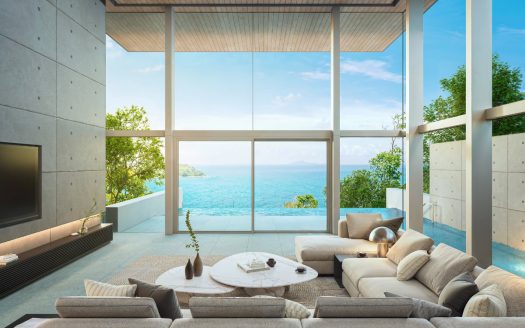
Ultra-Luxury 4 to 5-Bedroom Beachfront Villas: A Coastal Masterpiece i...
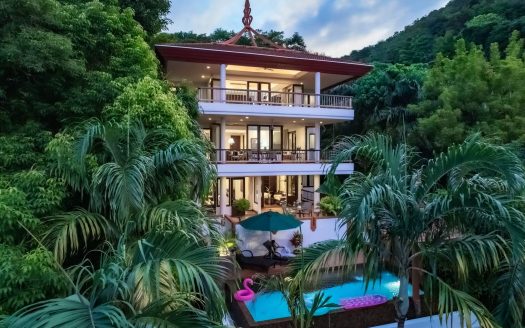
For Sale | Architectural Sea View Masterpiece – Rawai, Phuket
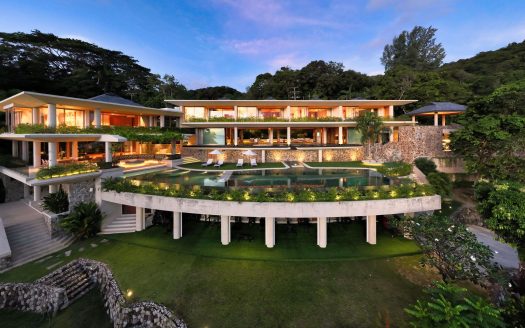
For Sale | Ultra-Luxury Oceanfront Estate – Millionaire’s Mile, Kamala...
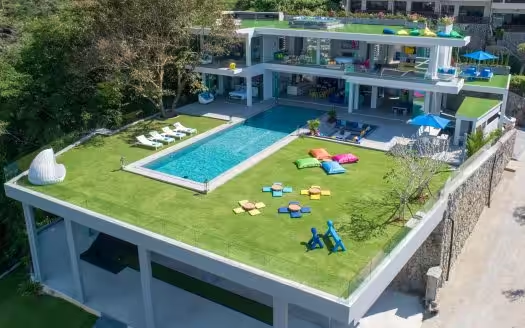
Panoramic Sea View Investment Villa in Patong – 5 Bedrooms, THB 180M

Globally Branded Sea-View Condominiums: A 5-Star Sanctuary at Patong B...
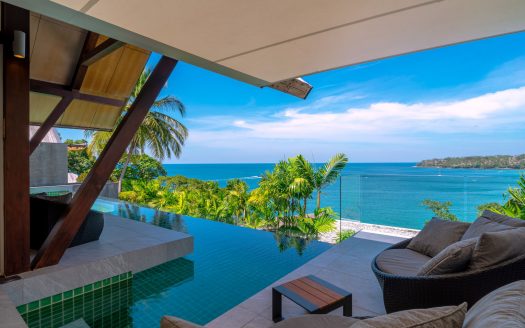
Ultra-Luxury 4-Bedroom Oceanfront Villa: A Freehold Trophy Asset in Su...
Related reading