How to Buy Beachfront Property in Phuket
Beachfront property in Phuket is scarce, tightly regulated and often misunderstood, with private ownership limited to land adjoining the public beach rather than the beach itself. Buyers must verify title boundaries, coastal setbacks, construction permits and foreign ownership structures before committing. Prime locations such as Kamala, Bang Tao, Surin, Nai Thon and Natai offer different balances of privacy, rental demand and long-term capital growth.
- No private party owns the beach in Thailand; beachfront means land adjoining public beach up to the high-tide mark.
- Coastal setback and height rules directly determine what can legally be built near the water.
- Foreign buyers typically use freehold condominium ownership, registered leasehold, or a compliant Thai company structure.
- Independent surveys, permit checks and title verification are essential before paying a non-refundable deposit.
- Prime beachfront and near-beach condos can generate gross rental yields of 7 to 12% under professional management.
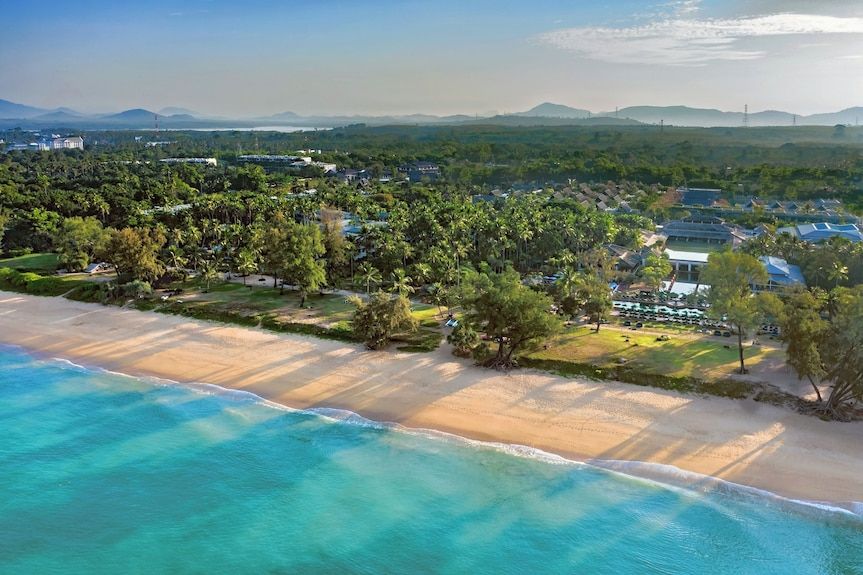
Beachfront property in Phuket commands a premium that is unlike anything else in the Thai market. Beachfront land accounts for less than 3% of the island’s total area, and very little of it ever changes hands. When it does, the buyer stepping into that transaction needs to understand a set of legal, regulatory, and practical considerations that simply do not apply to a hillside villa or a mid-island condo. This guide covers what genuine beachfront ownership means in Thailand, what the law permits near the water, which locations on Phuket’s coastline offer the best combination of access and investment value, and what due diligence looks like for this category of property.
Buyers exploring available stock can browse our Phuket beachfront villas for sale. For buyers at an earlier stage of the journey, the Anan Phuket buying guide covers the full acquisition process from start to title transfer.
What Beachfront Property Actually Means in Phuket
The first thing buyers should understand is that no private party in Thailand owns the beach itself. Under Thai law, all beach areas up to the high-tide mark are public land. Privatisation of the coastline is prohibited. What buyers purchase when they acquire “beachfront” property is land directly adjacent to that public beach, with immediate beach access but without exclusive rights to the sand or water in front of the property.
That distinction matters because the marketing language used in Phuket varies considerably. There is a meaningful difference between:
- Absolute beachfront: The property boundary sits directly at the high-tide line. Beach access is immediate, from the garden or pool deck to the sand with no road, fence, or third-party land in between.
- Beach access: The property has a path or right of way to the beach, but is set back. Common in resort communities and gated estates.
- Sea view: No direct beach access. The property faces the sea from a hillside, headland, or elevated position. These can command significant prices but are a different product.
Understanding which category a listed property falls into requires physical inspection of the title deed boundary in relation to the actual waterline, not reliance on marketing descriptions. This is one reason independent legal due diligence is especially important for beachfront purchases.
| Beachfront land makes up less than 3% of Phuket’s total area. The island has 39 named beaches. The supply of genuine beachfront plots that can be legally developed is fixed, which creates the structural scarcity underpinning long-term price appreciation in this segment. |
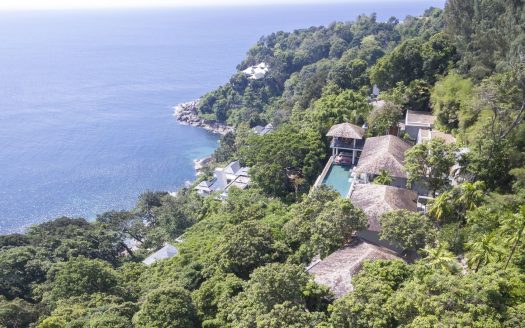
Ultra-Luxury 6-Bedroom Oceanfront Estate: A Trophy Sanctuary in Kamala


Iconic 4-Bedroom Oceanfront Super Villa: A Coastal Masterpiece in Kama...
Coastal Building Laws Every Buyer Must Know
Thailand’s building regulations impose clear height and setback restrictions on construction near the beach. These apply island-wide and are strictly enforced in Phuket, particularly following increased regulatory scrutiny of hillside and coastal developments in recent years. Every buyer of beachfront or near-beach land must understand these rules before purchase, because they directly determine what can be built and to what scale.
| Distance from High Tide | Max Building Height | Notes |
| Within 20 metres | No construction | This zone is effectively undevelopable, typically reflected in the title deed boundary |
| 20 to 50 metres | 6 metres | Low-rise only; one storey plus roof. Pools and landscaping can occupy this zone |
| 50 to 200 metres | 12 metres | Max footprint 2,000 sqm. Most beachfront villas are built in this band |
| Beyond 200 metres | 12 metres | Standard residential zoning; height depends on road width |
| Hillside (40m+ elev.) | 6 metres | Elevation-based limit regardless of distance from the beach |
The practical implication for buyers is that genuine beachfront property cannot support the multi-storey development that prices in some markets might suggest. Most luxury beachfront villas in Phuket sit in the 50 to 200-metre band, typically one to two storeys. Properties claiming beachfront status with the building footprint in the 20 to 50-metre zone should have their construction permits carefully reviewed by an independent lawyer: buildings constructed without the correct permit in this zone face legal challenge regardless of how long they have been standing.
Ownership Structures for Foreign Buyers
Thailand’s Land Code Act prohibits foreign nationals from owning land freehold. For beachfront property, which is almost always land-dependent, this creates an ownership question that every foreign buyer must resolve before purchase. The three main paths are:
Freehold Condominium
Where a beachfront or near-beach development is registered as a condominium, foreign buyers can own individual units outright, provided the building’s foreign quota (49% of total floor space) has not been reached. This is the most legally secure ownership structure available to foreign nationals in Thailand. The title received is a Chanote condominium title registered in the buyer’s name at the Land Department. In popular beachfront buildings, this quota often sells out during the pre-launch phase, so buyers should verify quota availability before any deposit is paid.
Registered Leasehold
For beachfront villas and landed property, the standard structure for foreign buyers is a 30-year lease registered at the Land Department. Many leases are structured with two optional renewal periods of 30 years each (the 30+30+30 arrangement), though a 2025 Thai Supreme Court ruling confirmed that renewal clauses are contractual commitments, not automatic property rights. The quality of the developer or landowner therefore matters considerably: a lease over land held by a well-capitalised developer carries less renewal risk than one over a private landowner’s title.
For a full explanation of how these structures work in practice, our article on foreign ownership of villas and condos in Thailand covers the legal details and the questions buyers should ask before committing.
Thai Company Structure
A Thai company limited can own land freehold. Some buyers use this structure for beachfront villas. However, Thai authorities have increased scrutiny of nominee shareholder arrangements, where the company is technically Thai but effectively controlled by a foreign buyer. Buyers considering this route should obtain qualified legal advice from an independent firm: the structure must be genuinely compliant, not nominally so. A poorly constructed company structure is a liability, not an asset.
The Best Beachfront Locations in Phuket
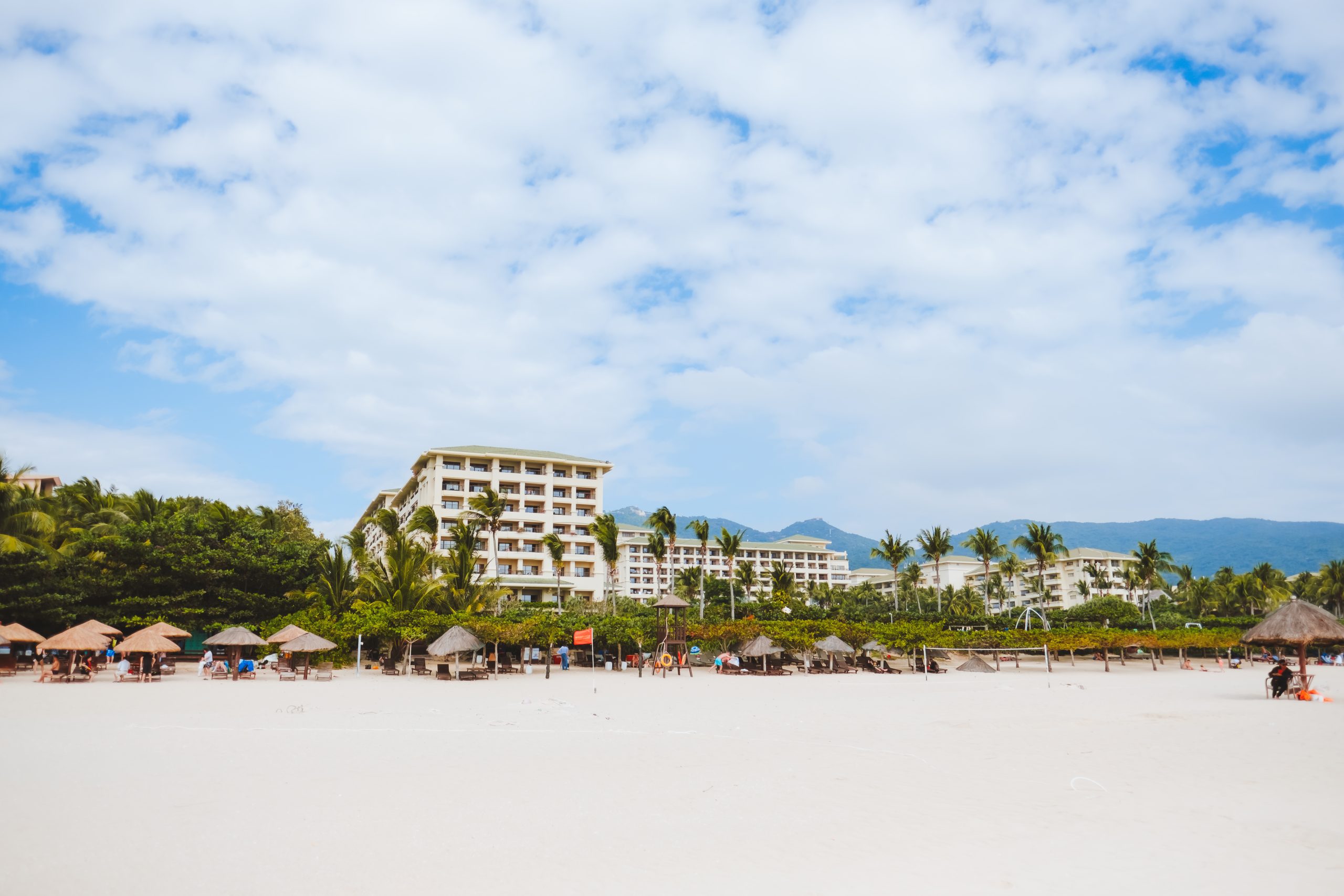
Phuket’s 39 beaches vary considerably in character, development level, and the type of beachfront property available. The following locations represent the strongest combination of market depth, legal title quality, and long-term investment fundamentals:
| Location | Character | Property Type | Best For |
| Kamala / Millionaire’s Mile | Ultra-premium, clifftop and beachfront | Villas, branded residences | Trophy assets, capital growth |
| Bang Tao / Layan | Lifestyle hub with beach access | Condos, managed villas | Yield, family market |
| Surin | Intimate, celebrity enclave | Villas, boutique projects | Privacy, capital value |
| Nai Thon | Quiet, low density, national park edge | Villas, small condos | Value, long horizon |
| Natai (Phang Nga) | Ultra-private, north of Phuket | Large estates, villas | Maximum privacy, space |
Kamala and Millionaire’s Mile represent the peak of Phuket’s beachfront market. The cliffside villas north of Kamala Beach include some of the most recognised properties on the island, with panoramic ocean exposure and strong resale liquidity. For buyers focused on this area, our Kamala and Millionaire’s Mile area page provides current listing context and neighbourhood detail.
Bang Tao and Layan offer a different profile: genuine beachfront access within a mature lifestyle ecosystem, with beach clubs, international schools, and a deep rental market all within easy reach. The Bangtao and Laguna area guide covers current stock and the neighbourhood’s investment fundamentals in full.
Beachfront Property Prices in 2026
Genuine beachfront property carries a substantial premium over comparable inland stock. Entry points and price ceilings vary significantly by location and product type:
| Property Type | Entry Range | Upper Range / Notes |
| Beachfront condo (1-bed) | THB 8M to 20M | Foreign freehold; quota availability varies by project |
| Beachfront condo (2-bed) | THB 15M to 40M | Sea view and direct beach access projects command highest premiums |
| Beachfront villa (3-4 bed) | THB 80M to 200M | Leasehold or company structure; Kamala/Surin at upper end |
| Absolute beachfront estate | THB 200M to 700M+ | Trophy assets; off-market transactions common at this level |
| Natai / Nai Thon villa | THB 40M to 120M | Lower density, value relative to Kamala; strong appreciation trend |
Price appreciation for beachfront and prime west coast villas ran at 12 to 18% per year through 2024 into 2025, outpacing inland condominiums by a significant margin. With supply permanently constrained by coastal zoning and national park boundaries, the structural case for continued appreciation remains stronger in the beachfront segment than almost anywhere else in the Thai market.
The Investment Case: Yields and Capital Appreciation
Beachfront property in Phuket serves two investment functions simultaneously. In the short term, well-managed beachfront villas and condos achieve premium rental rates driven by the scarcity of the product and the specific demand from high-net-worth visitors willing to pay significantly more for genuine beach access. In the medium to long term, the structural supply constraint on beachfront land underpins capital appreciation that is largely independent of the broader market cycle.
| Beachfront and near-beach condos in prime zones generate gross rental yields of 7 to 12% per year under professional short-term rental management, with nightly rates in high season significantly above the island average. Management fees of 20 to 30% of revenue apply, so net yield underwriting should use realistic occupancy of 65 to 75% and factor management costs before committing to a yield assumption. |
For buyers whose primary objective is investment return rather than personal use, our exclusive beachfront and luxury listings include off-market properties and managed residences where rental performance data is available for buyer review.
Due Diligence Specific to Beachfront Property
Beachfront due diligence has several layers that do not apply to standard villa or condo purchases. Each should be completed before any binding contract or non-refundable deposit is paid:
- Verify the title against the high-tide line. An independent surveyor should confirm that the title deed boundary does not encroach on public beach land and that the construction sits within the legally permitted setback zone. Title boundaries shown on paper and physical boundaries on the ground do not always match.
- Review all construction permits against as-built. Buildings in the 20 to 50-metre zone especially require this check. A building constructed without the correct permit carries the risk of enforcement action regardless of how long it has stood.
- Confirm the foreign freehold quota (for condos). In beachfront projects, the foreign quota often fills early and is not always accurately disclosed by selling agents. Verify directly with the Land Department or the building’s juristic management.
- Check the FETF requirement for condo freehold. Foreign buyers purchasing a freehold condo unit must transfer funds from overseas in foreign currency. The receiving Thai bank issues a Foreign Exchange Transaction Form (FETF) at the point of transfer. Without this document, the Land Department will not register freehold title in a foreign name. Plan the fund transfer structure before exchange of contracts.
- Assess the developer or seller. For off-plan beachfront projects, financial credibility of the developer matters. Request evidence of land ownership and construction permits before paying any reservation deposit. Staged payments tied to construction milestones are standard practice and protect the buyer.
Working through a professional Phuket buyer’s agent coordinates this due diligence process, interprets findings in a local market context, and provides negotiating leverage based on condition and compliance — particularly valuable in the beachfront segment where mispricing is common and comparable sales are rare.
Mistakes Beachfront Buyers Make
| The most common and costly mistake in beachfront buying is purchasing based on marketing language and photography rather than title deed verification and permit review. Absolute beachfront, beach view, and beach access are three genuinely different products. The distinction between them is found in documents, not brochures. |
Additional mistakes that regularly surface in beachfront transactions:
- Accepting a seller’s characterisation of the high-tide boundary without commissioning an independent survey. The distance from the building to the actual high-tide line determines what can be done with the property, not what the brochure says.
- Assuming that a well-known resort neighbour validates the title. Established hotel or resort neighbours confirm the area’s prestige, not the legal quality of a specific plot’s title or permits.
- Paying a deposit before an independent lawyer has reviewed the title, permits, and ownership structure. Deposits in Phuket are generally non-refundable once paid; due diligence must come first.
- Ignoring the foreign quota status of beachfront condo projects. In sought-after buildings, the quota fills quickly and is not always disclosed proactively by sellers or their agents.
- Underestimating ongoing maintenance costs in a coastal environment. Salt air, humidity, and monsoon weather accelerate wear on all building materials, pool finishes, and mechanical systems. Budget 2 to 3% of property value annually for serious maintenance in beachfront locations.
Buyers who take the time to understand Phuket’s beachfront market from the legal and regulatory side before viewing properties are consistently better positioned. The Anan buyer’s agent team works exclusively with purchasers, not sellers, and provides frank market guidance on the beachfront segment — including current pricing, which properties have clean titles, and where value exists relative to asking prices.

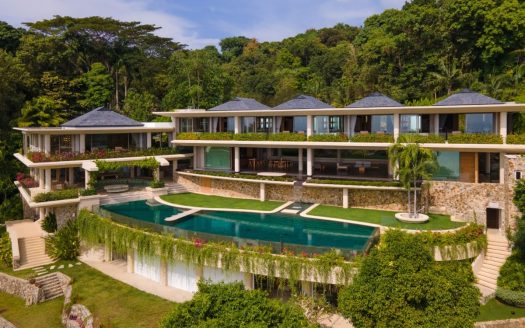
Ultra-Luxury 5-Bedroom Oceanfront Estate: A Waterfall Sanctuary in Kam...
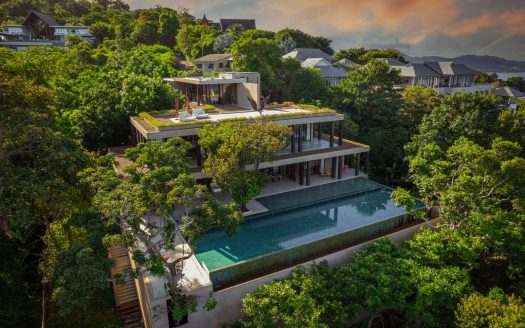
Ultra-Luxury 5-Bedroom Oceanfront Super Villa: A Trophy Asset on Milli...
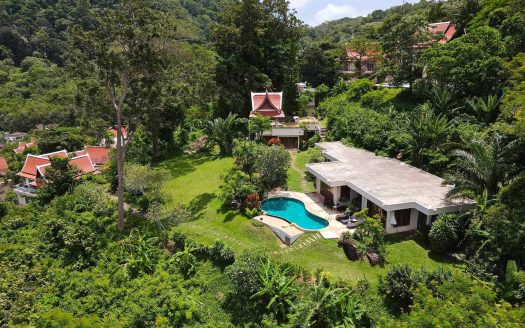
Panoramic 7-Bedroom Oceanview Estate: A Sprawling 3-Villa Compound in ...
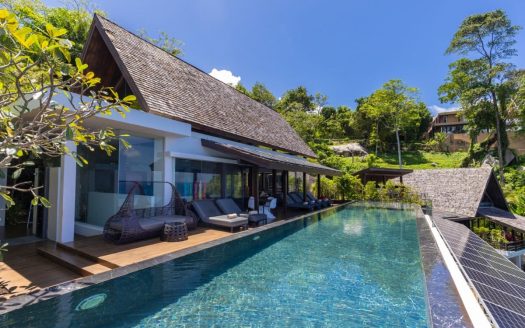
Iconic 1-Bedroom Oceanfront Luxury Villa: A Cliffside Sanctuary on Mil...

Globally Branded Luxury Residences: 5-Star Living on Millionaire'...
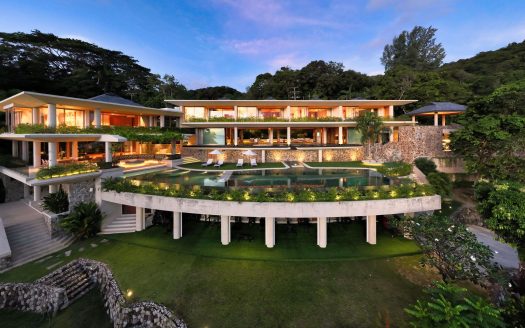
For Sale | Ultra-Luxury Oceanfront Estate – Millionaire’s Mile, Kamala...
Related reading