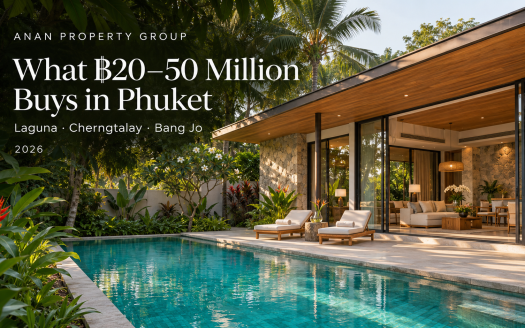
Phuket Real Estate Market Outlook: Trends and Predictions for 2026

Phuket’s 2026 property market is expected to stay active, supported by tourism recovery, foreign demand, lifestyle migration and limited prime land. Buyers are becoming more selective, favouring strong locations, reputable developers, clear ownership structures, professional management and realistic rental prospects. Luxury villas, branded residences and well-located condos should outperform, while infrastructure strain, rising prices and regulatory issues require careful due diligence.
- Prime west coast areas should remain strongest, especially near beaches, schools, marinas, wellness facilities and lifestyle hubs.
- Foreign buyers should check freehold quota, lease terms, legal compliance and rental rules before committing.
- Luxury villas and branded residences are likely to stay resilient where land is scarce and management is strong.
- Rental returns depend on net yield, seasonality, operating costs, building rules and professional management.
- Infrastructure, utilities and traffic conditions will increasingly affect both liveability and long-term property values.
Phuket’s real estate market is entering 2026 with strong momentum, but also with a more mature and selective buyer landscape. After several years of tourism recovery, lifestyle migration, and renewed international interest, the island is no longer viewed only as a holiday-home destination. It is increasingly seen as a place to live, work, invest, and build long-term wealth. The outlook for 2026 points to continued demand in prime areas, rising interest in managed luxury properties, and growing pressure on infrastructure, pricing, and land availability.
Phuket Real Estate Outlook: What 2026 Holds
Phuket’s real estate market in 2026 is expected to remain active, supported by tourism growth, foreign investment, and strong lifestyle demand. The market has moved beyond the post-pandemic rebound phase and is now entering a more stable but competitive cycle.
Prices are likely to keep rising in prime locations, especially where land is limited and demand remains consistent. Areas close to beaches, international schools, marinas, wellness facilities, and lifestyle hubs should continue to command premium values.
However, 2026 may also bring a more cautious buying environment. Investors are becoming more analytical, looking closely at developer reputation, rental performance, ownership structure, and long-term resale potential.
The biggest shift will be from speculative buying toward quality-driven purchasing. Buyers are expected to favor completed or near-completed projects, reputable developers, strong property management, and clear legal documentation.
Phuket’s west coast will remain the island’s most sought-after real estate corridor. Locations such as Bang Tao, Laguna, Kamala, Surin, Kata, and Nai Harn are expected to keep attracting both lifestyle buyers and investors.
At the same time, inland and emerging areas may gain attention as affordability becomes more important. Locations with better road access, community facilities, and proximity to schools may see stronger demand from families and long-stay residents.
The market will also become more segmented. Luxury villas, branded residences, and beachfront or sea-view condos may outperform, while poorly located or generic projects could face slower absorption.
Overall, the 2026 outlook is positive, but not uniformly so. Phuket remains one of Asia’s most attractive island property markets, yet buyers and investors will need to be more selective than in previous years.
Key Demand Drivers Shaping Phuket Property
Tourism remains the foundation of Phuket’s real estate demand. As international arrivals continue to recover and flight connectivity improves, confidence in rental income and capital appreciation is likely to strengthen.
The island’s appeal as a lifestyle destination is another major driver. More buyers are looking at Phuket not just for holidays, but as a base for part-time or full-time living.
Remote work continues to support demand for larger homes, villas, and condominiums with work-friendly layouts. Buyers increasingly want fast internet, quiet spaces, wellness amenities, and access to cafes, gyms, and co-working environments.
International schools are also influencing buying patterns. Family buyers often prioritize areas such as Cherng Talay, Laguna, Kathu, and Rawai because of access to education, healthcare, and daily conveniences.
Healthcare and wellness tourism are becoming more important to the property market. Phuket’s growing reputation for wellness retreats, medical services, fitness centers, and healthy living adds value to residential communities.
Limited land supply in prime coastal zones is another key factor. As beachfront and sea-view sites become harder to secure, existing properties in desirable locations may benefit from long-term scarcity.
Demographic changes are also shaping demand. Retirees, entrepreneurs, digital professionals, and high-net-worth families are all looking at Phuket for different reasons, creating a broad buyer base.
In 2026, demand will likely be strongest for properties that combine location, lifestyle, convenience, and income potential. Projects that offer only one of these elements may find it harder to stand out.
Foreign Buyer Trends and Policy Shifts Ahead
Foreign buyers will remain central to Phuket’s property market in 2026. International demand has historically supported condos, luxury villas, resort residences, and investment properties across the island.
Buyers from Europe, Russia, China, Australia, the Middle East, and nearby Asian markets are expected to remain active. Each group has different preferences, with some focused on rental yields and others on lifestyle, retirement, or wealth preservation.
Condominiums will continue to be the most straightforward freehold option for foreigners, provided foreign quota is available. This keeps well-located condo projects attractive to international investors seeking simpler ownership structures.
Villa purchases will remain more complex because foreigners cannot directly own land in Thailand. As a result, leasehold structures, Thai company structures, and professionally managed arrangements will continue to be widely discussed.
In 2026, buyers are likely to pay closer attention to legal compliance. Transparent ownership structures, properly registered leases, strong contracts, and reputable legal advice will become increasingly important.
Policy changes could also influence market sentiment. Any adjustments to visa rules, long-term residence programs, land-use regulations, or foreign ownership discussions may affect how international buyers approach Phuket.
Currency movements and global interest rates will play a role as well. A stronger or weaker baht can change affordability for overseas buyers, while financing conditions abroad may affect investment decisions.
The overall trend points toward more educated foreign buyers. In 2026, successful developers and agents will need to provide clear information, realistic rental projections, and strong after-sales support.
Luxury Villas and Branded Residences Keep Rising
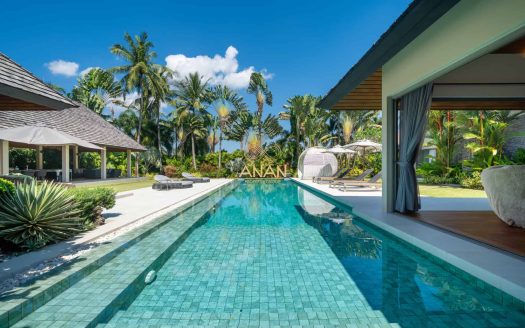
Luxury villas are expected to remain one of Phuket’s strongest property segments in 2026. Demand is being driven by high-net-worth buyers seeking privacy, space, security, and resort-style living.
The most desirable villas will be those with sea views, modern tropical design, large living areas, private pools, and professional management. Buyers are increasingly willing to pay a premium for turnkey homes that require minimal effort.
Branded residences are also expected to keep growing. These properties appeal to buyers who want hotel-level service, international branding, rental management, and a sense of trust in the product.
Phuket’s luxury villa market is especially strong in areas such as Kamala, Surin, Bang Tao, Laguna, Cape Yamu, Layan, and Nai Harn. Each location appeals to a slightly different buyer profile, from ultra-luxury investors to lifestyle families.
The rise of branded residences reflects a broader shift in buyer expectations. People no longer want only a beautiful property; they want service, maintenance, security, rental support, and lifestyle amenities.
Luxury prices are likely to remain firm because premium land is limited. Well-positioned villas with strong design and views may continue to see capital appreciation, particularly where new supply is restricted.
That said, not every luxury project will perform equally. Buyers will be more careful about construction quality, management fees, developer track record, and realistic rental income.
In 2026, luxury villas and branded residences should remain among Phuket’s most resilient segments. Their success will depend on location, service quality, brand credibility, and long-term maintenance standards.
Condo Market Forecasts Across Prime Beach Areas
The condominium market in Phuket is expected to remain active in 2026, especially in beachside and lifestyle-focused areas. Condos remain popular because they are more accessible than villas and easier for foreigners to own.
Patong will continue to attract investors focused on tourism and short-stay rentals. Its nightlife, beach access, and high visitor numbers support rental demand, although buyers may need to be selective due to congestion and older building stock.
Kamala is likely to remain strong in the upper-mid and luxury condo segments. Its quieter atmosphere, proximity to luxury resorts, and access to the Millionaire’s Mile area make it attractive to both investors and lifestyle buyers.
Bang Tao and Laguna should continue to be among the island’s strongest condo markets. The area benefits from beach clubs, restaurants, shopping, golf, international schools, and a growing year-round resident community.
Surin may remain more limited in new supply, which can support prices for well-located existing properties. Its reputation as a high-end beach destination gives it lasting appeal despite tighter development conditions.
Kata and Karon should see steady demand from tourism-driven buyers. These areas offer strong beach appeal and rental potential, although competition among holiday rentals may remain high.
Rawai and Nai Harn are expected to attract long-stay residents, retirees, families, and digital workers. Condo demand here may be less seasonal than in some tourist-heavy zones because of the area’s residential feel.
Overall, condos in 2026 should perform best when they offer walkability, beach access, professional management, and realistic pricing. Projects far from amenities or without a clear target market may face slower sales.
Rental Yields, Tourism Recovery, and Investor Returns
Rental yields in Phuket are expected to remain attractive in 2026, particularly for well-located properties with strong management. Tourism recovery has helped restore confidence in short-term rental income.
Properties near beaches, entertainment areas, wellness hubs, and lifestyle districts are likely to perform best. Tourists increasingly want convenience, design, privacy, and easy access to restaurants, transport, and activities.
Villas may continue to generate strong nightly rates, especially in the luxury segment. Large private villas with pools are popular among families, groups, and high-spending travelers seeking privacy.
Condos can also deliver solid returns, especially in areas with high occupancy and professional rental management. However, investors should be realistic about seasonality, operating costs, and competition.
Short-term rental rules and building regulations should be watched carefully. Not every condominium allows daily rentals, and investors need to understand local laws, hotel licensing issues, and juristic rules before buying.
Long-term rentals are also becoming more important. Demand from expats, remote workers, families, and retirees can provide steadier income than holiday rentals, especially in residential areas.
Investor returns will depend heavily on net yield, not just gross rental income. Management fees, maintenance, utilities, sinking funds, taxes, repairs, and vacancy periods can significantly affect profitability.
In 2026, the best-performing rental properties will likely be those that combine strong location, professional operations, distinctive design, and flexible rental strategies. Investors should focus on sustainable income rather than inflated projections.
Infrastructure Projects to Watch in 2026
Infrastructure will be one of the most important factors shaping Phuket’s property market in 2026. As the island grows, transport, utilities, and public services will directly influence real estate values.
Airport capacity and connectivity remain key issues. Any progress on airport expansion, improved passenger handling, or better regional flight routes would support tourism and property demand.
Road improvements will also matter. Phuket’s traffic congestion has become a major concern, so upgrades to key routes, bypass roads, and connections between the airport, west coast, and southern areas could benefit nearby property markets.
Public transport plans, including long-discussed mass transit or light rail concepts, will continue to attract attention. Even if progress is gradual, improved mobility would be a major long-term positive for the island.
Marina and yacht infrastructure may further support the high-end market. Phuket’s position as a boating and superyacht hub can increase demand for luxury villas and residences near the east coast and marina zones.
Healthcare and education infrastructure will also influence residential demand. Areas near international schools, hospitals, wellness centers, and family services are likely to gain more year-round buyers.
Utilities will be an increasingly important topic in 2026. Water supply, electricity capacity, waste management, drainage, and internet reliability will affect both quality of life and investor confidence.
Properties near improving infrastructure may see stronger long-term appreciation. However, buyers should also be cautious about construction disruption, zoning changes, and overdevelopment around major project areas.
Risks, Price Pressures, and Where Opportunities Lie
Despite the positive outlook, Phuket’s real estate market faces several risks in 2026. Rising prices, rapid development, infrastructure strain, and regulatory uncertainty could all affect buyer confidence.
Oversupply is a potential concern in some segments. If too many similar condos or villas enter the market at the same time, weaker projects may struggle to achieve strong sales or rental performance.
Construction costs may continue to pressure developers and buyers. Higher material, labor, and financing costs can push prices upward, but they can also reduce margins and delay project completion.
Environmental and climate-related risks are becoming more important. Flooding, hillside development, drainage problems, coastal erosion, and sustainability standards should be considered carefully before buying.
Legal and ownership risks remain relevant for foreign buyers. Poorly structured leaseholds, unclear land titles, weak contracts, or unrealistic rental guarantees can create long-term problems.
Liquidity is another factor to consider. Phuket property can perform well over time, but resale may take longer than in major urban markets, especially for highly specialized or overpriced assets.
Opportunities will likely be strongest in established lifestyle areas, emerging residential zones, and projects with limited supply. Properties near schools, wellness centers, marinas, and infrastructure improvements may offer good long-term potential.
The smartest strategy for 2026 is careful selection. Buyers should prioritize location, legal clarity, build quality, management strength, and realistic income assumptions rather than chasing the lowest price or the most aggressive promised return.
Phuket’s real estate market in 2026 is expected to remain one of Thailand’s most dynamic property sectors, driven by tourism, lifestyle migration, foreign investment, and limited prime land. Yet the market is also becoming more sophisticated, meaning buyers will need stronger due diligence and clearer investment strategies. Luxury villas, branded residences, well-managed condos, and properties in lifestyle-rich locations should continue to perform well. The best opportunities will belong to investors and homeowners who look beyond short-term hype and focus on quality, sustainability, and long-term value.

Ayara Villa | Sea View Luxury Villa in Surin, Phuket


Baan Banyan | Iconic Sea View Estate on Kamala Headland, Phuket

Luxury Pool Villas in Pasak Soi 8, Cherng Talay (Bang Tao), Phuket
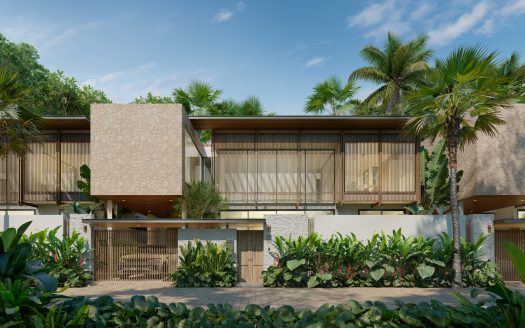
Luxury Pool Villas in Pasak Soi 8, Cherng Talay (Bang Tao), Phuket
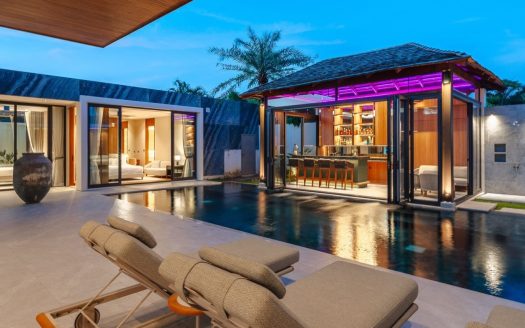
Final Two Luxury Pool Villas in Bang Tao | Ready to Move In
Ultra-Luxury 4-Bedroom Layan Hill Estate with Cinema & Gym near He...
Related reading