Renting a condo in Bangkok: a tenant’s guide from viewing to move-in

Renting a condo in Bangkok is quick, which is why tenants should view methodically, read the lease closely and record everything on moving-in day. Expect a 12-month lease, two months' deposit plus the first month in advance, and utilities on top, so check the electricity rate, early termination terms and the furniture inventory before signing.
- Choose the location around your daily commute first, then shortlist units within an easy BTS or MRT ride.
- Test every tap, air-conditioner and appliance at viewings, and visit twice if possible.
- Read early termination, repairs, deposit return and common-fee clauses before paying beyond a holding deposit.
- Budget roughly three months' rent upfront: two months' deposit plus the first month in advance.
- On move-in day, sign an inventory, photograph everything and note the meter readings.
Renting a condominium in Bangkok is generally straightforward. Supply is large, most units come furnished, and the process from viewing to collecting the keys can be quick. That speed is also the risk: tenants who sign in a hurry often discover the important details only after moving in.
This guide walks through each stage as a tenant: how to view properly, what to look for in the contract, how deposits and utilities usually work, what furnished really means, and the steps on moving-in day that protect you when you eventually move out.
Before you view: narrow the search
Bangkok is large and its traffic is unforgiving, so location comes first. Decide where you will travel most often, whether that is an office, a school or a co-working space, and focus on homes within an easy BTS or MRT ride of it. A cheaper unit with a difficult commute is rarely a saving.
Then set your must-haves: number of bedrooms, a bathtub or a separate shower, a proper kitchen or just a kitchenette, a balcony, parking, and whether pets are allowed. Pet policies vary widely between buildings, so if you have a dog or cat, raise it at the start. Our neighbourhood pages, such as Phrom Phong, Ari and Phra Khanong and On Nut, are a useful starting point.
How to view a condo properly
Show units are usually clean and staged. Look past that. A methodical viewing takes longer but saves months of irritation.
Inside the unit
- Run every tap and shower, flush the toilets and check the water pressure and hot water.
- Switch on each air-conditioner and listen for noise; ask when they were last serviced.
- Look for damp or staining on ceilings, around windows and under sinks.
- Open the fridge, oven, washing machine and wardrobes; check that they work and are clean.
- Check mobile signal and ask which internet providers serve the building.
- Note the orientation: west-facing rooms can be hot in the afternoon.
Around the building
- Time the walk to the nearest station, ideally at the hour you would commute.
- Look at the lifts, corridors, pool and gym; their condition says a lot about the juristic person.
- Listen for noise from roads, bars, construction sites or the building’s own plant rooms.
- Ask about parking, visitor access, parcel handling and key-card rules.
If possible, visit twice: once in daylight and once in the evening. Some issues, such as a bar on a lower floor or a neighbouring construction site, only reveal themselves at certain times.
The lease: what to read carefully
A typical residential lease in Bangkok runs for 12 months. Shorter terms are sometimes possible, often at a higher monthly rent. Ask for the contract in English, or in both English and Thai, and read it in full before paying anything beyond a holding deposit.
The points that cause most disputes are the ones tenants skim. Look closely at:
- Early termination. What happens if you need to leave before the end of the term? Some leases forfeit the deposit; others allow a notice period. Negotiate this before signing if your plans may change.
- Repairs and maintenance. Who pays for air-conditioner servicing, appliance breakdowns and minor repairs? A clear split avoids arguments later.
- Deposit return. How long after you leave will it be returned, and on what conditions?
- Renewal. Is there an option to renew, and on what terms?
- Common-area fees. Confirm in writing who pays the building’s monthly common-area fee.
- Use and occupants. Who may live in the unit, and are pets permitted?
Make sure the contract names the actual owner, or an agent authorised by them, and that you see identification or proof of ownership. Pay by bank transfer to an account in the owner’s or the authorised agent’s name, and keep receipts.
Deposits and upfront costs
The common arrangement is a security deposit equal to two months’ rent, plus the first month’s rent in advance. You will usually pay all three on signing, so budget for the equivalent of three months’ rent at the start.
A smaller holding or booking deposit is often taken to take the unit off the market while the contract is prepared. Ask whether it is refundable if the lease does not proceed, and get that answer in writing.
Utilities and bills
Electricity and water are normally paid on top of the rent. The key question is whether the unit is billed at the government rate, directly by the utility, or at a building rate set by the juristic person or the owner. Building rates can be noticeably higher, which matters in a city where air-conditioning runs much of the year.
Internet is usually arranged by the tenant, sometimes with a provider the building already has cabling for. Television packages, if any, vary. Ask how bills are delivered and paid, and whether any are in the owner’s name and settled through them.
Furnished, part-furnished or unfurnished
Most Bangkok condos are rented fully furnished, which typically means beds, sofa, dining table, wardrobes, curtains, air-conditioning, a fridge, a washing machine and basic kitchen appliances. It does not usually include bedding, towels, cookware or crockery, though some landlords provide them.
If something is missing or worn out, ask for it as part of the agreement before you sign. Landlords are often willing to replace a tired mattress or add a microwave for a good tenant. Once the lease is signed, your leverage drops.
Unfurnished units are less common and more often found in larger apartments and houses. They suit tenants shipping their own furniture or planning a long stay.
Moving-in day
The day you collect the keys is the day you protect your deposit. Work through the unit with the landlord or agent and record its condition.
- Agree a written inventory of furniture and appliances, signed by both sides.
- Photograph and video every room, including existing marks, scratches and stains.
- Note the electricity and water meter readings on the day.
- Collect all keys, key cards and parking stickers, and confirm how many there are.
- Register with the juristic office so that security and reception know you are a resident.
- Ask for the building rules on deliveries, moving furniture and use of the facilities.
Foreign residents also have address-reporting obligations with the immigration authorities. Ask the landlord or building office how they handle this, and check the current rules for your visa.
During the tenancy and moving out
Report problems promptly and in writing, by email or message, so there is a record. When you leave, give notice as the contract requires, arrange a check-out inspection against the original inventory, and settle final utility bills. A tidy, documented exit is the best way to see your deposit returned in full.
Talk to us about renting
We handle long-term rentals as part of our work in Bangkok, and we read leases from the tenant’s side as well as the owner’s. If you would like help finding a condo or checking a contract, contact Anan Property Group. You can also browse homes from our Bangkok homepage.

Ultra-Luxury 4 Bed Pool Villa – Walk To Beach


Expansive 3 bedroom Luxury estate – Layan Estate
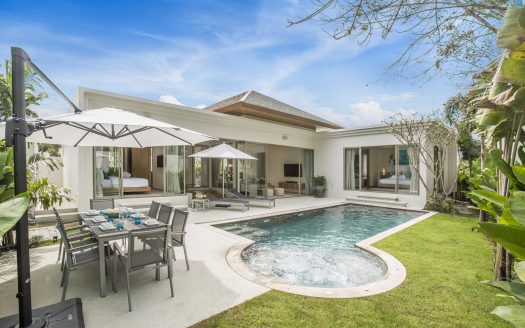
Luxury 3 Bedroom Pool Villa With Jacuzzi
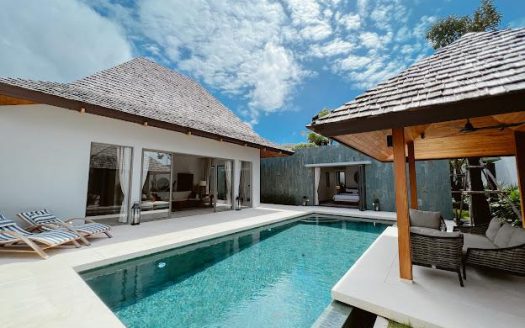
Designer 3 Bedroom Pool Villa, Anchan Hills
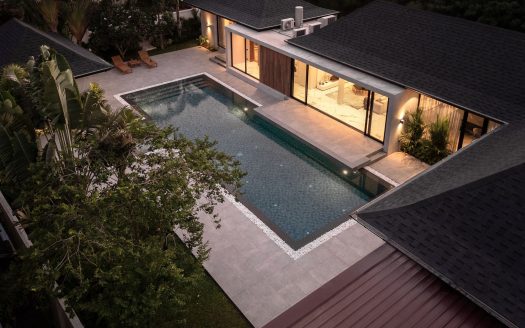
4 BEDROOM LUXURY VILLA FOR RENT

Ultra-Luxury Oceanfront Villa, Kamala
Related reading