Phuket Property Trends 2026: 5 Key Indicators for Smart Investors
Phuket’s property market is expected to enter 2026 with steadier growth, supported by tourism recovery, infrastructure upgrades and demand for lifestyle-led assets. Investors are shifting from speculative buying towards rental yield, professional management, sustainability and access to transport, schools and services. Performance will vary by micro-location, with oversupply risk in some tourist corridors and stronger prospects for usable, well-managed properties.
- Condos have historically delivered 6-8% annual yields, while luxury villas may yield around 4-6%.
- Areas near the airport, light-rail route, marinas and international schools are positioned for stronger demand.
- Longer-stay visitors and remote workers are reducing seasonality and supporting more consistent rental occupancy.
- Eco-focused villas, branded residences and professionally managed assets are gaining appeal among international buyers.
- Check legal ownership structures carefully, especially for landed property, leaseholds and Thai partnership arrangements.
As one of Asia’s most dynamic property markets, Phuket is poised to enter 2026 with renewed momentum and evolving investor opportunities. The island, known for its turquoise coastline and cosmopolitan appeal, has seen fluctuating fortunes in recent years—largely influenced by global travel patterns and domestic policy changes. Yet, as tourism and infrastructure projects gain pace, Phuket’s real estate market is set to embody both resilience and transformation. Understanding the indicators that will drive property trends in the coming years is essential for investors seeking sustainable returns and long-term value.
Phuket’s Real Estate Landscape Heading Into 2026
Phuket’s real estate environment is maturing from speculative purchases to more purpose-driven investments. The market is no longer just a playground for foreign buyers seeking a vacation home; it now supports a diverse mix of short-term rentals, branded residences, and mixed-use developments. These trends suggest that buyers are focusing on yield stability, lifestyle convenience, and sustainable growth rather than quick flips. Developers have started emphasizing build quality and property management as key differentiators.
Post-pandemic market stabilization has been significant for Phuket. After years of erratic demand, both domestic and international interest has surged, with inquiries growing from buyers across China, Russia, and Europe. Investors seeking mid-range and luxury condominiums are returning, signaling renewed confidence in the island’s global allure. Commercial properties, particularly in retail and hospitality, are also showing signs of recovery as local demand increases.
Government support continues to shape investor confidence. Initiatives promoting digital nomad visas and longer stays for retirees and professionals have bolstered demand for serviced apartments and co-living spaces. The Thai government’s focus on promoting Phuket as a “Smart City” hub also signals long-term urban development potential. As technology and infrastructure evolve, property stakeholders are beginning to view Phuket as more than a tourism island—it’s emerging as a regional lifestyle destination.
In 2026, real estate transactions are expected to grow steadily, but not unsustainably. Analysts forecast balanced appreciation rather than rapid inflation. This stabilizing trend means buyers can pursue growth without excessive volatility. Phuket’s appeal as a lifestyle investment—combining leisure, productivity, and digital connectivity—reinforces its long-term strength in the regional property market.
However, not all segments will perform equally. Properties close to transport hubs, marinas, and educational institutions are poised to outperform remote luxury units that lack rental potential. The market’s direction is now defined by usability rather than exclusivity. Investors who recognize these micro-trends will be best positioned to capture sustainable growth into 2026.
Tourism Revival and Its Impact on Property Demand
Tourism remains the lifeblood of Phuket’s economy and a primary catalyst for property demand. With international arrivals forecast to return to pre-pandemic levels by 2025, developers and hospitality groups are ramping up projects to accommodate new waves of visitors. Hotels, serviced apartments, and branded residences near Patong, Kata, and Bang Tao are seeing significant pre-booking activity. Investors are paying attention because occupancy trends often mirror property performance.
Following the reopening of borders, diverse travel segments have emerged. Beyond leisure tourists, Phuket now attracts remote workers and long-term visitors seeking a balance between work and island living. This shift toward longer stays has boosted interest in month-to-month rentals and refined villa accommodations equipped with high-speed internet and office amenities. It’s a sign that tourism and real estate are increasingly intertwined through lifestyle demand.
Airline connectivity improvements are critical here. Direct flights from Europe, the Middle East, and India have multiplied since 2024, driving a more diverse visitor demographic. The result is a higher level of year-round tourism, rather than the sharp seasonality Phuket used to experience. For property owners, this shift translates to more consistent rental income and reduced vacancy risk—a vital advantage for investors targeting cash flow.
Furthermore, the growth of wellness and eco-tourism adds a unique dimension to demand. Resorts are adopting sustainable practices, integrating green design, and positioning themselves as eco-conscious havens. Properties aligning with this ethos tend to command premium prices, catering to environmentally aware travelers. As global traveler preferences evolve, Phuket is aligning its hospitality offerings accordingly.
However, developers must be cautious not to oversupply. While tourism’s recovery is robust, saturation in certain beachfront areas could pressure yields. The key lies in selecting micro-locations with authentic demand drivers rather than chasing hype-driven developments. Smart investors understand that Phuket’s tourism recovery is both an opportunity and a test of market discipline.
Infrastructural Projects Driving New Investment Zones
Infrastructure investments are redefining Phuket’s property landscape as we move toward 2026. The long-awaited expansion of Phuket International Airport’s second terminal is nearing completion, enhancing passenger capacity and improving traveler experience. This expansion is crucial, as better airport access often precedes a rise in land values and hotel performance. Investors looking at nearby areas such as Nai Yang and Mai Khao will likely benefit from this infrastructural momentum.
The planned light-rail project connecting Phuket Town to the airport is another transformative development. Expected to advance substantially by 2025, the rail will significantly reduce travel times between major residential and business zones. For investors, this means accessibility improvements that open up less-developed inland areas to meaningful growth. Areas along the proposed route are already seeing speculative interest from developers of mid-rise condos and commercial spaces.
Further government-sponsored projects include expansions of road networks, drainage systems, and utilities in key coastal areas. These upgrades are designed to reduce congestion, improve resilience against flooding, and elevate overall livability. For property investors, this infrastructure spending represents a tangible assurance of long-term value—a decisive factor when assessing future appreciation potential.
Phuket’s designation as a “Smart City” also plays an influential role. Digital infrastructure, public safety technology, and urban planning advances are being integrated into the island’s development plan. This blend of modern technology and island charm will likely attract both residents and entrepreneurs seeking high-quality living standards. Consequently, demand for mixed-use developments that merge housing, retail, and workspace continues to grow.
Additionally, the proposed Phuket Marina and waterfront revitalization projects are expected to amplify the island’s appeal to high-net-worth individuals. Luxury yacht tourism is resurging, which in turn supports premium villa demand and hospitality investments near the marinas. Such facilities elevate Phuket’s global prestige and anchor its property market’s luxury segment. These are not just local developments—they have international market implications.
While ambitious, these infrastructural projects also introduce variables: construction timelines, budget adjustments, and environmental impacts could influence delivery. Investors should monitor project updates closely and factor potential delays into investment horizons. Nevertheless, the consensus among analysts is that Phuket’s rapid infrastructural modernization will enhance its property market fundamentals well beyond 2026.
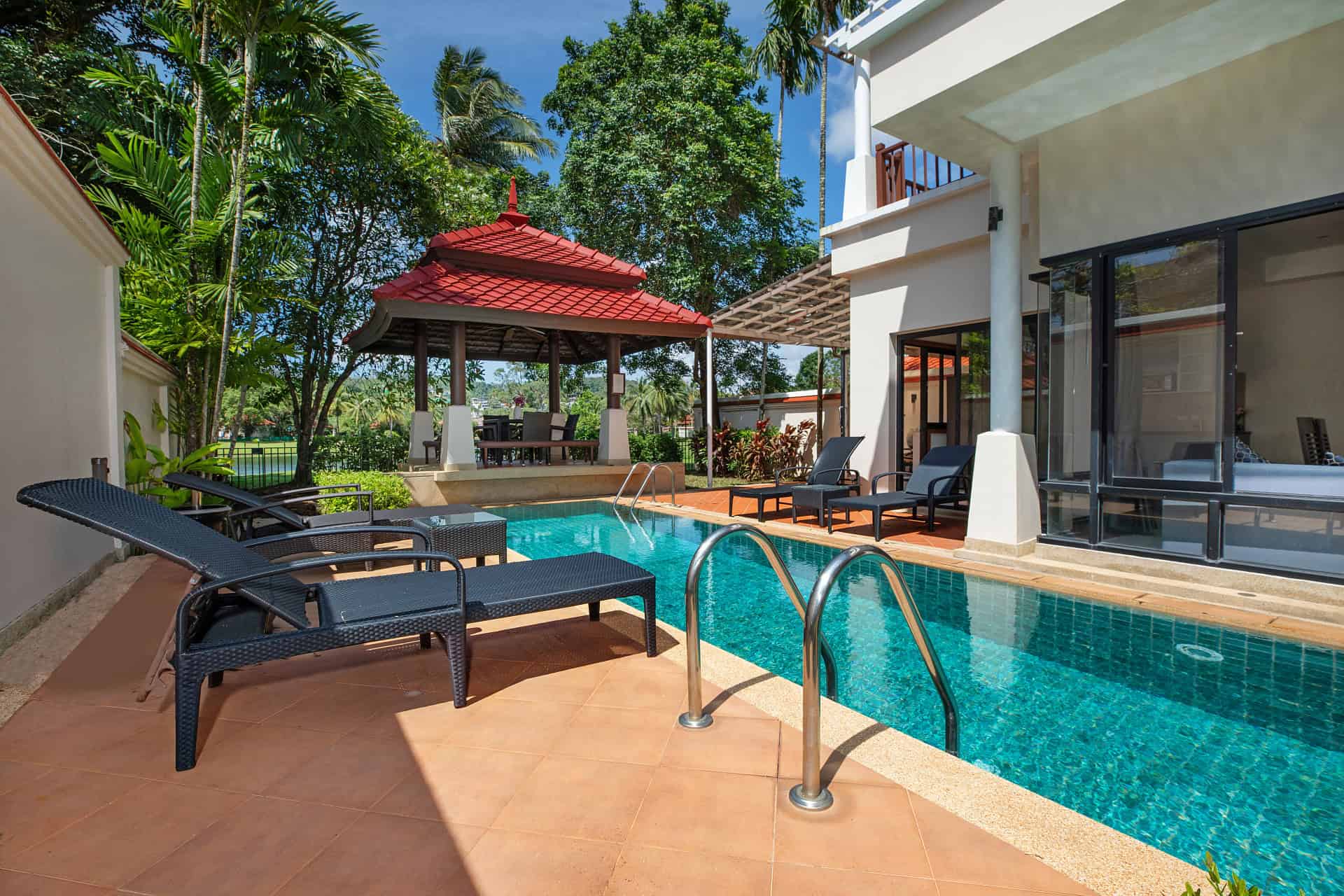
Luxury 4-Bedroom Lakefront Villa for Sale in Laguna Village (Angsana),...


Banyan Tree Beach Residences Aegir – The Final Oceanfront Masterpiece ...
Luxury Villas and Eco-Resorts Define Market Direction
Luxury property remains Phuket’s signature asset class, but its definition is evolving. By 2026, exclusivity is being rewritten to include sustainability, seclusion, and seamless functionality. Buyers want residences that reflect environmental mindfulness without compromising aesthetics. Developers are responding by adopting sustainable materials, solar energy systems, and advanced water management. The result is a wave of modern eco-resorts and villas tailored to both private owners and the elite short-term rental market.
High-net-worth buyers from Asia, the Middle East, and Europe continue to view Phuket as a vacation haven with investment upside. These investors are typically seeking asset diversification outside their home markets. Regions such as Layan, Kamala, and Cape Yamu remain prime zones for new luxury developments, often featuring panoramic ocean views, private docks, and wellness-centric amenities. Many of these properties are marketed with professional management, positioning them as both lifestyle estates and income-producing assets.
Simultaneously, developers are incorporating branded partnerships into villa design. Hospitality groups are collaborating with real estate developers to manage private residences under their hotel brand names. This growing trend creates a hybrid product—luxury homes with services akin to a five-star hotel. It also offers investors consistent quality assurance and higher global visibility. These arrangements cater perfectly to buyers who prioritize convenience and prestige.
Eco-resorts are gaining faster traction as sustainability becomes central to purchase decisions. Vacationers now actively seek properties that minimize their carbon footprint. Resorts emphasizing local materials, energy efficiency, and reforestation efforts attract premium clientele and repeat bookings. This focus on eco-friendly practices aligns perfectly with Thailand’s broader tourism sustainability goals and adds long-term credibility to the property investment itself.
Social and digital trends continue to influence design priorities. The remote work movement has accelerated demand for spaces integrating leisure and productivity. Luxury properties equipped with coworking lounges, fitness pavilions, and digital security systems are redefining what modern buyers want. The intersection of work-life balance and eco-luxury living is emerging as Phuket’s defining theme.
Despite all these positives, luxury developers must guard against market saturation. Overpricing or excessive clustering of high-end projects could dampen absorption rates. However, strong international branding and focus on exclusivity backed by sustainability will ensure enduring appeal. The key will be crafting experiences—rather than just properties—that resonate with the global buyer’s evolving lifestyle values.
Rental Yields and Occupancy Rates You Should Watch
One of the most practical indicators for investors entering 2026 is the trajectory of rental yields and occupancy rates. In Phuket, these metrics depend heavily on seasonality, property type, and location. Historically, average annual yields for condominiums have hovered between 6-8%, while luxury villas may yield around 4-6%. However, growing tourism and remote work options are smoothing out seasonal dips, providing a more stable income flow throughout the year.
Beachfront and metropolitan areas like Patong and Karon continue to deliver strong short-term rental performance. In contrast, family-friendly zones such as Bang Tao and Laguna have developed more consistent, long-stay occupancy driven by expat tenants and international schools. This diversification means Phuket’s rental market offers both high turnover opportunities for daily rentals and steady income sources for longer leases. Investors can match their strategy to their risk tolerance and investment horizon.
Technology is also improving management and transparency. Digital platforms allow owners to monitor performance analytics, automate pricing, and integrate direct booking systems. This data-driven approach ensures competitive positioning and optimal returns. By 2026, expect a more sophisticated ecosystem of property management services that help individual investors operate efficiently at a professional standard.
Foreign ownership remains a critical consideration in yield calculation. While condominiums offer freehold ownership options, landed properties typically require leasehold structures or Thai partnerships. These legal frameworks influence not just purchase cost but also operational profitability. Smart investors work with experienced agents and legal advisers to structure their portfolios effectively under Thai property regulations.
Crucially, the return of corporate travel and events is expected to drive short-term rental demand further. Phuket’s growing portfolio of meeting facilities and convention venues opens opportunities for business tourism accommodations. This influx could alleviate low-season dips and create more consistent rental income across the calendar year.
Still, investors should remain vigilant regarding market saturation. An excess of new condominiums within certain tourist corridors could pressure yields temporarily. Focusing on properties combining holistic amenities and professional management will help mitigate this risk. Careful analysis of occupancy trends and rental track records will be essential tools for judging project viability.
Smart Strategies for Investors Targeting Phuket 2026
As Phuket’s landscape evolves, investors must balance enthusiasm with strategic discernment. The most successful stakeholders in 2026 will be those who align their investments with emerging behavioral and digital trends. Multifunctional living spaces that serve both residents and travelers will outperform conventional vacation homes. Developers integrating hospitality-level service and green design will likely lead the market’s next phase.
Diversification across property types and locations remains key. Instead of concentrating solely on beachfront assets, investors should consider inland growth areas benefiting from infrastructure upgrades. Neighborhoods near the light-rail stations or new business districts may deliver stronger percentage gains as accessibility improves. Blending long-term capital appreciation with short-term yield considerations ensures healthy portfolio balance.
Sustainability is not just a marketing term—it’s an investment filter. Properties constructed with eco-friendly technologies and renewable energy sources tend to retain value better over time as environmental regulations tighten. Moreover, travelers increasingly favor sustainable accommodation choices, reinforcing long-term demand. Aligning with sustainability also future-proofs your assets from evolving market regulations.
Another cornerstone of smart investing is effective risk management. This includes understanding foreign ownership limits, taxation laws, and property maintenance responsibilities. Engaging professional management firms that cater to global investors can ensure compliance and enhance rental efficiency. Technology-led transparency will play a major role in safeguarding investor confidence through real-time performance tracking.
Networking within Phuket’s developer and broker community can also yield deep insights. Local partnerships often produce early access to upcoming projects and pre-sale pricing advantages. Investors who actively build these relationships will have richer information flow and faster responsiveness to new trends. Being proactive in community and industry events ensures first-mover advantage in this competitive market.
Finally, timing remains essential. While Phuket is showing robust fundamentals, entering the market early in infrastructure development cycles generally maximizes gain potential. Those who study economic indicators, anticipate tourism growth zones, and take a long-view approach will be best placed for success. Phuket in 2026 offers a sophisticated mix of tropical charm and strategic opportunity—for those who invest with foresight and discipline.
Phuket’s property market heading into 2026 tells a story of renewal, reinvention, and resilience. As tourism recovers and infrastructure reshapes the island, investors are faced with both opportunities and challenges that require informed decision-making. The convergence of luxury, sustainability, and digital innovation marks a new era for this iconic destination. By focusing on fundamentals—location, build quality, sustainability, and professional management—investors can navigate with confidence. Ultimately, Phuket stands not only as a holiday paradise but as one of Southeast Asia’s most promising and evolving real estate frontiers.

Turnkey 3-Bedroom Sea View Pool Apartment: A Hillside Sanctuary in Lay...
Rare 1-Rai Pool Villa: A "Renovator's Dream" Just 300m ...
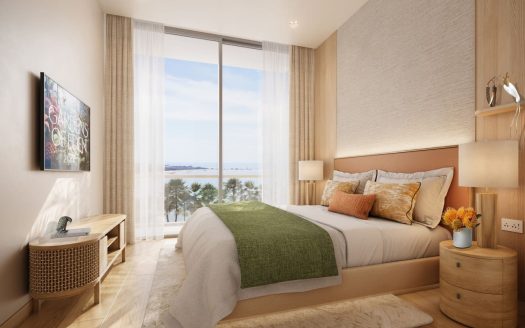
Luxury Eco-Resort Residences: An Unprecedented Sanctuary 50m from Bang...
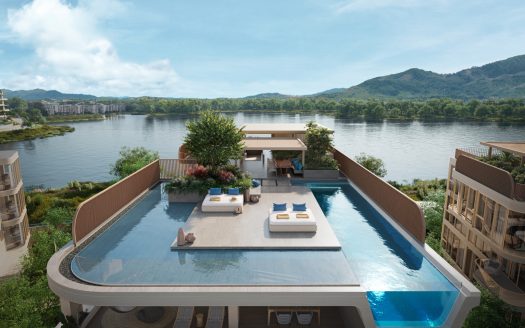
The Pinnacle of Oceanfront Branded Living in Laguna, Phuket
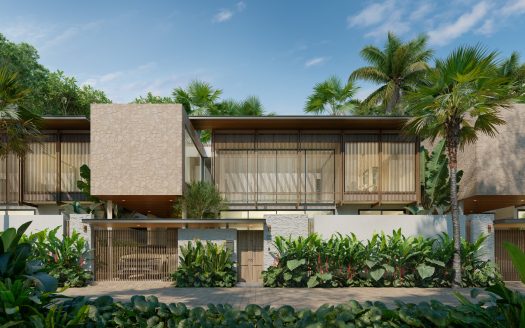
Luxury Pool Villas in Pasak Soi 8, Cherng Talay (Bang Tao), Phuket
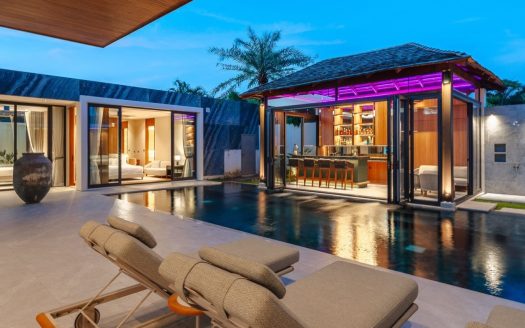
Final Two Luxury Pool Villas in Bang Tao | Ready to Move In
Related reading