
Phuket Real Estate 2026: Why the Island is Now a Global Investment Magnet

Summary12 min read
Phuket’s 2026 property market is being driven by stronger international demand, improving infrastructure, lifestyle migration and a growing focus on luxury and sustainable development. Coastal areas such as Bang Tao, Kamala and Nai Harn have seen notable price growth, while foreign buyers continue to use condominium ownership, leaseholds and legal advisory support to enter the market.
DigestKey takeaways
- Coastal property prices in Bang Tao, Kamala and Nai Harn are reported over 20% above 2023 levels.
- Luxury villas and branded residences are attracting buyers seeking privacy, services and rental potential.
- Sustainable features such as solar power, water recycling and local materials are becoming price-supporting factors.
- Airport expansion, better roads, 5G and stronger healthcare and education infrastructure are supporting long-term demand.
- Foreign buyers should review condominium quotas, leasehold terms and title checks with qualified local legal advisers.
Phuket’s Real Estate Boom: A 2026 Market Overview
Phuket’s property market in 2026 is experiencing one of its strongest growth phases in decades. Rising demand from international investors, coupled with a post-pandemic resurgence in global travel, has driven property values upward. Both residential and commercial real estate are seeing double-digit growth rates year-on-year, with supply barely keeping pace. Developers who once catered primarily to high-end tourists are now serving a more diverse range of buyers—from digital nomads seeking lifestyle investments to multinational companies opening regional operations. Prices for coastal properties, particularly in neighborhoods like Bang Tao, Kamala, and Nai Harn, have surged by over 20% compared to 2023. Yet despite the rapid appreciation, experts note that Phuket’s real estate still remains competitively priced compared to similar island destinations like Bali or Ibiza. The affordability-to-luxury ratio continues to appeal to foreign investors, especially those from Europe, China, and the Middle East. Government support has also played a vital role in fueling this boom. Policy initiatives encouraging sustainable development and streamlined investment processes are giving investors greater confidence. Coupled with a strong tourism rebound, the island’s economic fundamentals appear more stable than ever. The 2026 data underscores not just short-term gains but also a maturing property market. Technological integration is another hallmark of the current boom. Smart home features, digital real estate platforms, and blockchain-based property transactions are becoming standard. These innovations enhance transparency and efficiency, reducing traditional barriers for international buyers. Phuket’s developers have proved adept at blending technology with tropical luxury. Another contributing factor is changing lifestyle trends. As remote work becomes mainstream, more people are seeking second homes or permanent relocations in scenic, well-connected locations. Phuket’s blend of modern amenities, international schools, and high-quality healthcare make it an attractive option for families and professionals alike. The rental market mirrors these trends, showing high occupancy rates and solid returns. Short-term rentals driven by tourism coexist with long-term leases from expatriates, creating a healthy balance for property owners. Investors are increasingly viewing Phuket as both a lifestyle choice and a sound financial decision. With continued infrastructure expansion and foreign investor interest climbing, Phuket’s real estate boom shows few signs of slowing. As experts forecast, the coming years could see the island solidify its position among the world’s top-tier property destinations.Global Investors Turn to Thailand’s Island Paradise
Phuket’s transformation into a global investment magnet is, in part, a reflection of broader shifts in international capital flows. High-net-worth individuals and institutional investors are diversifying beyond traditional urban hubs. With currency stability, favorable exchange rates, and competitive yields, Thailand’s island markets offer an appealing alternative. Phuket, in particular, has benefited from its established reputation as Southeast Asia’s premier resort destination. Buyers from China, Australia, Russia, and Europe are leading the surge. Even investors from the Middle East and North America have been increasingly active, citing Phuket’s balance of lifestyle appeal and long-term growth potential. For many, the market’s resilience during global uncertainties endorses its status as a safe haven for real estate investment. The Thai government’s push for foreign direct investment has also helped open pathways for overseas participation. While ownership laws remain protective of national interests, innovative structures—such as leasehold arrangements and condominium ownership—are allowing foreign investors to participate with fewer restrictions. This accessibility is one of the defining features attracting global interest in 2026. Phuket’s prominence in international media and its growing digital presence amplify its allure. Social media influencers, lifestyle publications, and real estate portals are showcasing the island’s property potential. The perception of Phuket has expanded: it’s no longer merely a tourist hotspot but a lifestyle and investment destination rolled into one. Another driving factor is Thailand’s political and economic stability compared to some other emerging markets. Coupled with strong infrastructure and a well-established legal framework, this creates a secure environment for capital inflow. Additionally, the Thai baht’s performance remains steady, reducing currency risk for foreign investors. The region’s growing connectivity has also helped draw new investor demographics. Direct flights from major global cities have returned to pre-pandemic frequencies, and digital platforms simplify cross-border transactions. Real estate expos and investment conferences now routinely feature Phuket as a premier topic. Moreover, with the ongoing global climate of inflationary pressures, investors are seeking tangible assets that retain value. Phuket real estate fits that profile: aesthetic, functional, and appreciating. Whether for lifestyle or portfolio diversification, it’s an asset class that aligns with global investor sentiment. Ultimately, the island’s international magnetism rests on its unique blend—tropical beauty, modern living, and promising returns. This combination keeps pulling investors who are not just buying property in Phuket, but buying into its future.
For Sale
Freehold
Leasehold
฿37.8M
Iconic Sea-View Villas Overlooking Naithon Beach, Phuket’s Northwest C...
Iconic Sea-View Residences -Overlooking Naithon Beach Welcome to Vista Del ...


For Sale
Hot Offer
Starting From ฿32.9M
Boutique 3-Bedroom Luxury Pool Villas: An Exclusive Haven in Saku-Nai ...
Status: Show Villa Completed & Ready for Private Viewing | Off-Plan Sal ...

The Rise of Luxury Villas and Sustainable Developments
One of the most striking trends in Phuket’s 2026 real estate landscape is the dominance of luxury villas and sustainable developments. Developers are responding to demand from affluent investors seeking privacy, exclusivity, and eco-conscious comfort. High-end villa projects now line the coastlines, offering panoramic sea views, modern architecture, and world-class amenities that rival those of Marbella or the Maldives. Sustainability is no longer a niche concept; it’s mainstream. Buyers, especially Europeans and young entrepreneurs, are increasingly motivated by green certifications, energy-efficient designs, and renewable energy integrations. Villas powered by solar panels, equipped with water recycling systems, and built with locally sourced materials are commanding premium prices. Phuket’s commitment to sustainable development extends beyond private residences. Integrated resorts and mixed-use communities prioritize environmental harmony—designing landscapes that preserve mangroves, reduce carbon footprints, and support local communities. The Thai government’s incentives for green construction have also accelerated developer adoption of these practices. Luxury buyers are looking for more than just real estate—they’re seeking lifestyle ecosystems. Projects that combine holistic wellness, smart technology, and concierge-level services are particularly attractive. As a result, Phuket is becoming synonymous with sophisticated tropical living, attracting a blend of retirees, entrepreneurs, and digital innovators. Architectural diversity is also flourishing. Influences from Mediterranean, minimalist, and traditional Thai aesthetics are merging seamlessly. This fusion results in developments that are visually arresting yet culturally respectful. Local artisans and designers are increasingly involved in projects, adding authenticity and supporting the island’s creative economy. The steady rise of branded residences is another defining feature. International hospitality giants are partnering with developers to launch signature projects that carry their global brand prestige. These collaborations enhance buyer confidence and often guarantee higher yields due to recognized management and service quality. Interestingly, sustainability and luxury are now viewed as complementary rather than conflicting concepts. The best-performing developments in 2026 are those that reconcile indulgence with responsibility. Investors appreciate that eco-friendly practices not only benefit the planet but also future-proof their investment value. Phuket’s real estate sector, by aligning upscale living with environmental awareness, has set a new benchmark for tropical property markets. The rise of these sustainable luxury villas highlights a maturing industry—one that understands the needs of modern global investors.How Infrastructure Growth Fuels Property Demand in Phuket
Infrastructure development remains one of the strongest drivers of Phuket’s evolving property market. In recent years, major government and private-sector investments have transformed the island’s accessibility, utilities, and urban planning. As 2026 progresses, these improvements continue to enhance Phuket’s liveability and attractiveness for both residents and investors. The expansion of Phuket International Airport has been the cornerstone of this transformation. With upgraded terminals and increased flight capacity, the island now welcomes more than 20 million passengers annually. This surge in tourism and travel convenience directly influences property demand, as accessibility enhances both rental potential and resale value. Road connectivity has vastly improved as well. New bypass roads, upgraded coastal routes, and smart traffic management systems have reduced congestion across popular districts. These developments open previously underdeveloped areas for real estate expansion, diversifying investment opportunities beyond traditional hotspots. Telecommunications and utilities have kept pace with physical infrastructure. Enhanced 5G coverage, reliable power grids, and digital government services reflect Phuket’s modernization drive. These advancements cater particularly to expat families and remote professionals who rely on seamless connectivity for work and lifestyle. The push toward smart infrastructure extends to sustainability. Phuket’s waste management, water treatment, and energy initiatives align with broader environmental goals. Smart city programs are integrating technology into local governance, boosting investor confidence in the island’s long-term vision. Healthcare and education infrastructure have also seen notable upgrades. International hospitals and schools add immense value for long-term residents and families relocating from abroad. This social infrastructure not only supports community growth but strengthens Phuket’s reputation as a complete, livable destination. Real estate developers are strategically aligning projects near new transport hubs and commercial zones. Proximity to upgraded areas boosts demand and accelerates appreciation. Investors see infrastructure-led growth as a key metric of reliability and return potential. In summary, bolstered infrastructure is not just improving Phuket’s physical landscape—it’s reshaping its property economy. With these ongoing developments, the island is evolving from a tourism-dependent market into a globally connected and sustainable real estate hub.Navigating Legal and Ownership Rules for Foreign Buyers
For international investors eyeing Phuket’s booming market, understanding Thailand’s real estate laws is crucial. While the legal framework favors national property rights, foreign investors enjoy various legitimate pathways to ownership. Condominium units remain the most straightforward option, as non-Thai buyers are allowed to own up to 49% of a building’s total sellable area. Leasehold arrangements are another popular approach. Foreigners can lease land or property for up to 30 years, with renewal clauses often negotiable. This structure allows buyers to enjoy near-freehold benefits while complying with Thailand’s land ownership regulations. Many luxury villas in Phuket are sold under such long-term leasehold models. Joint ventures and Thai-registered companies offer more complex, yet viable, routes for corporate investors. However, these methods require meticulous legal oversight to ensure compliance with Thai laws. Reputable law firms in Phuket specialize in guiding investors through the documentation, due diligence, and title verification processes. Recent improvements in transparency and digital record-keeping have simplified property transactions. The Thai Land Department’s modernization efforts enable faster registration and easy verification, reducing risk for foreign buyers. This digitization aligns with broader efforts to attract and protect international investment. Investment visas and residency programs further enhance purchase feasibility. The Thailand Privilege Card program, for instance, offers long-term residency benefits to qualifying property investors. Such incentives are particularly appealing to retirees and entrepreneurs seeking extended stays. Nevertheless, legal guidance remains indispensable. Language barriers, zoning laws, and local regulations can pose challenges for newcomers. Partnering with credible local advisors ensures compliance, security, and smoother transactions. Most reputable developers in Phuket today offer integrated legal and financial support as part of their sales process. It’s also worth noting the Thai government’s progressively open stance toward foreign capital. Policy discussions around extending lease periods or allowing broader ownership in special economic zones signal potential liberalization ahead. These reforms could further energize Phuket’s property market in coming years. Ultimately, navigating Phuket’s legal landscape requires patience and professionalism—but the benefits are undeniable. With sound advice and due diligence, foreign investors can confidently capitalize on one of Asia’s most dynamic real estate frontiers.Future Outlook: Why Phuket’s Property Market Keeps Rising
Looking beyond 2026, Phuket’s real estate prospects remain exceptionally strong. Economic diversification, sustained tourism, and rising global attention point toward ongoing appreciation. Experts forecast steady annual growth rates supported by long-term demographic and infrastructural trends rather than speculative spikes. One of the strongest indicators is continued foreign investor confidence. Since the early 2020s, every downturn has been followed by sharp rebounds, showing market resilience. Phuket’s property sector has matured to accommodate global standards of transparency, design, and financial stability. This adaptability underpins its optimistic outlook. The integration of sustainability will remain central to future growth. As global investors prioritize ethical and environmentally conscious development, Phuket’s early adoption of green initiatives gives it an edge. Sustainable properties not only meet demand but are likely to outperform in the long run due to regulatory and consumer shifts. Furthermore, remote work and lifestyle relocation trends will continue to fuel property demand. More professionals are choosing to live where quality of life is highest—and few places rival Phuket’s mix of natural beauty and cosmopolitan amenities. This migration wave supports both the luxury and mid-tier housing markets. Phuket’s government is committed to planned growth, avoiding overdevelopment pitfalls that have plagued other tourist destinations. Smart zoning regulations, eco-tourism strategies, and infrastructure management are designed to sustain profitability without degrading the island’s ecological balance. This disciplined approach reassures investors seeking long-term certainty. Meanwhile, international financial institutions are showing greater interest. Real estate funds, REITs, and private equity groups are entering the Phuket market, adding liquidity and professional governance. This institutional presence stabilizes valuations and encourages sustainable expansion across property segments. Digital transformation will further enhance investment efficiency. Blockchain-based title transfers, AI-powered market analytics, and virtual property tours are creating a more agile and transparent ecosystem for investors. Thailand’s progressive adoption of such technologies places Phuket firmly in the global spotlight. In essence, Phuket’s continued rise is a blend of natural appeal, strategic planning, and global connectivity. As the world looks toward 2030 and beyond, few island markets appear as well-positioned to sustain growth. Phuket isn’t just following global real estate trends—it’s becoming one of the places that set them.Phuket in 2026 stands at the crossroads of tradition and transformation—a paradise reinventing itself for the modern era. The island’s vibrant property scene showcases the harmony between natural beauty, smart planning, and global investment confidence. With luxurious sustainability projects, cutting-edge infrastructure, and a clear long-term vision, Phuket has evolved from a tropical getaway to a world-class real estate powerhouse. As investors worldwide continue to take notice, the island’s ascent seems unstoppable. Phuket’s real estate story is not merely about rising prices—it’s about the rise of a new global landmark for living, investing, and dreaming.

For Sale
Foreign Freehold
฿12.5M
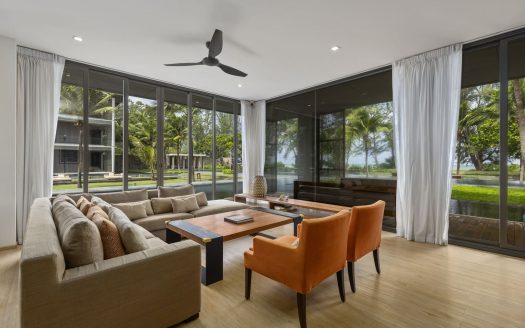
Premium 2-Bedroom Beachfront Condominium: A Coastal Sanctuary in Mai K...
Status: Fully Furnished & Move-In Ready | For Sale Discover serene, unc ...
For Sale
Foreign Freehold
Freehold
Hot Offer
฿68M
Rare Ground-Floor Beachfront Penthouse: A Foreign Freehold Trophy Asse...
Status: Pristine "Never Rented" Condition | Foreign Freehold Ownership Set ...

For Sale
Leasehold
฿39.9M
Premium 4-Bedroom Sea View Villa: A Tropical Sanctuary Near Naithon Be...
Status: Fully Furnished & Turnkey | Secure Chanote Title Ownership Set ...

For Sale
Starting From ฿17.5M
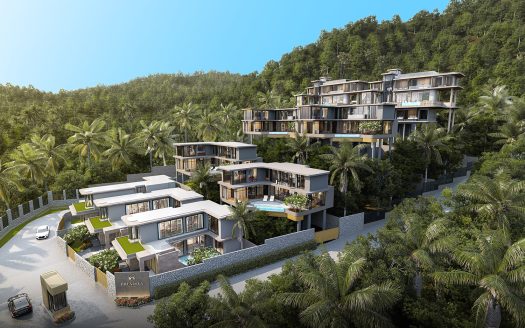
Contemporary Thai-Style Pool Villas: A Serene Sanctuary in Thalang, P...
Set in the serene, lush natural landscape of Pru Jampa, Thalang, this newly ...
For Sale
Available Now
฿77.3M
Ultra-Luxury 4-Storey Villa with Rooftop
The Pinnacle of Grandeur : Ultra-Luxury 4-Storey Villa with Rooftop Welcome ...

Featured
For Sale
฿98M
Ayara Villa | Sea View Luxury Villa in Surin, Phuket
Ayara Villa | Sea View Luxury Villa in Surin, Phuket Ayara Villa 5A is a re ...
Related reading
 Area GuidesBest Phuket Neighborhoods to Buy Property in 202626 Feb 2026
 Island LifeExploring Phuket in 2026 The Ultimate Travel Experience24 Feb 2026
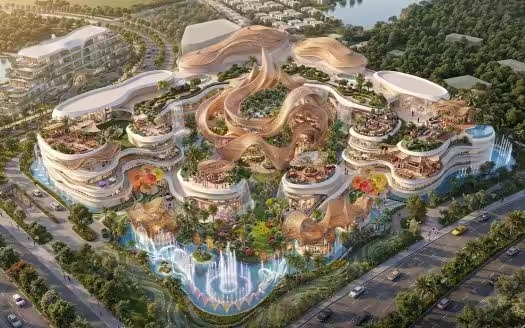 Market & InvestmentICONPHUKET: what Phuket’s new landmark means for property buyers5 Oct 2026
 Market & InvestmentBefore You Buy Property in Phuket, Ask This: Who Will Buy It From You?13 Sep 2026
 Market & InvestmentOff-Plan vs. Resale Properties in Phuket: Which is the Better Investment?15 Aug 2026
