


Living in Phuket 2026 Monthly Budget and Expenses
Phuket, Thailand’s largest island, continues to be a dream destination—not only for travelers but also for digital nomads, long-term expats, and retirees seeking a blend of tropical comfort and affordability. By 2026, the island’s lifestyle has evolved with ongoing development, improved infrastructure, and slightly higher living costs, yet it remains relatively budget-friendly compared to many Western countries. Understanding the current cost of living in Phuket is vital for anyone considering a move, whether for remote work, business, or retirement. This article provides a comprehensive breakdown of monthly expenses and insights into how to budget wisely for life on the island.
Understanding Phuket’s Cost of Living in 2026
Phuket’s cost of living in 2026 is influenced by several factors, including tourism-driven inflation, the recovery of the travel industry, and regional economic shifts across Southeast Asia. While prices have risen since 2020, Phuket remains affordable for most expats, especially those earning foreign income. The overall price increase has been moderate, with the most noticeable changes in rent, imported goods, and gasoline.
Despite these increases, Phuket continues to offer excellent value. Residents can enjoy stunning beaches, diverse cuisine, and a good quality of life for less than what they’d spend in major Western cities. Local markets and smaller communities still provide affordable options for essentials and leisure activities. For those with flexible budgets, both the serene countryside and coastal luxury are accessible.

The exchange rate continues to play an important role. Western currencies like the euro and the U.S. dollar retain reasonable purchasing power against the Thai baht, keeping lifestyle costs manageable. Additionally, improvements to local infrastructure, healthcare facilities, and internet connectivity have made Phuket even more livable in recent years.
Many expats notice that lifestyle choices greatly shape their expenses. Those who dine frequently in tourist areas or prefer international products tend to spend significantly more. Meanwhile, residents who adapt to local customs and shop at Thai markets enjoy substantial savings. Understanding this distinction is key to crafting a balanced monthly budget.
In essence, cost of living in Phuket is highly customizable. Whether someone seeks modest island living or a high-end luxury experience, the range of available services, housing, and entertainment options allows for flexibility. What makes Phuket stand out in 2026 is its ability to offer both comfort and affordability within a vibrant and scenic environment.
Average Monthly Budget for Expats and Locals
By 2026, the average monthly budget in Phuket varies widely depending on lifestyle choices. For single expats living comfortably, a budget of 40,000–70,000 THB per month (roughly $1,100–$1,900 USD) provides a good quality of life. This includes moderate rent, local food, utilities, transportation, and some entertainment. Couples or families should anticipate higher expenses, particularly for larger housing and schooling.
For local residents, costs are noticeably lower. Thais often spend 20,000–30,000 THB monthly by leveraging local networks, family housing, and traditional food sources. The difference highlights how familiarity with local systems and spending patterns can significantly reduce overall expenses.

Remote workers and digital nomads usually fall somewhere in between, adjusting their lifestyles according to their income streams. Working from cafés or co-working spaces adds small but regular costs, while higher internet and power bills can slightly raise monthly spending. Still, these professionals often find Phuket to be cost-effective compared to other Asian hubs like Singapore or Tokyo.
Retirees also play a large role in Phuket’s cost of living landscape. Many draw steady pensions or savings and manage to live comfortably with mid-range budgets. They tend to favor quieter neighborhoods over bustling tourist hot spots, which helps stretch their money further.
It’s worth noting that while Phuket is more expensive than smaller Thai islands or northern cities like Chiang Mai, the trade-off comes in form of better healthcare access, international amenities, and modern housing. The overall affordability remains attractive for long-term residents, provided they plan expenses carefully.
Ultimately, Phuket in 2026 offers flexibility across all income levels. Whether you aim to live simply or indulge in luxury, careful budgeting ensures you can enjoy the island without financial strain.
Housing and Rental Prices Across Phuket Areas
Accommodation is usually the largest expense for anyone living in Phuket. Rental prices vary significantly based on location, size, and property type. In 2026, a one-bedroom apartment or condo in central tourist zones like Patong or Kata can range from 20,000 to 35,000 THB per month, depending on proximity to the beach and amenities.
Those preferring a quieter lifestyle often move to areas like Rawai, Chalong, or Thalang, where rents are considerably lower. A spacious one-bedroom house in these neighborhoods can cost 12,000–18,000 THB, offering more privacy and local community interaction. Many expats prefer this balance of affordability and comfort.
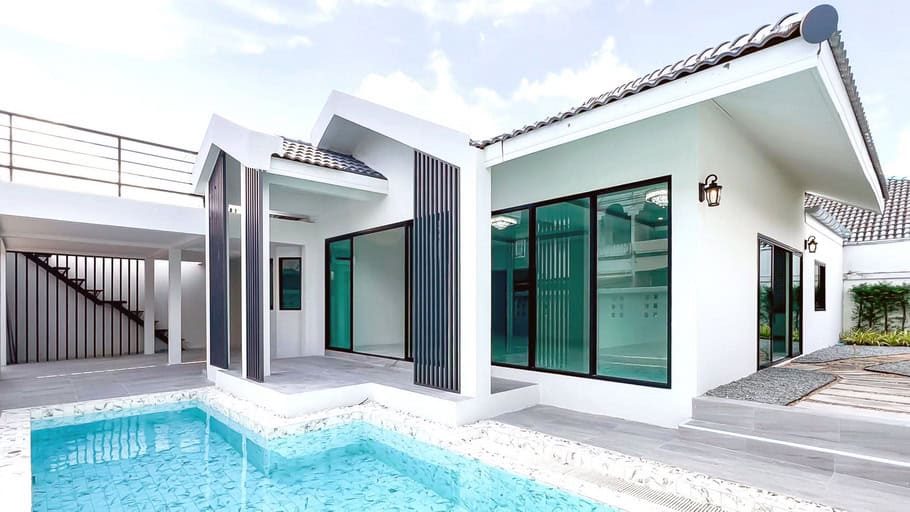
Luxury properties and villas with sea views in places such as Surin or Nai Harn command significantly higher prices—often 60,000 THB and above monthly. These rentals include modern designs, private pools, and access to exclusive communities. Such homes cater to expats or retirees with generous budgets who prioritize comfort and exclusivity.
Short-term rentals remain an option for digital nomads or seasonal workers. Monthly serviced apartments and Airbnb units average 25,000–40,000 THB, often inclusive of utilities and furniture. However, landlords may charge higher rates during peak tourist seasons, particularly from November to February.
Utility costs also vary with property type. Electricity and water typically add 2,000–4,000 THB per month, especially if heavy air conditioning use is common. Internet plans and mobile services are affordable, with high-speed packages costing about 700–1,000 THB mensual.
For those who invest time to explore local rental listings, there are always bargains to be found. Engaging directly with Thai property owners or using local Facebook groups can lead to better deals than relying solely on agency listings.
Daily Food, Dining, and Grocery Expenses
Food expenses in Phuket vary dramatically based on how and where you eat. Street food and local Thai restaurants remain the cheapest and most authentic options. A typical local meal ranges from 50 to 100 THB, allowing residents to enjoy flavorful dishes daily without overspending. Fresh fruit, grilled seafood, and noodle dishes are widely available in markets across the island.
Supermarket groceries, however, can quickly add up, particularly when buying imported goods or Western products. A basic grocery bill for one person averages around 5,000–8,000 THB monthly, mainly for staples like rice, vegetables, meats, and snacks. Those who rely heavily on imported cheeses, cereals, or wines can easily double that amount.

Dining out in mid-range or international restaurants costs more but provides variety. Expect to pay 300–600 THB per person for Western or fusion cuisine. Frequent eating in tourist districts like Patong or Bang Tao will inevitably push the food budget higher, while local markets and night bazaars help keep it under control.
Cooking at home offers a cost-effective solution for long-term residents. With affordable produce and seafood readily available, preparing meals can cut dining expenses by up to half. Many expats blend eating out with home cooking to balance time, convenience, and budget.
Beverages also contribute notably to expenses. While local coffee costs about 60–100 THB, imported craft coffees or drinks in trendy cafés can be 150 THB or more. Alcohol carries a premium; local beers are reasonable, but imported wines are relatively expensive due to taxes.
Overall, adjusting eating habits to local standards is the most effective way to save money on food in Phuket. Embracing Thai cuisine not only lowers costs but also enhances the cultural experience of living on the island.
Transportation Costs and Commuting Options
Transportation costs in Phuket depend greatly on personal preference and lifestyle. Owning a motorbike remains the most popular and economical choice for both locals and expats. Monthly costs including fuel, maintenance, and occasional parking fees typically run around 1,500–3,000 THB. Motorbikes offer convenience and flexibility for navigating the island’s winding roads.
Car rentals or ownership are increasingly popular among families or long-term residents who desire comfort or safety during rainy seasons. A small car rental costs 15,000–20,000 THB per month, while owning a vehicle includes additional expenses like insurance, taxes, and maintenance averaging 3,000–5,000 THB monthly.
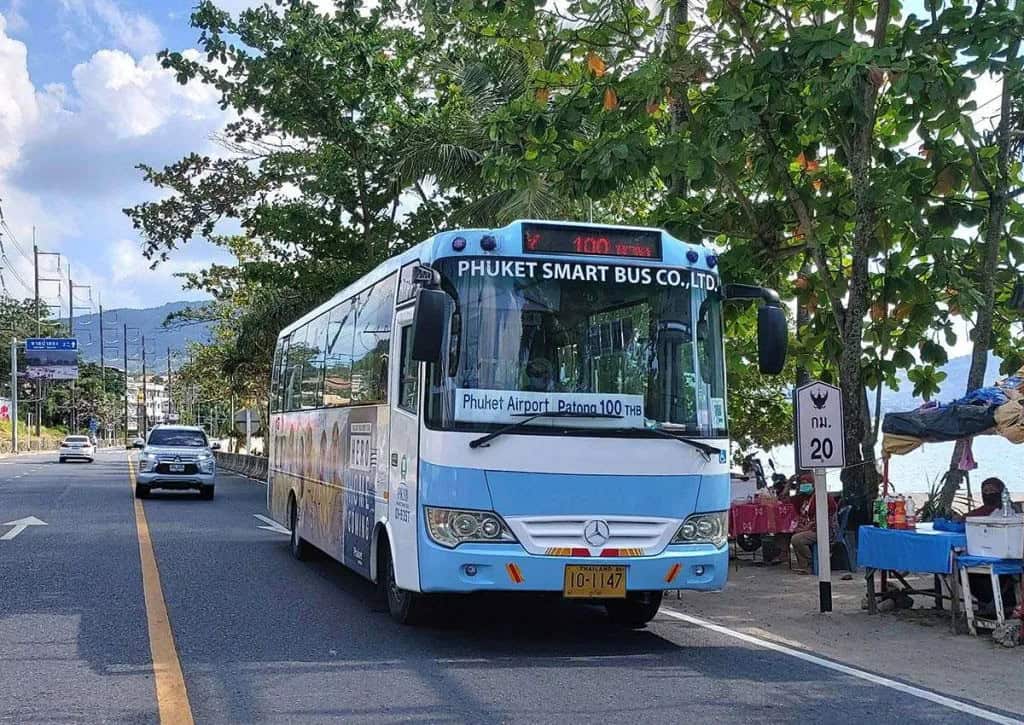
Public transportation in Phuket has improved slightly by 2026 but remains limited compared to major cities. Songthaews (shared trucks), local buses, and motorbike taxis offer short-distance travel at affordable rates, usually 30–100 THB per ride. However, schedules can be inconsistent, making them less reliable for daily commuting.
Ride-hailing platforms such as Grab continue to be widely used, especially for short trips or nights out. Prices are higher than public transport but still reasonable, averaging 100–200 THB per short ride. For those who commute to workspaces or beaches daily, these costs can accumulate quickly.
Cycling has gained mild popularity in flat areas with better infrastructure like Cherngtalay, though tropical weather often limits widespread use. Walking remains convenient only in compact neighborhoods due to Phuket’s geography and road design.
In essence, a balanced transportation budget in Phuket depends on mobility needs. Choosing a motorbike for routine travel while using Grab or taxis for longer distances provides the most cost-effective combination for 2026.
Tips to Save Money While Living in Phuket
Living affordably in Phuket is entirely achievable with mindful spending. The first key is to adapt to the local lifestyle—eat Thai food, use local markets, and learn basic Thai. Doing so not only deepens your experience but also reduces costs significantly, particularly when negotiating prices or avoiding tourist surcharges.
Long-term rentals provide major savings compared to monthly or short-term leases. Landlords often offer significant discounts for six-month or yearly contracts, especially outside high-demand tourist areas. Choosing slightly inland neighborhoods can save thousands of baht each month without sacrificing convenience.
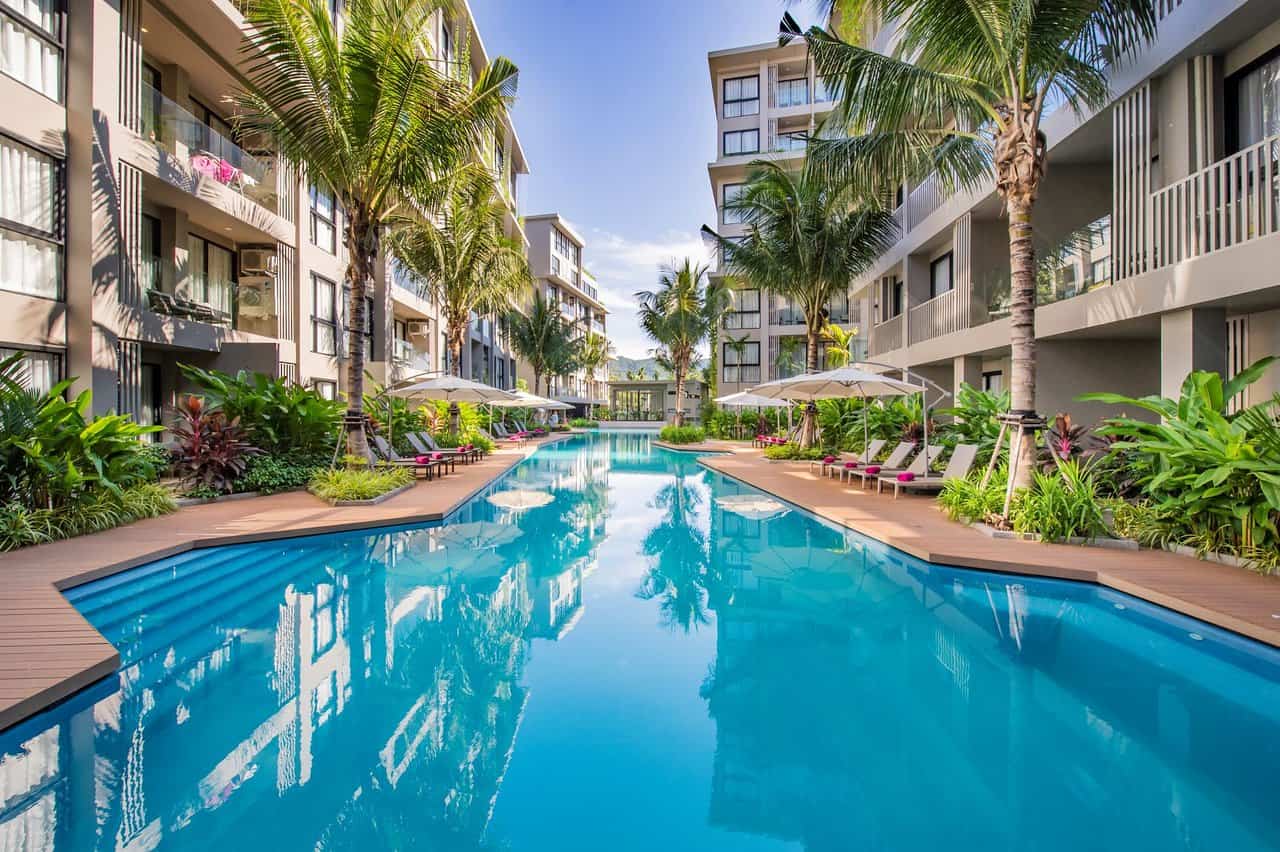
Transportation choices impact monthly budgets the most after rent. Owning a motorbike is almost always cheaper than relying on daily taxis or Grab rides. Those uncomfortable with driving can still lower costs by organizing shared rides or staying in walkable areas.
When it comes to utilities, moderate air-conditioning use and installing energy-efficient lighting make a noticeable difference. Many new residents underestimate electricity costs, particularly in coastal properties. Simple habits, like turning off cooling systems when not home, can keep bills lower.
Shopping locally is another easy cost-control strategy. Markets in Phuket Town and Chalong often offer fresh produce at half the price of supermarket chains. Similarly, local restaurants and food stalls serve delicious meals for a fraction of the tourist rate.
Por fin, embracing Thai banking, mobile apps, and promotions can help track expenses more efficiently. Digital wallets and local discount programs frequently provide cashback or reduced service fees. With a bit of organization, expats can enjoy the beauty and comfort of Phuket while maintaining financial balance.
Vivir en Phuket in 2026 combines tropical charm with a flexible cost of living that fits a wide variety of budgets. While some expenses like rent and fuel have risen, everyday essentials and local experiences remain accessible. The key lies in understanding personal priorities and adapting to local rhythms. Whether you envision a quiet seaside retirement, a remote working base, or a dynamic island adventure, Phuket offers a rewarding lifestyle backed by solid affordability. By budgeting smartly and embracing the local way of life, living on this paradise island remains not only possible but deeply fulfilling.



 English (UK)
  العربية
  简体中文
简体中文  Nederlands
  Français
  Deutsch
  Italiano
  Español
  ไทย
ไทย