Navigating Phuket’s Property Market: A Foreigner’s Guide to Ownership

Summary10 min read
Foreign buyers in Phuket can own condominium units within legal foreign quotas, but direct land ownership is generally prohibited. Villas and land-based homes usually require leasehold structures or carefully reviewed alternatives, making independent legal advice essential. Buyers should also assess location, financing, taxes, due diligence, rental rules and ongoing management costs before committing.
DigestKey takeaways
- Foreigners can generally own freehold condos, subject to the building’s foreign ownership quota.
- Land or villa purchases usually rely on leasehold structures, commonly involving 30-year terms.
- Verify title deeds, developer history and contracts through an independent Thai property lawyer.
- Budget for transfer fees, taxes, maintenance charges and possible property management costs.
- Check local rental rules before relying on short-term letting income.
Understanding Thailand’s Property Ownership Laws
Foreign ownership of property in Thailand is a subject surrounded by both intrigue and complexity. Contrary to popular belief, foreigners cannot own land directly in their names under Thai law. The Thai Land Code restricts land ownership to Thai nationals, with few exceptions granted by the government under specific circumstances. This means that while foreigners can purchase condominiums outright, buying land or villas built on land comes with additional structures and legal nuances. One of the most accessible legal avenues for foreigners is owning a condominium unit. Thai law allows a condominium building to be up to 49% owned by foreigners, with the remaining 51% held by Thai nationals. This cap ensures compliance with national ownership ratios, giving foreign buyers outright ownership in their name, along with a separate title deed. It’s a relatively straightforward process compared to land ownership. Another route some explore involves setting up a Thai company to hold the land. However, the Thai government has tightened regulations around this practice, particularly when it’s used solely for property ownership. Authorities closely scrutinize “nominee shareholder” arrangements, which can expose buyers to legal risk if the company isn’t operating as a legitimate business. Therefore, careful legal consultation is vital before considering this path. Foreigners can also lease land on a long-term basis, typically for 30 years, with possible renewal clauses. This leasehold option allows buyers to enjoy the property without breaching ownership laws, though it comes with limitations such as renewal uncertainty and restrictions on significant alterations without the landlord’s consent. Understanding these caveats early in the purchasing process helps manage long-term expectations. Historically, some foreigners have pursued marriage to Thai nationals as a means of owning property jointly. Yet, even in such cases, the Thai partner must declare that the funds used for the purchase are solely theirs. This precaution prevents indirect foreign ownership and protects national land ownership integrity. For all these reasons, navigating property laws in Thailand demands patience, professional guidance, and full transparency. In summary, foreigners have multiple pathways to acquire property in Phuket, each with its own legal framework. The safest and most common approach is buying a condominium within foreign ownership quotas or leasing land with properly structured contracts. A thorough understanding of these frameworks forms the foundation for a smooth and legitimate property acquisition journey.Exploring the Most Sought-After Areas in Phuket
Phuket’s property landscape is incredibly diverse, offering everything from luxury oceanfront villas to modest hillside apartments. For those looking for a mix of convenience and beauty, Patong Beach remains a popular option. Known for its vibrant nightlife and bustling tourism, Patong offers a variety of condominiums with strong rental potential. However, those seeking peace and exclusivity often gravitate to quieter regions. Kata and Karon, just south of Patong, are ideal for families and retirees looking for a laid-back beach vibe. These neighborhoods boast beautiful sandy beaches and a good mix of restaurants, shops, and international schools. Properties here range from mid-range condos to luxury hillside villas, with commanding sea views that attract long-term residents and investors alike. For a more upscale lifestyle, Surin and Bang Tao are often referred to as Phuket’s “Millionaires’ Mile.” These areas feature high-end resorts, chic beach clubs, and gated villa communities. Laguna Phuket, in particular, is a major attraction, blending residential luxury with access to golf courses, marinas, and wellness centers—ideal for those seeking community and convenience. Heading north, Mai Khao and Nai Yang appeal to investors focused on serenity and long-term growth potential. With the expansion of the airport and improved infrastructure, these areas are seeing increased interest from developers. The slower pace and proximity to natural parks make them appealing for buyers seeking privacy and nature. Meanwhile, the Phuket Town area is gaining traction among younger investors and digital nomads. Offering a balance of affordability and vibrant local culture, it blends historical charm with modern development. Trendy cafes, art galleries, and boutique condominiums are making this urban center more appealing for those uninterested in beachside living but keen on Phuket’s lifestyle. Ultimately, where you choose to buy depends on your lifestyle goals—whether they lean toward lively beaches, family living, or long-term investment growth. Phuket’s diversity ensures that every type of buyer can find a suitable niche, provided they understand the dynamics and long-term prospects of each area.Choosing Between Leasehold and Freehold Options
The leasehold versus freehold decision is one of the most critical for foreign buyers in Phuket. Simply put, freehold grants ownership of the property and the land it sits on (in the case of condos, the unit itself), whereas leasehold provides rights to use the property for a fixed term. Understanding how both work in practice will profoundly affect your investment outlook and peace of mind. A freehold condominium is the most straightforward ownership structure for foreigners. With proper title and compliance under the 49% foreign ownership rule, buyers hold the title indefinitely, making it akin to full ownership. It’s often the preferred option for those planning long-term stays or who want maximum control over their property. On the other hand, leasehold properties are commonly used when purchasing villas or land-based homes. Typically structured as renewable 30-year leases, they legally grant the lessee occupancy rights but not land ownership. Renewal clauses can be negotiated but aren’t guaranteed, as renewals depend on the goodwill of the landowner or the terms established in the original contract. Savvy investors sometimes combine leasehold and freehold structures—for instance, buying condominium units as freehold investments while leasing land for villa construction. This approach provides both investment diversity and flexibility. Still, every contract must be meticulously vetted to ensure compliance with Thai property laws and enforceability in case of dispute. It’s essential to factor in succession and resale limitations. Leasehold properties cannot always be easily resold at market value compared to freehold ones, and inheritance rights may be more complex. Some investors mitigate this by owning the lease through a company or including renewal rights explicitly in the contract to enhance stability. In deciding between leasehold and freehold, your long-term intent—whether as a vacation homeowner, investor, or retiree—should drive the choice. Each structure carries unique advantages and trade-offs, making professional legal guidance and strategic planning crucial for protecting your interests.Key Legal Steps Before Signing Any Property Deal
Purchasing property in a foreign country is never a simple task, and due diligence is paramount. The first step is to verify property ownership and title deeds at the local Land Office. A valid Chanote title (the highest land title in Thailand) ensures the property is properly registered and free from boundary or encroachment issues, protecting your investment from future disputes. Next, it’s vital to engage an independent Thai property lawyer—one not affiliated with the seller or developer. Your lawyer will review purchase agreements, confirm ownership legitimacy, and identify any legal red flags. They can also translate contracts, ensuring you fully comprehend clauses related to payment schedules, completion terms, and shared maintenance fees. The buyer’s due diligence process extends to background checks on developers in off-plan projects. Understanding a developer’s track record, delivery history, and financial stability helps avoid construction delays or unfinished projects. Visiting the site personally or hiring an independent inspector can further verify quality and compliance with construction standards. Once satisfied, both parties typically sign a Sales and Purchase Agreement (SPA). This contract should clearly outline pricing, payment schedules, transfer fees, and handover procedures. For condominiums, foreign buyers will also need to obtain a Foreign Exchange Transaction Form (FETF) to prove funds were transferred from abroad in foreign currency—an essential step for registering ownership at the Land Office. At completion, the property transfer occurs at the Land Office, where taxes and transfer fees are paid. Ensure all payments, including government fees and withholding taxes, are transparently recorded. Having your lawyer or agent present during this final step ensures all paperwork is handled correctly and legally. In short, the legal process in Thailand rewards meticulous preparation. Taking shortcuts or overlooking due diligence might save time initially, but it can result in severe complications later. A detailed, professional approach ensures your Phuket property purchase remains both secure and rewarding.Financing and Tax Considerations for Foreign Buyers
While some foreigners purchase property outright with personal savings, others seek financing options to make ownership more accessible. Thai banks traditionally limit lending to foreigners, but select institutions—especially international banks—offer mortgage solutions tailored for expatriates. These loans often require substantial down payments, proof of foreign income, and, in some cases, a Thai guarantor. Alternatively, some buyers secure developer financing, particularly for off-plan condominium projects. Developers may offer installment payment plans extending until construction completion. Although interest-free during the development phase, this arrangement often converts to full payment before the title transfer, making effective budgeting crucial from the outset. Taxes and fees are another significant consideration. Key expenses include transfer fees (2% of the appraised value), withholding tax, and specific business tax or stamp duty, depending on how long the seller has owned the property. Foreigners should factor these into their total acquisition cost to avoid surprises at closing. Rental income from Phuket properties is taxable in Thailand. The applicable tax rate depends on the ownership structure and income level, but foreign owners must also consider double taxation agreements (DTAs) between Thailand and their home country to avoid being taxed twice. Consulting a tax professional familiar with Thai and international regulations is strongly advised. Additionally, annual property maintenance and community fees should not be overlooked. Condominium owners often contribute monthly fees toward upkeep of shared areas, while villa owners may face private maintenance or management expenses. These ongoing costs play an important role in determining real net returns on investment. Ultimately, while financial regulations might seem intricate at first glance, understanding these costs and compliance steps ensures smoother ownership. Planning ahead and maintaining legal transparency with local and international authorities helps protect both your assets and your peace of mind.Tips for Long-Term Property Management and Investment
Once you’ve acquired your dream property in Phuket, the next step involves managing and potentially monetizing it effectively. Many foreign owners hire professional property management companies to handle day-to-day operations, including tenant management, maintenance, and bill payments. This is especially advantageous for absentee owners who reside outside Thailand for much of the year. For investors looking to maximize returns, Phuket’s strong tourism market makes short-term rentals an appealing option. However, it is essential to understand local regulations—short-term rentals in certain zones may require specific licensing or operate only within designated developments. Compliance prevents costly penalties and ensures a positive reputation with local authorities. Maintaining the property’s condition is crucial for sustaining long-term value. Regular maintenance, timely repairs, and preventive inspections on plumbing, electricity, and roofs help preserve structural quality. Engaging reputable contractors and obtaining clear billing agreements avoids misunderstandings and keeps budgets on track. Owners should also plan for insurance coverage, including property damage, liability, and optional rental income protection. Phuket’s climate, with heavy monsoon seasons, makes comprehensive coverage indispensable. This proactive step can significantly reduce financial risks from unforeseen events. For those viewing property ownership as a long-term investment, continuously monitoring market trends helps guide future decisions. Phuket’s property market fluctuates with global tourism cycles, infrastructure developments, and foreign policy shifts. Staying informed through professional advisors or market reports allows owners to adapt strategically—be it selling, refinancing, or expanding portfolios. Finally, building good relationships with local communities and neighbors creates mutual respect and smoother management experiences. Understanding cultural norms and investing responsibly within the community enhances both personal satisfaction and property reputation—turning ownership in Phuket into more than just a financial investment but a lifestyle commitment.Owning property in Phuket can be one of the most rewarding experiences for foreigners seeking tropical comfort, profitable investment, or retirement bliss. Yet success in this journey hinges on understanding Thailand’s ownership laws, carefully selecting property types, and proceeding with meticulous legal and financial planning. By aligning with reliable legal, financial, and real estate professionals, foreign buyers can avoid common pitfalls and secure a piece of paradise with confidence. With preparation and patience, Phuket’s vibrant property market offers not just a dream home but an enduring investment in the island’s promising future.

Featured
For Sale
฿98M
Ayara Villa | Sea View Luxury Villa in Surin, Phuket
Ayara Villa | Sea View Luxury Villa in Surin, Phuket Ayara Villa 5A is a re ...


Featured
For Sale
฿465.5M
Baan Banyan | Iconic Sea View Estate on Kamala Headland, Phuket
Baan Banyan | Iconic Sea View Estate on Kamala Headland, Phuket Baan Banyan ...

Featured
For Sale
฿21.9M
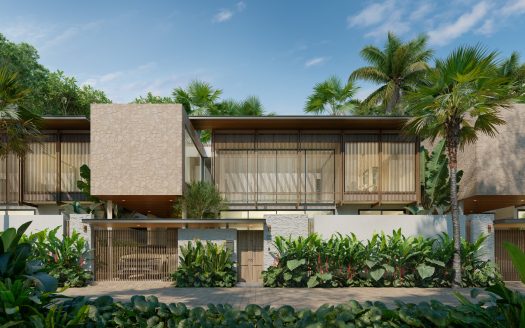
Luxury Pool Villas in Pasak Soi 8, Cherng Talay (Bang Tao), Phuket
Luxury Pool Villas in Pasak Soi 8, Cherng Talay (Bang Tao), Phuket Set in o ...
Featured
For Sale
Hot Offer
฿18.9M
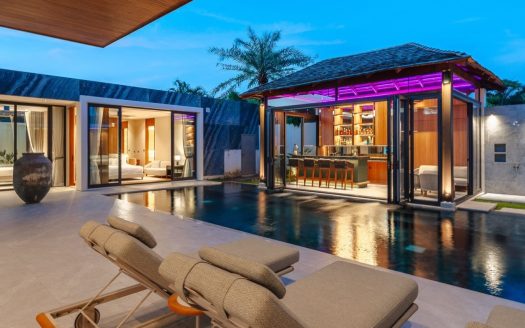
Luxury Pool Villas in Pasak Soi 8, Cherng Talay (Bang Tao), Phuket
Luxury Pool Villas in Pasak Soi 8, Cherng Talay (Bang Tao), Phuket Set in o ...
Featured
For Sale
Available Now
฿47.9M
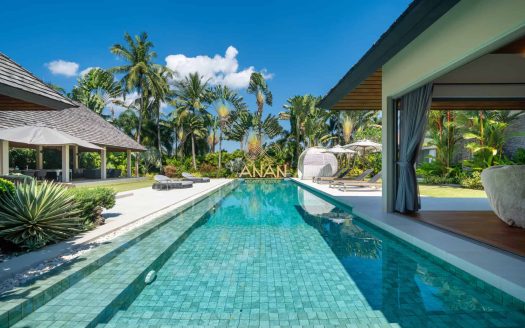
Final Two Luxury Pool Villas in Bang Tao | Ready to Move In
Final Two Luxury Pool Villas in Bang Tao | Ready to Move In These are the f ...
Featured
For Sale
Available Now
฿119.5M
Ultra-Luxury 4-Bedroom Layan Hill Estate with Cinema & Gym near He...
Luxury 4-Bedroom Pool Villa near Layan Beach, Phuket This exceptional 4-bed ...
Related reading