
How to Buy Property in Patong: A Phuket Investor’s Guide
Patong is not the quietest corner of Phuket. It is the busiest, the most visited, and the one that tourists return to year after year, regardless of how many alternatives the island develops. For investors who understand what drives rental income, that relentless footfall is precisely the point. This guide covers what it actually takes to buy property in Patong: the legal structures available to foreign buyers, the realistic numbers on yields and prices, the purchase process from first offer to title transfer, and the honest trade-offs investors should weigh before committing.
Why Patong Attracts Property Investors
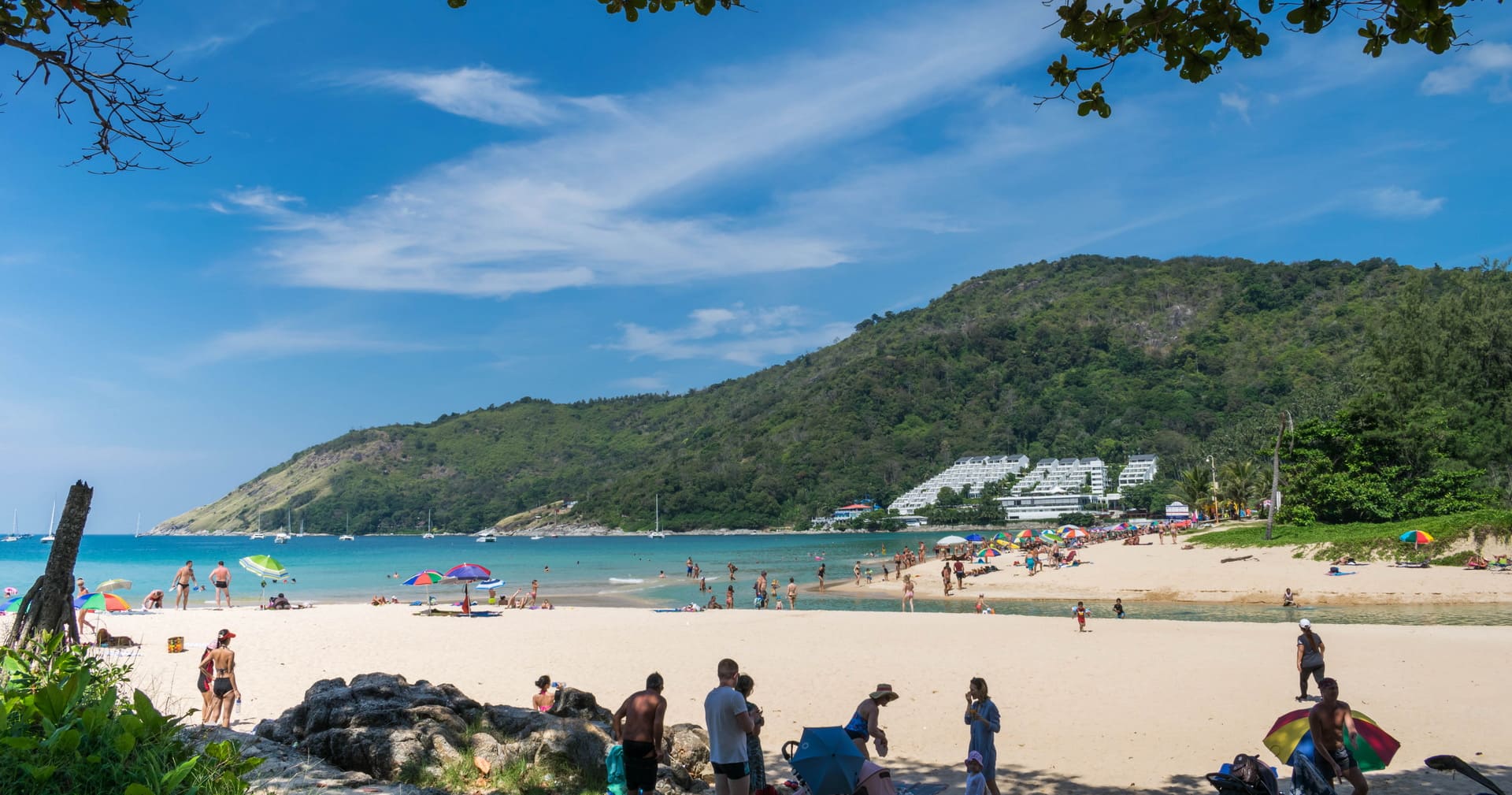
Patong sits on Phuket’s west coast in a natural amphitheatre formed by forested hills on three sides and Patong Bay facing the Andaman Sea. The 3-kilometre beach draws more visitors than any other spot on the island, and that concentration of demand has made it Phuket’s most active short-term rental zone for over two decades. Phuket International Airport processed 19.7 million passengers in 2024, according to data cited by Knight Frank Thailand, and a second international airport is now in planning. Much of that traffic funnels directly into Patong and the surrounding strip.
What makes Patong stand out as an investment zone is not luxury. It is volume. The area supports rental demand year-round rather than purely in high season, which gives investors a more predictable occupancy base than many other Phuket locations. Studios and one-bedroom condos with professional management achieve annual occupancy of 65 to 70%, with high-season rates of THB 1,500 to THB 2,500 per night and gross yields of 7 to 9%, according to market tracking through 2025 and 2026. That is a credible yield profile for a mass-market tourism address. To explore available stock in the area, our Phuket condos and apartments listing page shows current inventory across the island, including Patong and the wider Kathu district.
What You Can Buy in Patong
Condominiums
Condominiums are the primary product in Patong and the entry point most foreign buyers use. A studio of 30 to 35 sqm is priced from around THB 3.5 million to THB 5 million (approximately USD 100,000 to USD 140,000). One-bedroom units of 40 to 50 sqm typically range from THB 5 million to THB 10 million depending on floor level, view, and the quality of the project’s facilities and rental management programme.
Newer developments on Patong’s hillside sub-market command higher prices but offer sea views and a quieter setting that separates them from the central strip. Branded management has become an increasingly important factor in this segment: professionally run projects deliver better occupancy data and are more straightforward for buyers to underwrite.
Villas and Landed Property
Freestanding villas exist in Patong, but they are rare relative to the condo stock and are concentrated on the hillside approaches to the town. Prices start from around THB 15 million for smaller properties and rise sharply for sea-view or fully serviced homes. The legal structure for villa ownership is different from condos and is covered in the foreign ownership section below. Buyers interested in landed property in this area will find the for sale listings at Anan the most practical starting point for understanding what is currently on the market.
Rental Yields and Market Reality
| Patong delivers some of the strongest short-stay occupancy rates in Phuket. But it is also the island’s most competitive rental market. A single studio competes against hundreds of nearly identical listings. Professional management is not optional here; it is the difference between a 7% gross yield and a 4% net yield. |
Gross rental yield for condos in Patong in 2026 runs 7 to 9%, with net yield settling at 4 to 5.5% after management fees (typically 20 to 30% of revenue), utilities, common-area charges, and taxes. That gap between gross and net is wider than in less competitive areas because management intensity is higher and turnover costs are high. Short-term rentals in Patong generate strong rates in high season (November through April), but occupancy can compress to 40 to 55% in the May to October low season, which affects annual averages.
One further consideration that every investor must verify before purchase: short-term rental enforcement has tightened across Thailand since late 2023. Condominiums where the juristic management body or building developer has not secured the appropriate hotel-class licence can face restrictions on platforms like Airbnb and Booking.com. Always confirm the rental legal status of any specific building before committing to a purchase.
| Metric | Studio (Patong) | 1-Bed (Patong) | Note |
| Entry price (THB) | 3.5M to 5M | 5M to 10M | 2026 market range |
| Nightly rate (high season) | THB 1,500 to 2,500 | THB 2,000 to 4,000 | Well-managed units |
| Annual occupancy | 65 to 70% | 60 to 70% | Year-round demand |
| Gross yield | 7 to 9% | 6 to 8% | Before expenses |
| Net yield (est.) | 4 to 5.5% | 4 to 6% | After mgmt, tax, HOA |
For investors whose primary goal is maximising return on a smaller budget, an honest comparison with other Phuket zones is worth reading. Our article on Phuket rental yields in 2026 sets out which areas deliver the best net ROI and why location selection matters more than the property itself.
The Legal Framework for Foreign Buyers
Freehold Condo Ownership
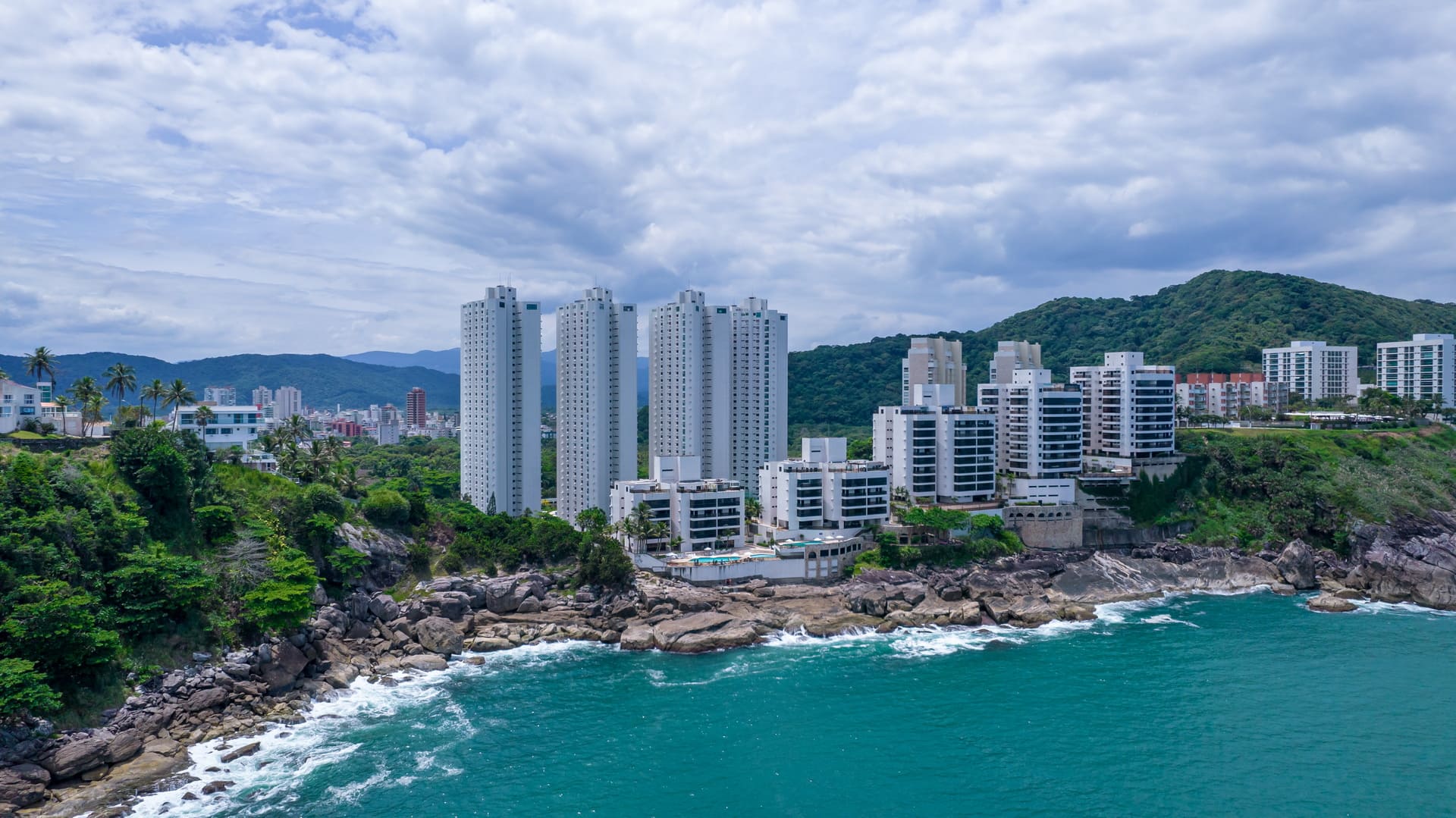
Under Thailand’s Condominium Act, foreign nationals can own condominium units on a freehold basis provided the total foreign ownership in any individual building does not exceed 49% of the total saleable area. This is the simplest, cleanest title structure available to foreign buyers and the one that most Patong investors use. The title document you receive is a Chanote (Nor Sor 4 Jor), the highest-grade land title in Thailand, registered in your name at the Land Department.
It is important to verify the remaining foreign quota in any building before making an offer. Quota fills in popular projects and it is not always advertised clearly by sellers. An independent property lawyer checks this as part of due diligence, a step covered in detail in our guide to understanding foreign ownership of property in Thailand.
Leasehold and Company Structures for Villas
Foreign nationals cannot own land in Thailand directly. For villas and landed property, the two principal routes are a registered leasehold and a Thai company structure. A leasehold is registered at the Land Department for an initial 30-year term, with extension clauses typically structured as two further 30-year periods (the 30+30+30 arrangement). Following a 2025 Thai Supreme Court reaffirmation, extension clauses are treated as contractual rights rather than guaranteed property rights, so the quality of the underlying developer or lessor matters considerably in the leasehold choice.
A Thai company limited structure gives the buyer voting control over a company that holds the land title. This structure has been used extensively across Phuket but has also attracted greater regulatory scrutiny. The Anan team provides frank guidance on which structure is appropriate for each buyer’s situation through our buyer’s agent service.
The Buying Process Step by Step
The purchase sequence in Thailand is relatively standardised, though timelines vary depending on whether the property is resale or off-plan and whether the buyer is financing or purchasing outright.
- Define your investment goal. Short-stay rental income, long-term capital appreciation, or personal use each pushes toward different property types and building choices. Patong’s strengths are in the short-stay category.
- Select a property and agree heads of terms. In practice, a written letter of intent or draft term sheet documents the agreed price and any conditions before moving to contract stage.
- Instruct an independent Thai property lawyer. Not the developer’s lawyer: an independent one. They conduct title searches, verify the foreign ownership quota, check building permits, and review all contractual documentation.
- Sign the sale and purchase agreement. This is the binding contract. It will set out the payment schedule, completion date, default provisions, and any representations from the seller.
- Transfer funds from overseas to Thailand. Foreign buyers purchasing freehold condos must bring purchase funds into Thailand as foreign currency and obtain a Foreign Exchange Transaction Form (FETF) from their receiving Thai bank. This document is required by the Land Department to register foreign freehold condo ownership.
- Complete at the Land Department. Both buyer and seller (or their representatives) attend. Transfer tax and government fees are paid at this point. The title is reissued in the buyer’s name.
The full due diligence workflow is covered in our step-by-step guide for foreign investors buying Phuket property, which includes a checklist of documents to obtain before any contract is signed.
Costs to Budget Beyond the Purchase Price
Thailand’s transaction costs are lower than most Western property markets, but they are not trivial. Budget accordingly:
| Cost | Rate / Notes |
| Transfer fee | 2% of the registered value (often split 50/50 with seller) |
| Specific business tax (SBT) | 3.3% of appraised or sale price if seller has held less than 5 years |
| Stamp duty | 0.5% — applies only when SBT is not charged |
| Withholding tax | Paid by seller; based on appraised value and ownership duration |
| Legal fees | THB 30,000 to THB 80,000 is typical for independent due diligence |
| Annual maintenance fees (HOA) | THB 40 to THB 120 per sqm per month, depending on the development |
| Property management | 20 to 30% of gross rental revenue for short-stay management |
Patong vs. Other Phuket Investment Zones
Patong’s yield profile makes sense in context. It is Phuket’s highest-volume short-stay market, but the price-to-rent ratio in the core of the town runs higher than in areas like Bang Tao, Laguna, or Nai Harn, meaning yield compression is a genuine risk if you overpay for the address. The competitive pressure is also real: a well-located studio competes against hundreds of similar units on OTA platforms, which is why professional management and building quality matter as much as location within Patong itself.
Buyers who want rental yield combined with stronger capital appreciation or lifestyle appeal tend to look at Bangtao-Laguna and the northwest corridor. For buyers whose primary objective is income from a straightforward, lower-entry property, Patong remains a rational choice, provided the building and management are chosen carefully. Our Phuket property investment returns page gives a broader picture of how different areas compare across the key investment metrics.
What to Do Before You Sign Anything
Investors who have done their homework in Patong consistently flag the same pre-purchase checklist:
- Verify the foreign ownership quota remaining in any specific building, in writing, from the Land Department or the juristic office.
- Confirm the building’s short-term rental status. Ask to see the relevant hotel licence, TAT certification, or juristic body resolution that permits Airbnb and similar platforms.
- Model the net yield, not the gross. Apply a 20 to 30% management cost, realistic low-season occupancy of 40 to 55%, and annual maintenance before deciding whether the price is justified.
- Instruct an independent lawyer before signing any reservation agreement or deposit contract. A deposit paid before due diligence is completed is a deposit at risk.
- Obtain the FETF (Foreign Exchange Transaction Form) at the point of inward remittance. Without it, the freehold condo title cannot be registered in a foreign buyer’s name at the Land Department.
The Anan Property Group team provides independent buyers’ agency support across Phuket, including Patong and the wider Kathu district. If you are at the research stage and would like to understand current availability, recent transaction prices, and which buildings are performing well for investors, our Phuket buying guide is the right starting point, or you can contact the Anan team directly for a more specific conversation about your investment goals.